Athletes within elite gymnastics circles are exhibiting concerning signs of physical distress, with warnings highlighting prevalent issues of malnourishment and excessive training loads. This critical juncture raises stark questions about the sustainability and ethics of current training methodologies, impacting athletes' health on a profound level.
The Silent Toll on Female Athletes' Health
Female gymnasts, in particular, face a disturbing lack of attention to fundamental aspects of their well-being, specifically their menstrual health. For many, the absence of regular menstrual cycles has become an almost normalized experience, with first periods arriving significantly later than average. This is directly linked to Relative Energy Deficiency in Sport (RED-S), a condition arising from an energy imbalance where caloric expenditure vastly outweighs intake.
Kiroi-Bogatyreva reported her first period at 19.
Harriet Brown, an ironwoman, noted that over her 15-year career, no one inquired about her menstrual cycle.
Similar percentages of athletes stated their training programs did not account for menstrual cycles.
This oversight suggests a systemic disregard for how these physiological processes are intertwined with athletic performance and overall health, painting a grim picture of women's health education and consideration within the sport.
Read More: Sam Kerr equals Chelsea scoring record in final game May 2026
The Relentless Grind: Training Over Recovery
The pressure to perform at peak levels within the demanding world of gymnastics often sidelines crucial recovery periods, both physical and mental. Athletes are pushed to their limits, with recovery strategies often taking a backseat to the next grueling training session.
"How do gymnasts recover physically and mentally from tough training regimes? And then if you're in that situation, you feel like you've already been through it."
Ellie Black, Aleah Finnegan, Jordan Chiles, and Melanie de Jesus dos Santos have spoken about balancing rigorous training with the necessity of recovery to maintain readiness.
Georgia-Mae Fenton highlighted the importance of even short breaks before major competitions, emphasizing the mental resilience required to process performance and prepare for subsequent events.
This relentless cycle, while aimed at achieving athletic excellence, appears to be fostering an environment where athletes push through significant discomfort and injury.
When the Body Breaks: Pushing Through Pain
Incidents of gymnasts being forced to train while seriously ill or injured are emerging as a critical indictment of the sport's prevailing culture. These situations underscore a potentially abusive environment where the pursuit of victory overshadows athlete welfare.
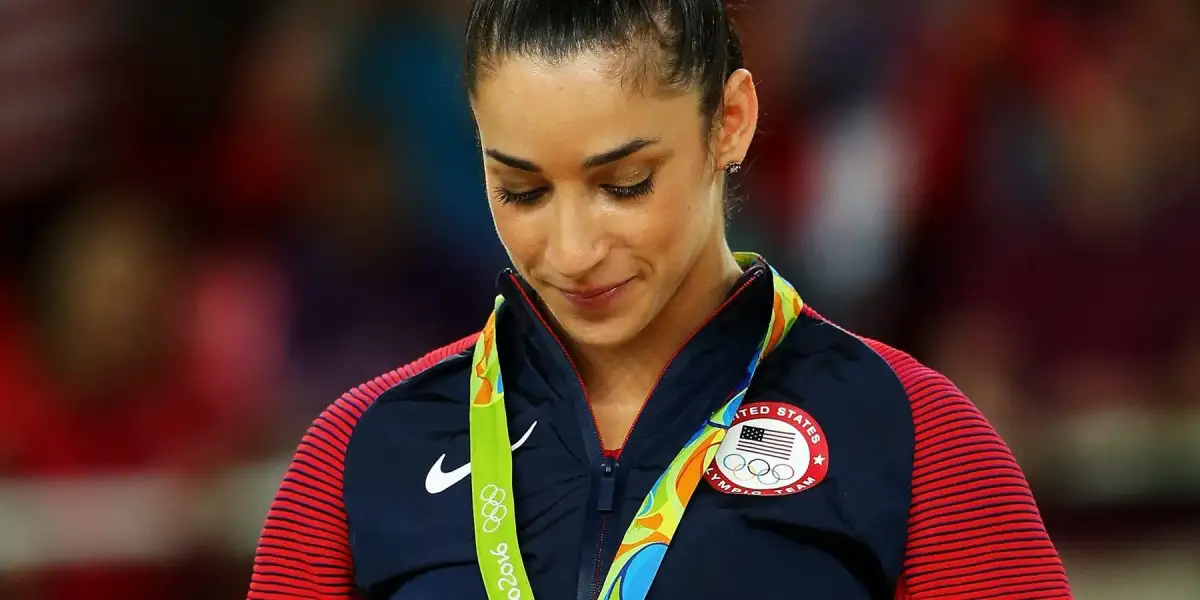
Aly Raisman, a former US gymnast, has spoken out about being compelled to train while suffering from the stomach flu, enduring vomiting throughout the night.
Raisman has characterized USA Gymnastics as "rotten from the inside out," indicating deep-seated issues within the organization.
The accounts suggest a pattern of athletes competing on broken bones or fractured backs, a testament to the extreme pressures faced.
This culture of enduring pain raises profound ethical concerns regarding athlete exploitation and the accountability of governing bodies.
The Double-Edged Sword of Physical Conditioning
The dedication required for elite gymnastics necessitates a precise approach to nutrition and physical conditioning. While peak performance depends on specific dietary components, the pursuit of leanness can, paradoxically, lead to detrimental deficiencies.
Read More: Price Utah stomach sickness cluster prompts health probe
Protein is vital for muscle repair and growth.
Fats, often misunderstood, are crucial for hormone production and sustained energy.
Nutritional timing, with specific pre- and post-workout meal strategies, is key to optimizing energy levels and recovery.
However, the line between optimal fueling and harmful caloric restriction appears perilously thin in practice, leading to the widespread malnourishment observed.
Underlying Risks: Injury and the Demands of the Sport
Gymnastics, by its very nature, is an injury-prone discipline. The complex and high-impact movements inherent to the sport place athletes at constant risk.
Common injuries include fractures (particularly in wrists), herniated discs, finger and hand injuries, and cartilage damage.
Severe injuries like ACL tears and dislocations require immediate medical intervention.
Preventative measures, such as rigorous adherence to proper technique taught by experienced coaches, are essential but are clearly insufficient to counteract the overarching pressures of overtraining and under-fueling. The ongoing 'Olympic Games Updates' reveal a landscape where controversies and athlete news are constant, underscoring the persistent focus on competition above all else.