

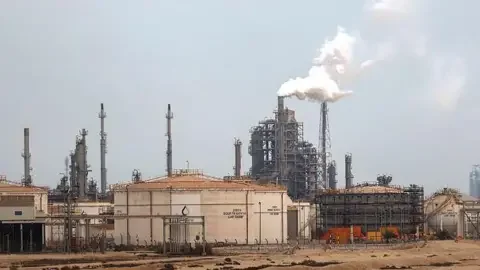
Oil prices have surged following pronouncements from Qatar's energy minister, who indicated that Gulf energy producers may cease operations within days. This warning comes amid escalating conflict in the Middle East, which has already disrupted key shipping lanes and forced Qatar's state energy firm to halt Liquefied Natural Gas (LNG) production.
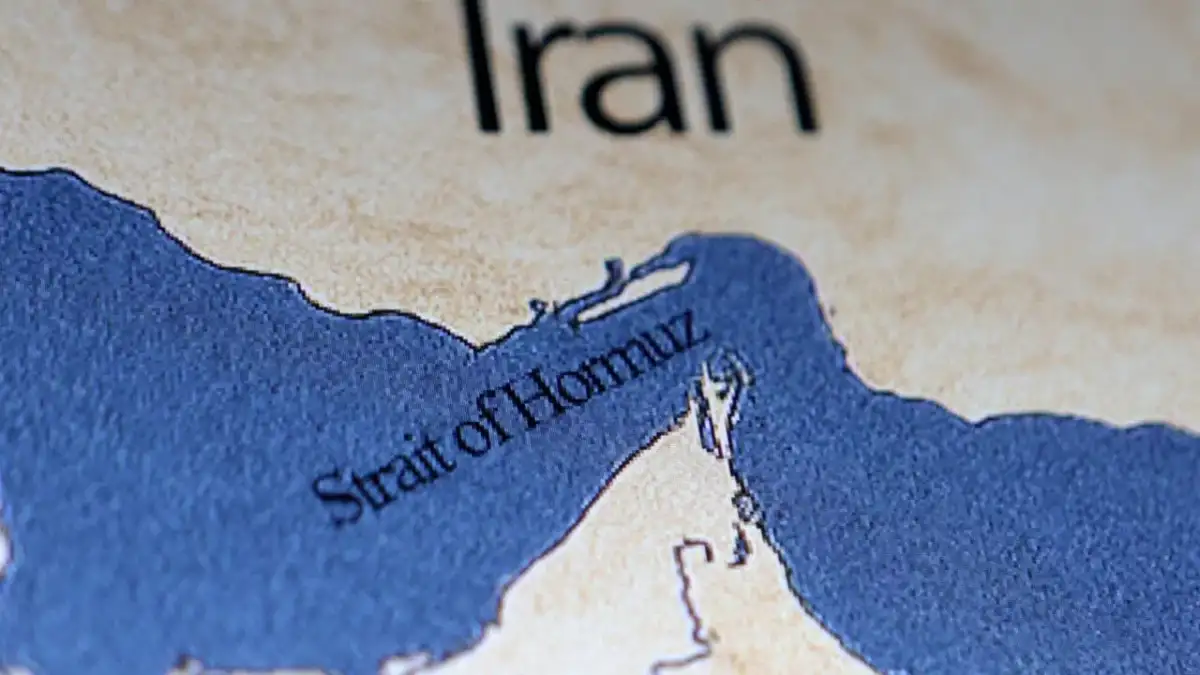
The potential for widespread production halts across the Gulf region, a critical hub for global energy, has sent shockwaves through oil markets, with prices reacting sharply to the perceived threat of supply disruption. Analysts point to the Strait of Hormuz, through which approximately a fifth of the world's daily oil supply normally transits, as a focal point of concern. Even indirect threats to this vital artery are expected to inflate the cost of oil and its transportation.
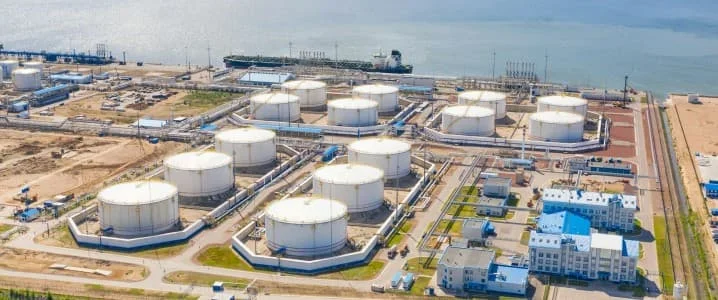
Production Halts and Force Majeure Declarations
The immediate catalyst for this grim outlook appears to be a drone strike on Ras Laffan Industrial City, Qatar's primary LNG export facility. Following this attack and the subsequent halting of tanker traffic through the Strait of Hormuz, QatarEnergy declared 'force majeure', a contractual clause that frees parties from liability when extraordinary events prevent fulfillment of obligations. This declaration was extended to buyers of the company's LNG.
Read More: Great Britain Energy Bills Drop April 1st But Toaster Costs Still High
Qatar’s energy minister, Saad al-Kaabi, who also heads QatarEnergy, stated that all major oil and gas exporters in the Middle East are poised to make similar 'force majeure' declarations within days if the Strait of Hormuz remains effectively closed to tanker traffic. This warning underscores the interconnectedness of regional energy infrastructure and the broad implications of ongoing hostilities.
Broader Economic Repercussions
Beyond crude oil and natural gas, the Gulf region is a significant exporter of petrochemicals and fertilizer materials, essential components for various global industries. The prolonged disruption of these exports, alongside crude and LNG, threatens to trigger a major global energy crisis and destabilize world economies. Experts have cautioned that such a scenario could lead to severe supply shortages and a dramatic increase in energy prices, with some projecting oil prices could reach $150 per barrel.
Read More: Ankara seeks wider security pact with Egypt, Saudi Arabia, Pakistan
Regional Impacts and Storage Concerns
In a related development, Kuwait, a founding member of OPEC, has reportedly begun shutting down production at some of its oilfields. This action is attributed to a lack of available storage capacity, a direct consequence of the standstill in the Strait of Hormuz. With tankers unable to navigate the waterway, the accumulation of unsold oil becomes a logistical and financial challenge for producers. Qatar’s own production halt is contingent on a complete cessation of hostilities, highlighting the deep uncertainty surrounding the duration and resolution of the current conflict.


:max_bytes(150000):strip_icc():focal(749x0:751x2)/ayatollah-ali-khamenei-030926-1-35238c3c9a484125aa95ac665d7cbc9c.jpg)


