Extended Work Hours and Night Shifts for Women Now Legal in Gujarat
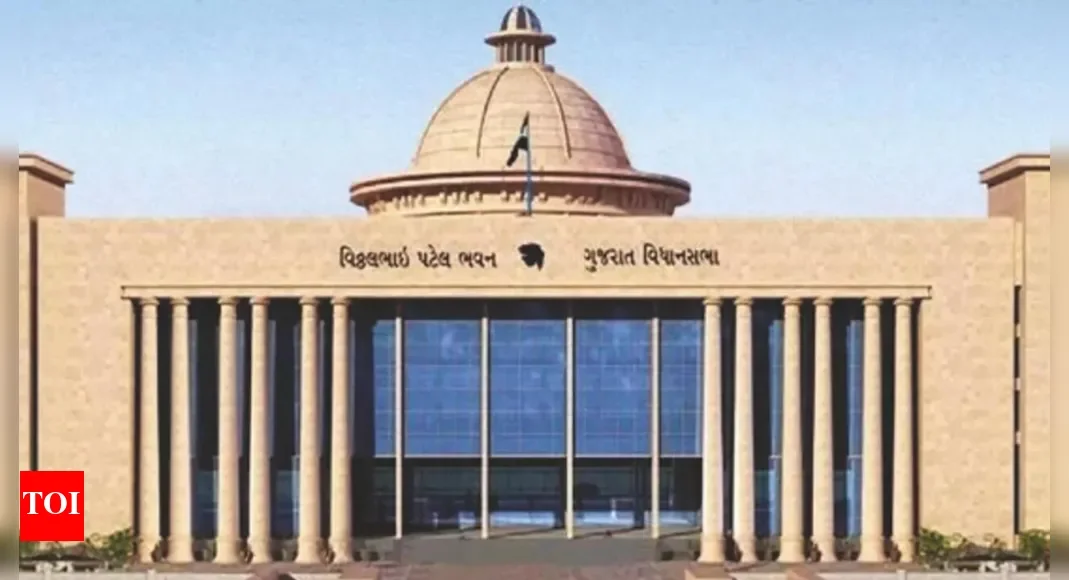
The state of Gujarat has enacted new legislation that permits longer daily work shifts and allows women to work during night hours. The move, approved by the Gujarat Legislative Assembly, aims to potentially boost job creation and enhance working conditions. However, the changes have ignited discussion, with some groups expressing concerns about the impact on worker welfare.
Legislative Changes Detailed
The Gujarat Assembly passed an amendment bill on September 10, 2025, that modifies existing labor laws. Key provisions include:
Extended Daily Hours: The maximum daily working hours have been increased from nine to 12 hours, a change that includes designated break times.
Overtime Allowance: The limit for overtime hours in any quarter (three months) has been raised from 125 to 144 hours.
Women in Night Shifts: The bill permits women to work night shifts between 9 pm and 6 am. This provision is contingent upon employers ensuring their safety, dignity, and protection from sexual harassment. Specific facilities such as rest rooms, night creches, and separate toilets are mandated. Employers must also provide transportation for women working these shifts.
Weekly Hour Cap: Despite the extended daily hours, the total number of working hours in a week remains capped at 48 hours.
Overtime Pay: Workers undertaking overtime beyond 12 hours daily or on paid holidays are entitled to wages at twice their ordinary rate.
Rotational Holidays: Workers completing 48 hours in four 12-hour shifts may be eligible for three paid days off, introducing a potential for more flexible scheduling.
The amendment bill replaces an ordinance that was issued in July 2025. Several other Indian states, including Andhra Pradesh, Goa, and Jharkhand, have implemented similar changes to their labor laws concerning extended work hours and night shifts for women.
Points of Contention and Support
The legislative changes have been met with varied reactions:
Proponents' Argument: Supporters contend that these amendments are necessary for Gujarat, a major industrial hub, to maintain international competitiveness. They highlight the aim of improving work conditions and creating more job opportunities. The provision for extended hours and night shifts is framed as a measure to enhance flexibility in the labor market.
Opposition and Concerns: The Congress and Aam Aadmi Party (AAP) have voiced opposition to the bill. Concerns have been raised that the longer workdays could negatively affect workers' health due to insufficient sleep. Questions have been posed regarding whether workers or unions initiated these demands, and whether the "consent clause" for women working night shifts holds genuine meaning if there is implicit pressure to accept such conditions due to job security fears. The extended work hours are seen by some as a "dangerous rollback of labor rights."
Overtime Limits and Regulations
The revised regulations on overtime are as follows:
| Feature | Previous Limit | New Limit | Notes |
|---|---|---|---|
| Overtime per Quarter | 125 hours | 144 hours | Replaces earlier 125-hour limit as per Article 1, though other articles state 75 to 125. |
| Weekly Work Hours Cap | 48 hours | 48 hours | Remains consistent across provisions. |
| Overtime Pay Rate | Not specified | Double | For work exceeding 12 hours daily or on paid holidays. |
| Break During Work | Not specified | 30 minutes | Mandatory after six continuous hours of work. |
Analysis of Evidence
The presented data indicates a legislative shift in Gujarat aimed at modernizing labor regulations. The extension of daily work hours to 12 and the inclusion of women in night shifts are significant departures from previous norms. The legislation attempts to balance increased work flexibility with worker protections, mandating safety measures and providing for increased overtime pay.
Read More: Karnataka Gig Worker Fee Delay Asked By Industry Groups Due To Unclear Plans

However, the efficacy of these protections, particularly for women in night shifts, remains a point of inquiry. The assertion that total weekly hours remain capped at 48 offers a framework, but the practical implications of a 12-hour workday on worker fatigue and overall well-being are a subject of ongoing debate, as highlighted by the opposition parties. The discrepancies in stated overtime limits across the articles (125 hours vs. 75 to 125 hours) warrant clarification for a precise understanding of regulatory changes.
Conclusion
The Gujarat Assembly's passage of the Factories (Gujarat Amendment) Bill, 2025, introduces substantial changes to daily working hours and the employment of women in night shifts. While the stated intentions focus on economic competitiveness and job creation, the legislation has drawn criticism regarding potential impacts on worker health and rights.
The legal framework now permits a 12-hour workday and night shifts for women, with mandated safety protocols.
The 48-hour weekly cap remains, alongside increased overtime allowances and enhanced pay for overtime work.
Opposition parties have raised significant concerns about worker welfare and the potential for exploitation under the new laws.
Further observation will be necessary to assess the real-world implementation of these regulations and their long-term effects on both the workforce and the industrial landscape of Gujarat.
Read More: Gujarat High Court orders Surat to rebuild homes demolished in Nasirnagar
Sources:
Deccan Chronicle: Gujarat Passes Bill Allowing 10-Hour Workdays. (2025, September 11). https://www.deccanchronicle.com/nation/current-affairs/gujarat-passes-bill-allowing-10-hour-workdays-1937892
News18: Gujarat’s 12-Hour Workday Law: Is It Reform Or Worker Exploitation? Explained. (2025, September 11). https://www.news18.com/india/gujarats-12-hour-workday-law-is-it-reform-or-worker-exploitation-explained-shil-ws-el-9565286.html
The Hindu BusinessLine: Gujarat passes Factories Bill allowing 12-hour shifts, women’s night work with safeguards. (2025, September 10). https://www.thehindubusinessline.com/news/national/gujarat-clears-bill-for-longer-shifts-higher-overtime-and-3-day-weekly-leave-under-48-hour-cap/article70033537.ece
The Times of India: Gujarat Assembly passes bill: Industrial work hours extended to 12 per day; women allowed night shifts | Ahmedabad News. (2025, September 11). https://timesofindia.indiatimes.com/city/ahmedabad/gujarat-assembly-passes-bill-allowing-women-to-work-night-shifts/articleshow/123815463.cms
Deccan Herald: Gujarat Assembly: Bill Passed to Extend Industrial Shifts to 12 Hours, Allows Women Night Shifts. (2025, September 10). https://www.deccanherald.com/india/gujarat/gujarat-assembly-passes-bill-increasing-daily-industrial-shift-timings-to-12-hours-3721323
Global Education News: Gujarat Assembly Passes Factories (Amendment) Bill 2025: 12-Hour Shifts and Night Work for Women. (n.d.). https://globaleducationnews.org/gujarat-assembly-passes-factories-amendment-bill-2025-12-hour-shifts-and-night-work-for-women/
news.gujarat.in: Gujarat Government Changes Factory Act: Work Hours Extended to 12 Hours. (2025, July 3). https://news.gujarat.in/gujarat-government-changes-factory-act-work-hours-extended-to-12-hours/
The Economic Times: Gujarat assembly passes bill increasing daily industrial shift timings to 12 hrs. (2025, September 11). https://hr.economictimes.indiatimes.com/news/industry/gujarat-assembly-passes-bill-increasing-daily-industrial-shift-timings-to-12-hrs/123830025