
The air in Vapi, Gujarat, thickens not just with industrial haze, but with a chilling pattern of negligence. Barely has the dust settled from past industrial calamities, when Cynax Metachem factory in Sarigam town reports another gas leak. Four individuals, including the company owner Vinod Patel, are now in hospital, nursing ailments from a mysterious release of fumes. This incident, unfolding with alarming regularity in Gujarat's industrial belts, screams for more than just official platitudes and cursory investigations. What is it about these chemical factories that they continue to spew danger, and why are the consequences consistently borne by the workers and the local populace?
A Familiar Nightmare in Gujarat's Industrial Heartlands
Gujarat, a state that proudly touts its industrial prowess, has a shadow hanging over its factories – the pervasive threat of toxic gas leaks. The incident at Cynax Metachem is not an isolated event; it's another chapter in a disturbing narrative.
Read More: India IVF Costs And Social Barriers Limit Access In April 2026

February 6, 2026: A gas leak at Cynax Metachem in Sarigam, Vapi, leads to four hospitalisations, including the owner, due to eye irritation. The exact nature of the gas remains unidentified.
December 29, 2024: In Dahej, Bharuch, a chemical plant experiences a gas leak, tragically resulting in the deaths of four workers. The company claimed they received medical care but couldn't be saved.
October 27, 2024: A textile dyeing and printing unit in Narol, Ahmedabad, witnesses a deadly gas leak. The reaction between sulfuric acid and caustic soda releases toxic fumes, killing two labourers and leaving four critically injured. A preliminary inquiry pointed to factory owner negligence.
December 26, 2023: In Vadodara's Nandesari GIDC area, a pharmaceutical factory's pipeline rupture leads to a toxic gas leak. Four workers are hospitalised with uneasiness, but their condition stabilises.
December 26, 2023: Another report from Vadodara, same day, details a toxic gas leak from a pharmaceutical factory pipeline, hospitalising four workers. The leak originated from a damaged pipe.
"The incident was reported from Sarigam town, an Industrial Notified Area," stated officials regarding the Cynax Metachem leak, adding, "The local police have launched a probe."
This repeated occurrence begs the question: Are these "probes" merely a perfunctory exercise, or do they lead to concrete action and systemic change?
The Unidentified Threat: A Recurring Mystery
One of the most alarming aspects of the Cynax Metachem incident is the official admission that the "exact nature of the gas released… is yet to be identified." This statement is not just a detail; it's a glaring red flag. How can authorities investigate and prevent future occurrences if the very substance causing harm remains unknown?
Lack of Transparency: The ambiguity surrounding the gas identity suggests a potential lack of proper safety protocols, chemical inventory management, or immediate on-site testing capabilities.
Risk Assessment: Without knowing the specific gas, it's impossible to conduct a thorough risk assessment for the surrounding community and environment. What are the long-term health implications? What are the environmental consequences?
Preventive Measures: Effective preventive measures and emergency response strategies are gas-specific. If the identity is unknown, how can the company and authorities prepare for future leaks of the same nature?
The repeated inability to immediately identify the leaked gas points to a critical gap in industrial safety preparedness and immediate response mechanisms in Gujarat's chemical sector.
From Eye Irritation to Fatal Fumes: A Spectrum of Disaster
The consequences of these leaks vary, from minor irritations to fatalities, highlighting the volatile nature of chemical manufacturing and the potential for catastrophic failure.

Cynax Metachem (Feb 2026): Primarily eye irritation, leading to hospitalisation.
Ahmedabad Textile Unit (Oct 2024): Deadly fumes from a chemical reaction, resulting in two deaths and four critical injuries.
Dahej Chemical Plant (Dec 2024): Inhaling toxic fumes leading to four worker fatalities.
Vadodara Pharma Factory (Dec 2023): Uneasiness and hospitalisation, with stable conditions, suggesting potentially less potent or lower concentration leaks.
"When the workers were transferring sulfuric acid from a tanker into another container, it came into contact with caustic soda stored there. This led to a reaction that released deadly fumes," explained Om Jadeja, divisional fire officer, in the Ahmedabad incident.
This specific incident underscores a critical point: human error or procedural failure can trigger devastating chemical reactions. How rigorously are standard operating procedures (SOPs) being implemented and monitored in these factories, especially concerning the handling and storage of reactive chemicals?
Read More: Gujarat High Court orders Surat to rebuild homes demolished in Nasirnagar
The Human Cost: Who is Truly Accountable?
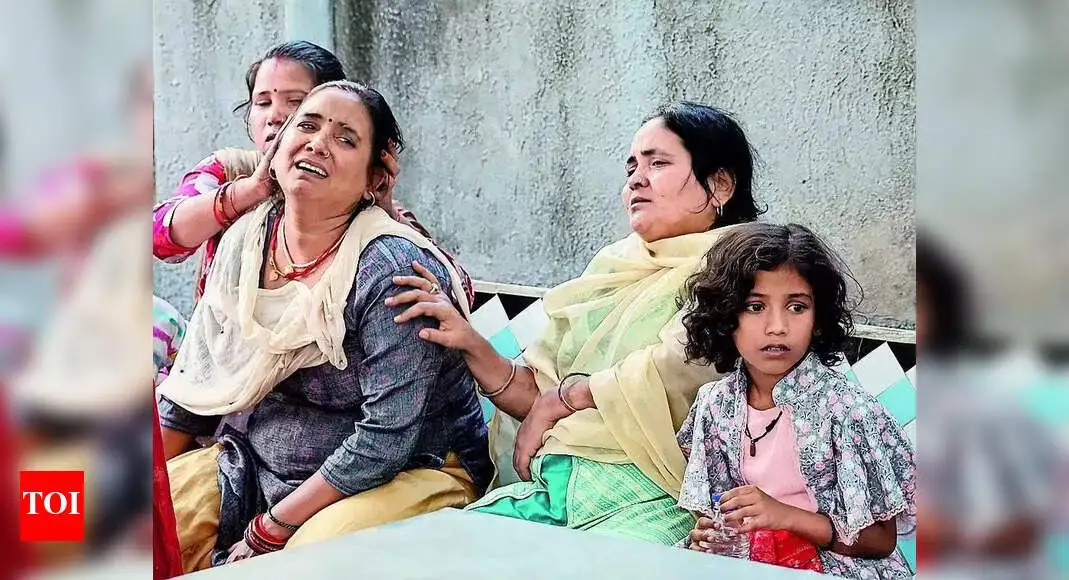
While authorities may "launch probes" and companies may offer condolences or compensation, the ultimate price is paid by the workers and their families. The repeated nature of these incidents suggests a systemic failure to hold accountable those truly responsible.
| Incident Location | Date | Fatalities | Critically Injured | Primary Cause (Reported) | Accountability Status (Reported) |
|---|---|---|---|---|---|
| Sarigam (Cynax Metachem) | Feb 6, 2026 | 4 (Hospitalised) | Gas leak from reactor (nature of gas unknown) | Police probe launched | |
| Dahej | Dec 29, 2024 | 4 | N/A | Toxic gas leak at chemical plant | Company offered support to deceased workers' families |
| Narol, Ahmedabad | Oct 27, 2024 | 2 | 4 | Reaction between sulfuric acid and caustic soda | Preliminary inquiry indicated owner negligence |
| Vadodara | Dec 26, 2023 | 4 (Hospitalised) | Toxic gas leak from pipeline | N/A | |
| Vadodara | Dec 26, 2023 | 4 (Hospitalised) | Toxic gas leak from damaged pipe | N/A |
Owner Negligence: In the Ahmedabad incident, a preliminary inquiry pointed to the factory owner's negligence. However, what tangible consequences followed this "preliminary inquiry"? Was the owner held responsible?
Worker Welfare: The Dahej incident saw three of the four dead workers from other states. This raises concerns about the vulnerability of migrant workers, who may be less likely to voice safety concerns or have access to adequate support systems.
Regulatory Oversight: Are Gujarat's pollution control boards and industrial safety inspectorates adequately staffed, funded, and empowered to conduct regular, unannounced inspections and enforce stringent safety norms? What mechanisms are in place to ensure that identified lapses are rectified, and repeat offenders face severe penalties, not just probes?
The cycle of gas leaks and subsequent investigations, often without clear punitive action against those found negligent, perpetuates a dangerous environment for industrial workers and surrounding communities.
The Path Forward: Beyond Reactive Measures
The recent incident at Cynax Metachem is a stark reminder that reactive measures are insufficient. Gujarat needs to move from a cycle of accidents and inquiries to a proactive, robust safety framework.
Read More: Tamil Cinema Loses K. Bhagyaraj and Bharathiraja, Ending An Era
Mandatory Real-time Monitoring: Implement and enforce mandatory real-time monitoring systems for gas emissions in all chemical factories, with data accessible to regulatory bodies.
Independent Safety Audits: Conduct frequent, unannounced, and independent safety audits, beyond self-reporting by companies.
Strengthen Enforcement: Empower regulatory bodies with the authority to impose heavy fines, suspend operations, and prosecute individuals found negligent. A conviction should lead to severe penalties, not just temporary shutdowns.
Public Disclosure: Make incident reports, investigation findings, and corrective actions publicly accessible. Transparency builds accountability.
Worker Empowerment: Establish clear channels for workers to report safety concerns without fear of reprisal and ensure their voices are heard in safety reviews.
Emergency Preparedness: Ensure comprehensive emergency response plans are in place, regularly drilled, and effectively coordinated with local authorities, focusing on rapid identification of leaked substances and appropriate mitigation strategies.
The recurring gas leaks in Gujarat are not just industrial accidents; they are indictments of a system that appears to prioritise industrial growth over human lives and environmental safety. It is time for a fundamental shift, where prevention, rigorous enforcement, and genuine accountability become the cornerstones of industrial operations. Will Vapi, or any other industrial town in Gujarat, have to witness another tragedy before a genuine transformation occurs?
Sources:
The Hindu: https://www.thehindu.com/news/national/gujarat/gas-leak-at-cynax-metachem-factory-in-vapi-gujarat/article70599614.ece
The Tribune: https://www.tribuneindia.com/news/india/4-hospitalised-after-gas-leak-at-factory-in-gujarats-vapi/
ABP Live: https://news.abplive.com/states/gujarat-news-vadodara-pharma-factory-toxic-gas-leak-4-workers-hospitalised-vadodara-police-deaths-1652517
Times of India: https://timesofindia.indiatimes.com/india/two-labourers-killed-4-critical-after-gas-leak-in-gujarat-factory/articleshow/114665821.cms
NDTV: https://www.ndtv.com/india-news/4-workers-die-after-inhaling-toxic-gas-at-chemical-plant-in-gujarat-7358313
The Daily Jagran: https://www.thedailyjagran.com/india/gujarat-vadodara-factory-gas-leak-workers-hospitalised-after-incident-in-vadodara-injuries-casualties-death-toll-latest-news-updates-10122968