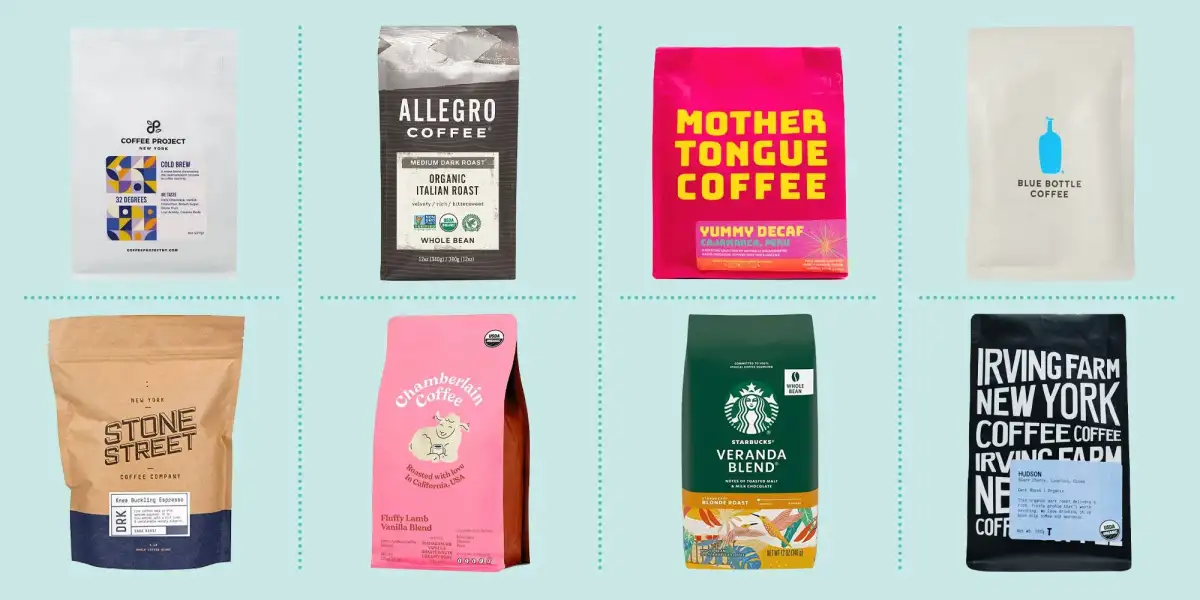
A significant number of recent reports—spanning from late 2023 through 2026—attempt to dissect the offerings of the common supermarket coffee aisle. Amidst a sea of pre-packaged grounds and whole beans, certain brands and types emerge repeatedly, suggesting a persistent, if not particularly groundbreaking, consumer preference for accessible caffeine. The quest, it seems, is less about exotic discovery and more about reliable daily ritual.

Key contenders appearing across multiple reviews for consistent quality and widespread availability include Café Bustelo, a long-standing fixture, and Peet's Coffee—specifically their House Blend and Big Bang varieties. These are frequently cited for their dependable flavor profiles, suitable for black coffee drinkers or those seeking a robust, familiar taste. Caribou Coffee Daybreak Blend also earns mention, particularly within a Midwestern context.

The pursuit of "the best" often circles back to fundamental aspects of coffee preparation. While the bags themselves might come from the grocery store, the outcome hinges on user practice.Several analyses highlight the importance of grinding beans just before brewing, contrasting this with the diminished quality of pre-ground options. Proper storage of beans is also presented as a critical, often overlooked, factor in maintaining freshness. Furthermore, the ratio of coffee to water is emphasized as a direct determinant of brew strength and flavor, a variable easily manipulated by the consumer.
Read More: King Arthur Cafe Site Becomes Tino Bistro in Late April

Beyond these practicalities, a spectrum of consumer preferences drives selection. For those prioritizing health or seeking a less aggressive palate, LifeBoost Organic Coffee is flagged as a smooth, low-acid choice. Conversely, for a more intense experience, Koffee Kult's Dark Roast is noted for its complex flavor. Medium roasts, such as those found in Lavazza Crema E Aroma or Stumptown Coffee Roasters' Holler Mountain, are often recommended for a balanced profile. Other brands like San Francisco Bay (Fog Chaser) and Counter Culture Coffee (Big Trouble) also appear in discussions of favored dark roasts.
The sheer volume of beans tested—one report details a trial of over 100 different coffees by a team of editors and kitchen experts—underscores a dedicated effort to find signals within the noise of mass-market coffee. This testing often involves multiple brewing methods, including espresso, French press, and drip, suggesting a broad application for the recommended beans. The context is invariably the home kitchen, positioning these grocery store finds as integral components of daily domestic routines.
Read More: Home Devices Use Power When Off, Costing You Money
Historically, specific regional associations, like the use of chicory in New Orleans coffee culture, sometimes surface. However, the contemporary discourse appears largely divorced from such specific cultural narratives, focusing instead on the inherent qualities of the bean itself—its roast level, flavor profile, caffeine content, and overall brewing performance. The underlying message is that while the provenance of the beans might be mundane, the act of brewing and the subsequent enjoyment can still be a considered practice.