:max_bytes(150000):strip_icc()/GettyImages-523375044-a691eb6771f04821bc7530ea16cd4766.jpg)
Recent publications across various platforms indicate a growing discourse around hosting, emphasizing a move away from meticulous perfection and towards fostering genuine connection. The underlying sentiment suggests that hosts who prioritize authentic interactions over flawless execution create more enjoyable experiences for both themselves and their guests.
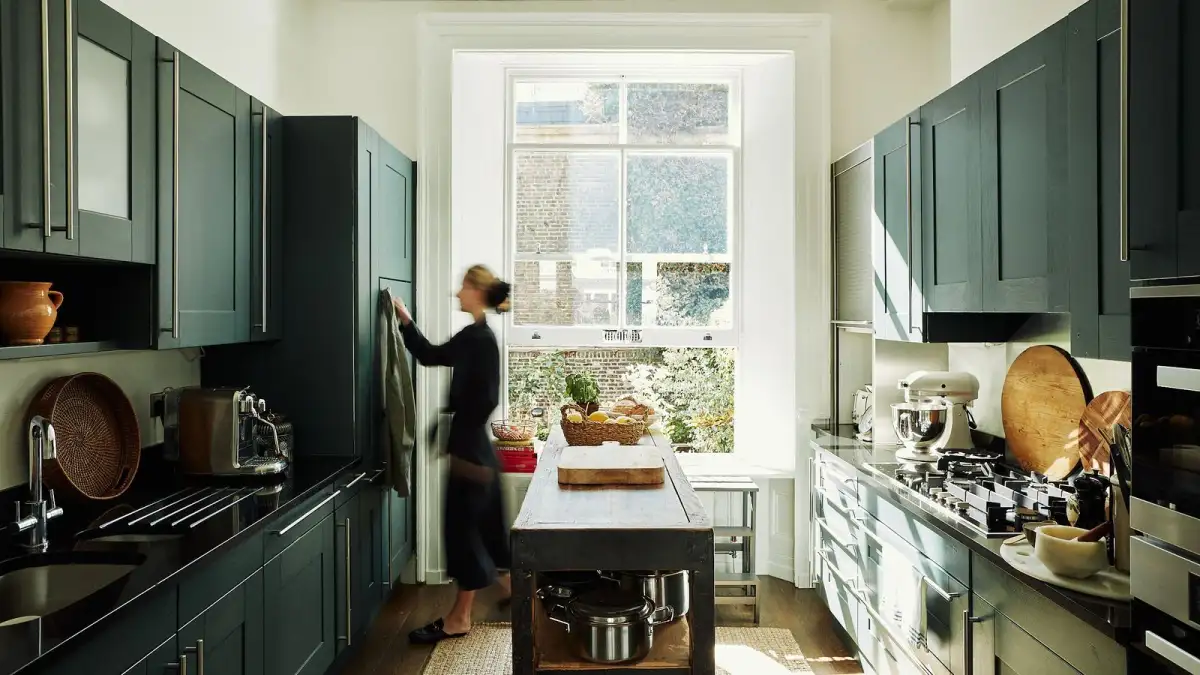
The core argument presented is that guests attend gatherings primarily for the host and the shared experience, not for a perfectly curated environment. This realization appears to be a recurring theme, encouraging hosts to embrace imperfection and focus on making people feel welcomed and valued.

Rethinking the Host's Role
Multiple sources underscore that the host's own demeanor sets the tone for the entire event. When a host feels relaxed and is enjoying themselves, this perceived ease often translates to the guests, fostering a more comfortable and spontaneous atmosphere. This shifts the focus from the host being the sole orchestrator of perfection to being a participant in the collective enjoyment.
Read More: What guests notice when entering your home in April 2026

Focus on Feeling: Instead of agonizing over minute details like garnish or floor cleanliness, attention should be directed toward how guests feel. This includes making them feel a sense of belonging and ensuring they remember the positive emotional experience.
Self-Permitted Imperfection: Giving oneself permission to be less than perfect can paradoxically put guests at ease. The anxiety often associated with hosting stems from an internal pressure for an unattainable ideal.
Sustainable and Simple Approaches: Practical strategies are highlighted, such as simplifying preparations, opting for manageable menus, and even utilizing kid-friendly or sustainable serveware to reduce the burden on the host.
Practical Strategies for Ease
The advice frequently circles back to actionable steps that reduce the pressure on the host.
Start Small: Hosting doesn't require elaborate events. Meaningful gatherings can be achieved through smaller, less intimidating setups.
Accept Help: The idea of accepting assistance from guests is presented not as a sign of inadequacy, but as a practical way to alleviate pressure and foster a collaborative spirit.
Planning with Intention: While spontaneity is encouraged, a degree of preparation is deemed crucial. This involves creating timelines, simplifying tasks, and planning with the guests' comfort and the overall sensory experience in mind.
Mindset Shift: A fundamental change in perspective is advocated. This involves recognizing that guests are there for the host, not for a flawless performance, and that their presence is, in itself, sufficient.
Background on "Guest Stress Syndrome"
The concept of "guest stress syndrome" is referenced, framing the anxieties many experience when entertaining. This syndrome is often managed by reframing the meaning of hosting and understanding that occasional imperfections are human. Some sources even posit that a degree of stress, when managed, can be instrumental in ensuring guests actually have a good time, countering the notion of a completely "stress-free" event as potentially leading to a less engaging experience.
The emphasis across these reports, published primarily between late 2023 and early 2025, suggests a collective societal reevaluation of social gatherings, prioritizing genuine human connection and the host's well-being over the pursuit of an often elusive, flawless event.