:max_bytes(150000):strip_icc()/VWH-GettyImages-1417470172-46eb542ef4214241bdf5c09811368d09.jpg)
A subtle yet persistent shift is underway in how mornings begin. The once-dominant coffee cup finds itself increasingly challenged by a burgeoning array of alternative beverages. These new contenders, often rooted in natural ingredients and functional benefits, promise sustained energy, metabolic support, and a gentler start to the day, bypassing the perceived drawbacks of coffee's potent jolt.
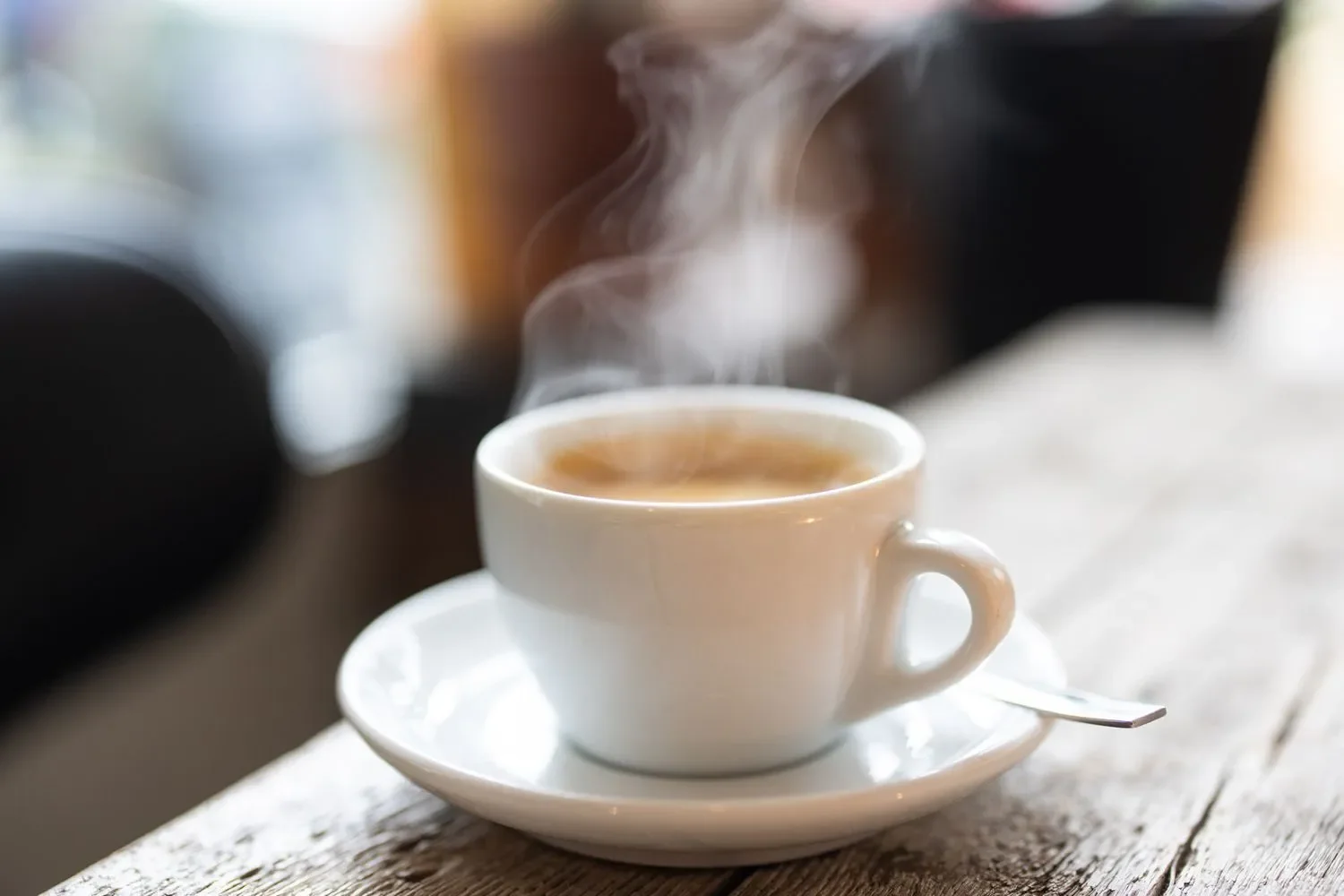
The core of this shift lies in the diverse offerings: drinks leveraging the power of mushrooms, chicory root, green tea derivatives like matcha, and fruit/vegetable-based juices are gaining traction. Consumers are actively seeking options that hydrate, support gut health, and provide energy without the notorious "caffeine crash." This movement signals a growing consciousness around bodily response and a desire for more nuanced morning awakenings.
A Spectrum of Substitutes Emerges
The landscape of coffee alternatives is broad, catering to varied preferences and perceived needs.
Read More: King Arthur Cafe Site Becomes Tino Bistro in Late April
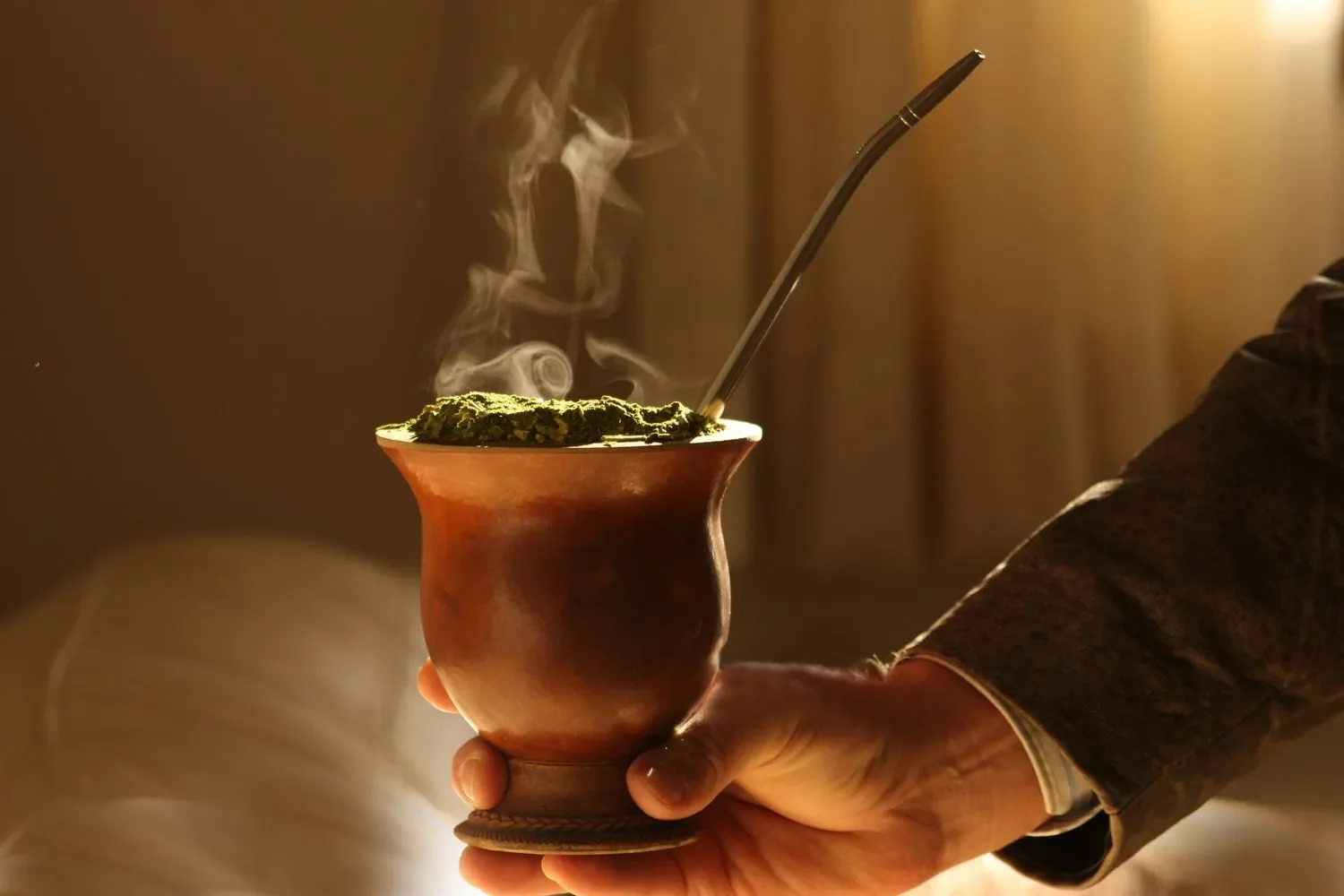
Mushroom Coffee: This hybrid beverage, combining coffee beans with dried, ground functional mushrooms, offers a familiar brewing method with added adaptogenic qualities.
Chicory Coffee: Derived from roasted chicory root, this option mimics coffee's flavor profile without the caffeine.
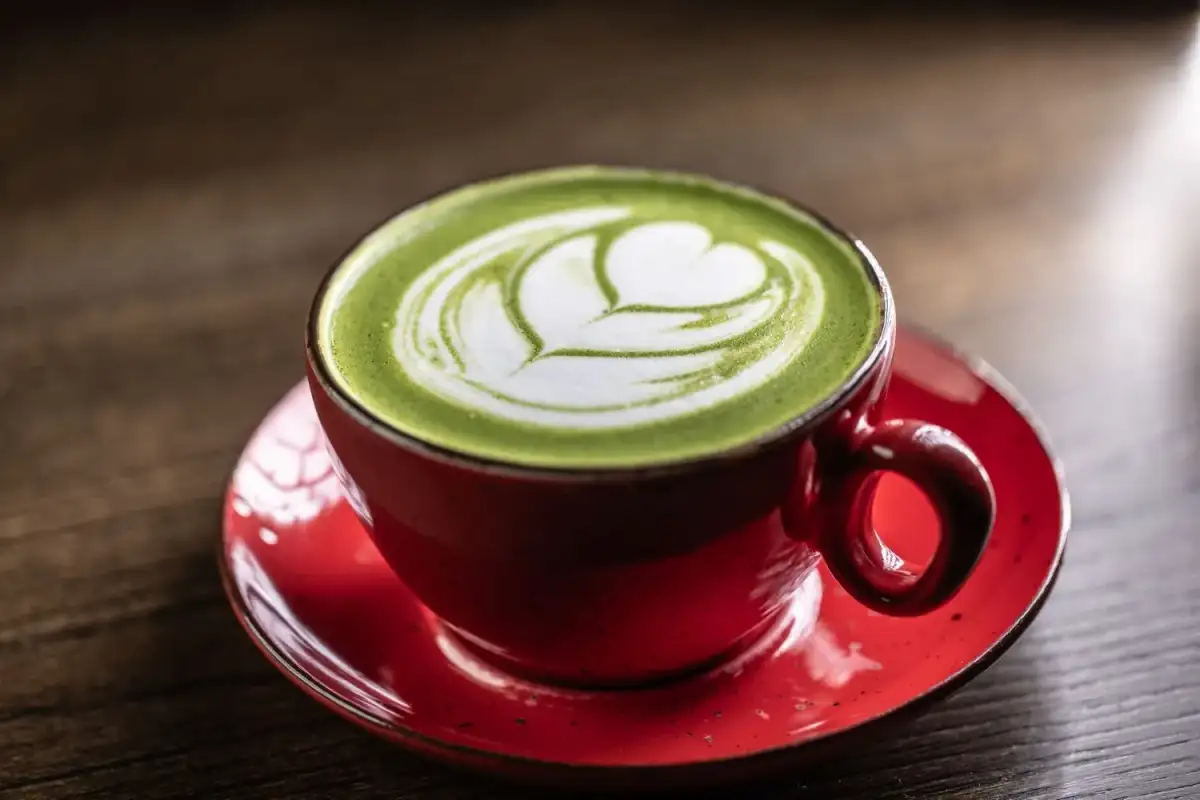
Matcha: This finely ground green tea powder provides a caffeine boost, but many report a cleaner, more even subjective experience compared to coffee, with some formulations specifically designed to address cortisol levels directly.
Herbal Teas and Infusions: A classic alternative, herbal teas offer a vast range of flavors and potential benefits.
Lemon Water with Honey: Praised for its digestive kickstarting properties and natural energy provision.
Chia Seed Preparations: Soaked chia seeds in water, lemon, or coconut water are cited for delivering sustained energy through fiber and natural sugars.
Juices: Freshly squeezed concoctions, like those featuring beetroot, apple, celery, or citrus blends, are presented as nutrient-dense, energizing replacements.
Cacao-Based Drinks: Raw cacao lattes are also entering the conversation as potential coffee substitutes, offering a different kind of stimulating experience.
Beyond the Buzz: Functionality and Environmental Considerations
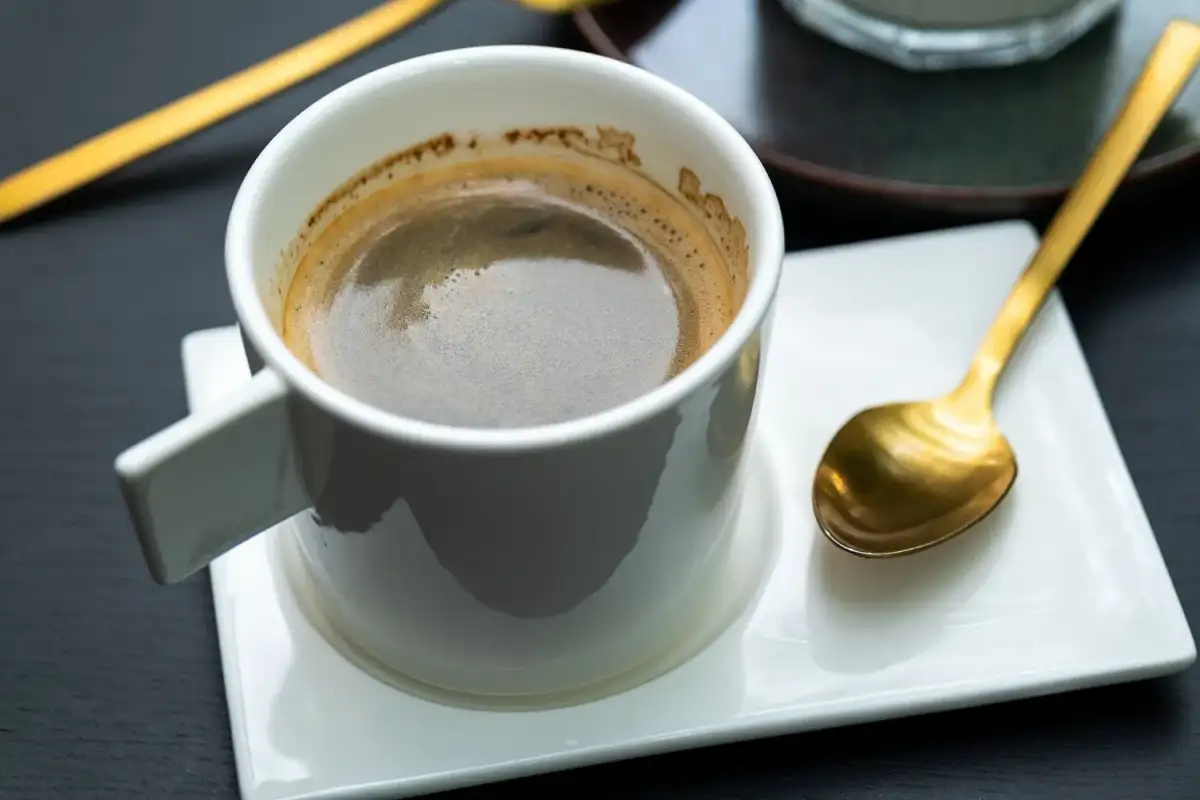
The appeal of these alternatives extends beyond mere caffeine replacement. Many are promoted for their direct contributions to metabolism, gut health, and even mood regulation. Drinks like the "Saffron Mood Drink," for instance, aim to reset cortisol levels, offering a calming yet energizing effect distinct from coffee's stimulative impact.
Furthermore, environmental consciousness is subtly weaving into the narrative. Matcha, in particular, is highlighted for its comparatively gentler environmental footprint than traditional coffee, especially when juxtaposed with the packaging concerns surrounding some energy drinks.
A Look Back: The Enduring Coffee Culture
For decades, coffee has been more than just a beverage; it's been a cultural touchstone, a ritualistic start to the day for countless individuals. Its robust flavor, social implications, and potent awakening effect have cemented its place in daily routines. However, as awareness around personal wellness and the long-term effects of caffeine consumption grows, this established order appears to be loosening its grip, making way for a more diverse and consciously chosen morning repertoire.
Read More: India IVF Costs And Social Barriers Limit Access In April 2026