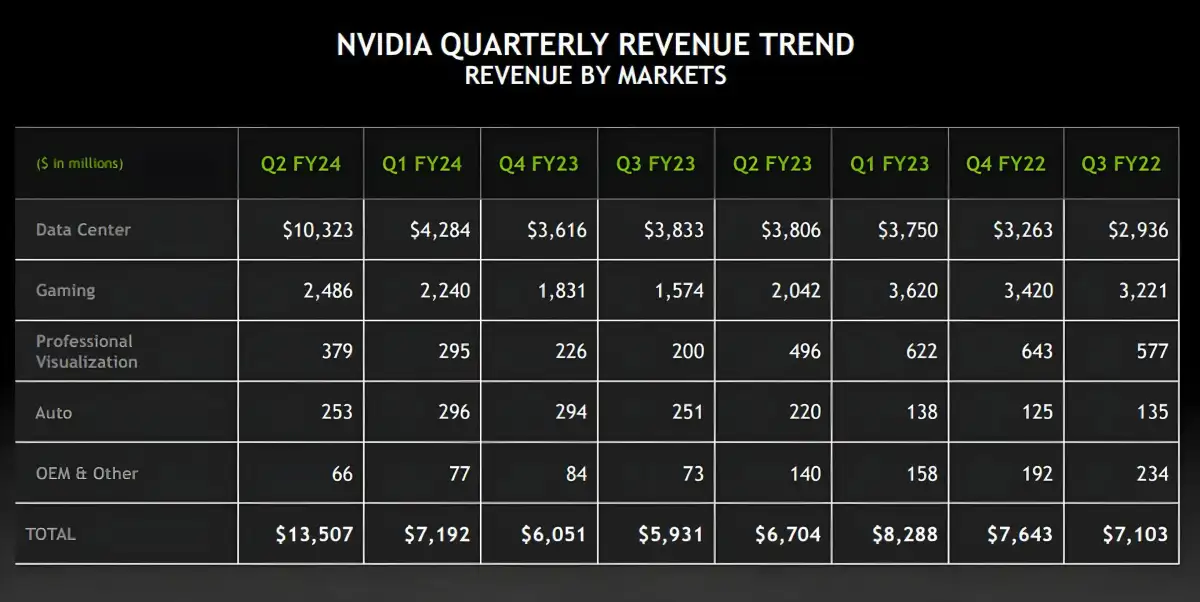
Graphics card prices appear to have ceased their upward trajectory, yet the underlying market remains demonstrably fractured. Consumers looking to acquire new GPUs today find themselves navigating a landscape where availability is erratic, and prices often diverge significantly from suggested retail figures. The stated MSRPs, once a benchmark, now function more as aspirational targets than realities, especially for newly released hardware.

Reports from early to mid-2025 indicate that manufacturers like Nvidia and AMD initially aimed for earlier product launches, with subsequent adjustments to their release schedules. While Nvidia has some control over its own Founders Edition cards, the broader market is heavily influenced by third-party manufacturers (AIBs). These AIBs often face a complex rebate system from chip suppliers; if the initial cost of GPU dies is high, AIBs rely on these rebates to offer cards at MSRP without incurring losses. This reliance on selective rebates, however, tends to keep actual supply at MSRP limited. Both AIBs acquiring silicon and retailers purchasing finished cards were initially working with flexible target pricing structures.
Read More: Chrome mimeHandler API lets extensions handle file types
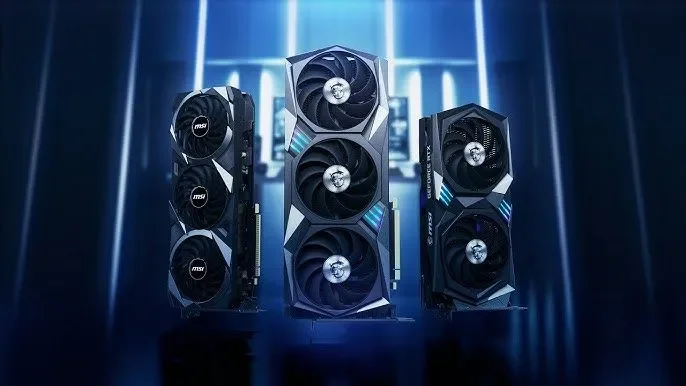
The notion of a "broken foundation" for the GPU market has become a recurring theme. Even with the introduction of new generations, like the GeForce 50 series, widespread availability remains elusive for the average consumer. Where cards are found, prices often far exceed NVIDIA's suggested retail. Small performance differences between models, whether due to overclocking or enhanced cooling, are frequently juxtaposed with dramatic price variances across different AIB offerings and even within a single company's product line.
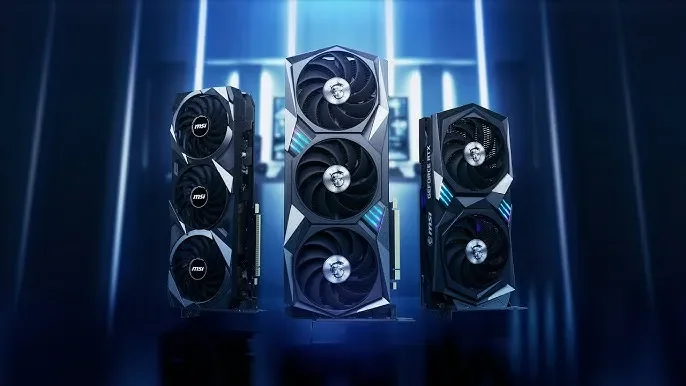
External factors continue to exert pressure. The resurgence of cryptocurrency mining operations, particularly when crypto prices rise, directly impacts GPU availability as these entities acquire large quantities for mining farms. This activity can delay new PC builds for consumers solely due to prohibitive costs. Beyond crypto, lingering supply chain issues and a burgeoning demand for AI compute power have also contributed to price surges and potential shortages, as seen in early 2026. Memory shortages, in particular, are cited as a significant ongoing concern, potentially leading some vendors to cut production or even exit the market, which would further reduce competition and likely drive prices up.
Read More: Piper Sandler and VSE Corporation stock risks in April 2026
Looking ahead, there are some indications of stabilization. By early 2026, the graphics card market was described as stabilizing, with high-end cards maintaining premium pricing but without the extreme scarcity-driven spikes of previous periods. The trend towards midrange GPUs dominating sales is seen as potentially reducing speculative demand and making high-fidelity gaming more accessible. However, looming tariffs have also been identified as a factor impacting sales and market growth. The complex interplay of manufacturing costs, corporate strategies, artificial scarcity, and evolving technological demands—such as AI compute—continues to shape the accessibility and affordability of graphics cards.
Background
The state of the graphics processing unit (GPU) market has been a persistent concern for consumers and industry observers throughout 2025 and into early 2026. While prices appeared to level off at certain points, deeper analysis reveals a market characterized by intricate pricing mechanisms, limited stock, and external pressures. Factors such as manufacturer rebate programs, the fluctuating profitability of cryptocurrency mining, and the escalating demands of artificial intelligence workloads have all played significant roles in shaping availability and cost. The current situation suggests that while immediate price spikes may be less frequent, the fundamental challenges of acquiring GPUs at reasonable prices persist.
Read More: BEREC Asks for Mobile Network API Ideas from Developers