A significant number of Hong Kong's established eateries are ceasing operations, a trend characterized by the closure of businesses with decades of history. This wave of shutdowns marks a net decline in the city's food and beverage establishments, the first in six years, with more closures than openings reported. Factors such as elevated rents, an economic downturn, and shifting consumer habits are cited as primary drivers.

The city is witnessing the shuttering of businesses that were not merely places to eat but repositories of shared memory and cultural identity. These closures are particularly poignant given their long tenures, with businesses operating for over 40, 70, and even 50 years disappearing from the urban fabric. The phenomenon extends beyond small, independent spots to well-known chains, including those that pioneered specific culinary niches, leaving a void in the local dining scene.
Read More: King Arthur Cafe Site Becomes Tino Bistro in Late April
Mounting Pressures on F&B Sector
Industry leaders have voiced concerns about the pervasive pressures impacting Hong Kong's restaurant sector. Simon Wong Ka-wo, president of the Hong Kong Federation of Restaurants and Related Trades, highlighted a confluence of cost-related issues.
Rising Expenses: He pointed to the escalating costs of labor, rent, ingredients, and other administrative overheads.
Cost-Effectiveness Squeeze: The overall cost-effectiveness of operating a restaurant in Hong Kong is under immense pressure.
Declining Tourist Spending: A reduction in tourist spending is also identified as a factor hindering the sector's recovery.
Shift in Dining Scene
The disappearance of these legacy businesses coincides with a reshaping of Hong Kong's culinary landscape.
Rise of Chains: Mainland Chinese and Korean chains are increasingly influencing the dining scene, potentially leading to a more generic, globalized food offering.
Loss of Unique Identity: There is a concern that Hong Kong could lose its distinct culinary identity, becoming indistinguishable from other major metropolises with similar chain outlets.
Notable Closures and Industry Impact
Several high-profile closures have underscored the severity of the situation.
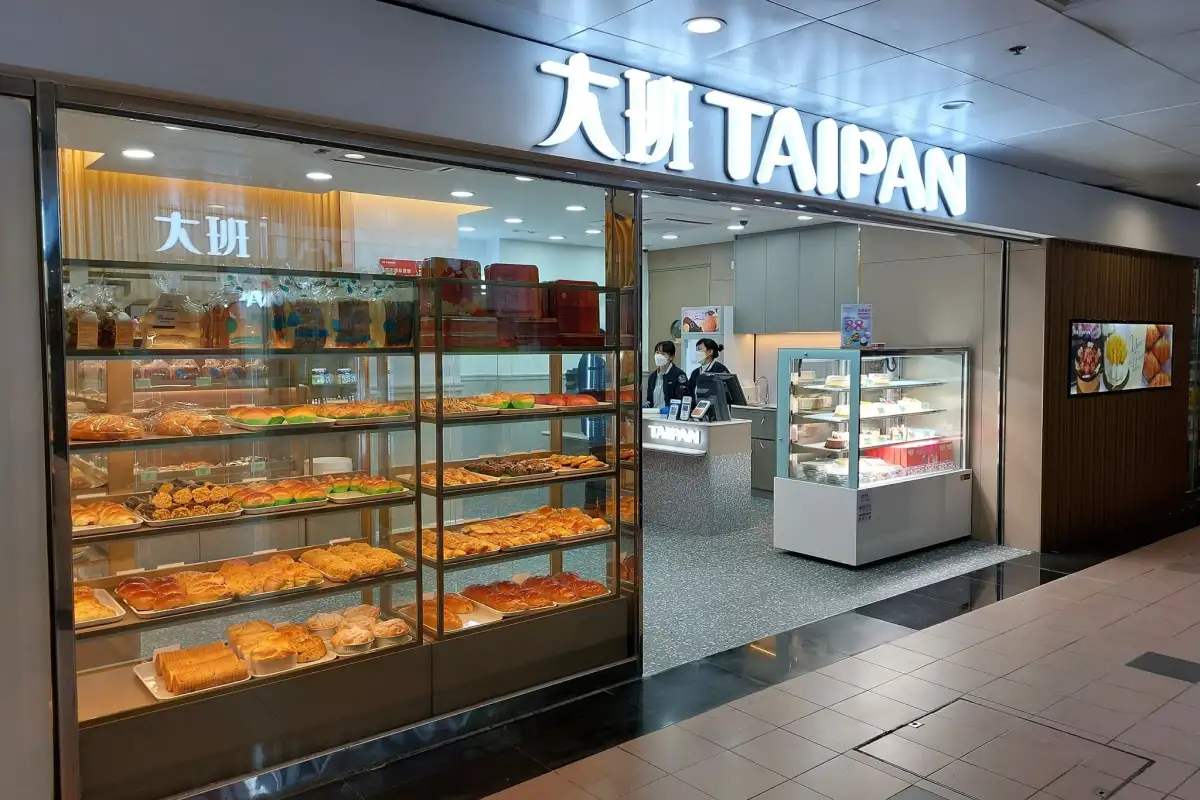
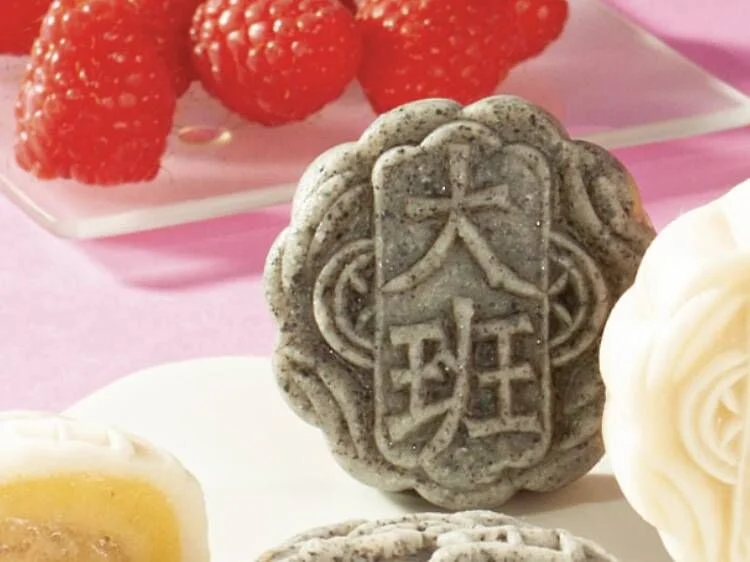
Bakery Chains: The inventor of "snow skin" mooncakes, Taipan Bread & Cakes, shut all its branches after over four decades.
Seafood Restaurants: The Super Star Seafood Restaurant chain closed its last branch after 36 years, leaving employees in uncertainty.
Congee Specialists: Ocean Empire Food Shop, a congee chain that modernized the dish since the 1990s, collapsed.
Cha Chaan Tengs: Daniel’s Restaurant, which grew from a dessert shop in the 1980s to a 24-outlet cha chaan teng empire, served its final milk pudding at its last location in May 2025.
Traditional Eateries: Bing Kee Cha Dong, a 70-year-old tin-roofed dai pai dong-style eatery and a tourist draw, also ceased operations.
Central District Venues: Uma Nota and BEDU, known for their vibrant flavors, closed their doors in Central after eight years.
These closures are not isolated incidents but part of a broader pattern, with some districts, such as Yau Tsim in Kowloon and the Central and Western district on Hong Kong Island, experiencing a net loss of around 40 restaurants over the past year. The trend is so pronounced that it has been acknowledged at the highest levels of government.
Contributing Factors
The underlying causes for these closures are multifaceted, reflecting deeper economic and social shifts:
Read More: Hong Kong Customs Seizes 2.2 Million Illicit Cigarettes, HK$11.3 Million Laundered
Owners Aging: Proprietors of long-standing businesses are often aging, with fewer successors willing or able to take over the demanding roles.
Community Redevelopment: Urban development projects can displace established businesses.
Economic Downturn: A general economic slowdown impacts consumer spending power and business viability.
Cross-Border Consumption: An increasing number of Hongkongers are choosing to dine in mainland China, driven by perceived value or different experiences.