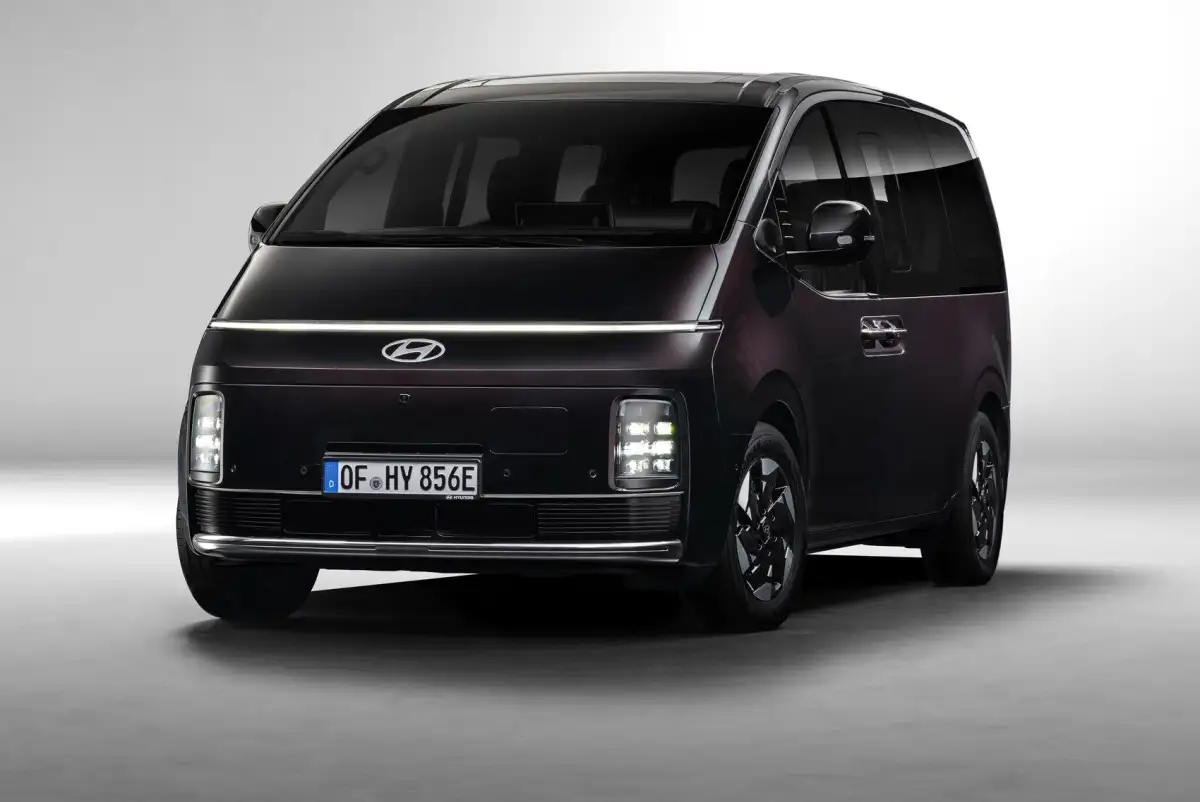
The landscape of electric vehicles (EVs) is experiencing a significant shift, marked by the increasing availability of models offering substantial driving range at more accessible price points. This evolution is directly addressing a primary concern for many potential buyers: range anxiety. A key development facilitating this is the widespread adoption of the North American Charging Standard (NACS) plug on new EVs.
This widespread integration of the NACS plug, extending access to Tesla's extensive charging network of over 7,685 stations and 48,000 ports, fundamentally alters the charging infrastructure calculus for non-Tesla EV drivers. This move opens up formerly exclusive charging avenues, potentially leveling the playing field and reducing apprehension about powering up away from home.
Bridging the Range Gap
While small, lower-range EVs have historically presented a more affordable purchase price compared to similar gasoline-powered vehicles, larger, longer-range models have often come with a premium cost. However, recent trends indicate a convergence. Extended-range electric vehicles (EREVs), which combine electric propulsion with a small gasoline generator, are re-emerging as a strategy to mitigate both cost and range concerns. These vehicles offer an electric-only range that meets daily commuting needs – often between 100 to 200 miles – while a larger total range (350 to 600 miles) effectively eliminates the fear of running out of power.
Read More: Tata Punch EV Facelift Launched in India with New Features and Prices
Economic Undercurrents
The broader push towards electric mobility is underpinned by a general decrease in EV purchase costs and continuous improvements in battery technology. While gasoline vehicles may still hold an edge in initial purchase price, the total cost of ownership for EVs is becoming increasingly competitive. Lower maintenance, repair, and "fuel" expenses over the lifespan of an EV are offsetting higher upfront investments. Furthermore, electric medium and heavy-duty trucks are nearing cost parity with their diesel counterparts, signaling a broader economic rebalancing across vehicle types.
Market Signals
Companies are introducing EREV models in SUV and truck segments, notably the 2025 Ram 1500 Ramcharger boasting a 145-mile electric range and a 690-mile total range. In China, manufacturers like Li Auto and AITO have deployed EREVs with substantial electric and total ranges. Even Scout Motors has reported significant interest in its EREV models over their battery-electric counterparts. Meanwhile, efforts to offer compelling EVs below the $40,000 mark continue, with some models now integrating NACS ports, granting them access to the aforementioned Tesla charging infrastructure.
Read More: Chrome mimeHandler API lets extensions handle file types
Background Information:
The transition to EVs is driven by a confluence of factors including technological advancements, policy incentives, and growing environmental awareness.
Range anxiety, the fear of an EV running out of charge before reaching a charging station or destination, has been a significant barrier to mass adoption.
The charging infrastructure, particularly the availability and compatibility of charging stations, has been a point of contention and development.
The total cost of ownership (TCO) for vehicles considers purchase price, fuel, maintenance, insurance, and potential resale value over a set period.
Extended-Range Electric Vehicles (EREVs) or Plug-in Hybrid Electric Vehicles (PHEVs) serve as a transitional technology for consumers not yet ready for full battery-electric adoption.



)