A Divisive Path Emerges for Senate Aspirants
The burgeoning campaign of Graham Platner for the Maine Senate seat is not merely a contest for office, but a stark illustration of internal party divisions, particularly between established factions and those drawn to an unconventional political persona. Platner, a former infantry soldier turned oyster farmer, has cultivated an image of an authentic outsider, resonating with a segment of the electorate, while simultaneously becoming a flashpoint for controversy and a litmus test for progressive elements within the Democratic party.

The primary battle to unseat Republican Susan Collins has devolved into an expensive affair, with both leading Democratic candidates, including Platner, investing heavily in their campaigns. Collins, by contrast, has remained notably conservative with her own spending, a strategic advantage as Democrats grapple with reclaiming the U.S. Senate. This financial disparity underscores the uphill climb facing the party in Maine, a race seen as critical to their broader national ambitions.
Read More: Trump Allies Prepare for More Supreme Court Picks if Vacancies Occur

Platner's candidacy has brought to the fore a generational rift within the Democratic party. His rallies attract substantial crowds, with overflow audiences braving harsh weather to hear the 41-year-old speak. This broad appeal, however, is complicated by past controversies. Platner has faced scrutiny for a tattoo he obtained years ago, which he claims was acquired with fellow Marines while on leave in Croatia and that he did not recognize as a Nazi symbol at the time. He has since appealed to supporters for understanding, emphasizing personal evolution.

Populism vs. Party Lines
While Platner's populist message, advocating for policies like 'Medicare for All' and raising the federal minimum wage, aims to capture the attention of working people, its alignment with the broader Democratic platform is not universally embraced. Observers are divided on whether Platner can bridge the gap to appeal to the independent and moderate rural voters the party needs to secure victory. Some within the party are willing to embrace riskier candidates like Platner, seeing him as a potential agent of change in an unpredictable political climate.
Read More: Susan Collins Runs for Maine Senate Again
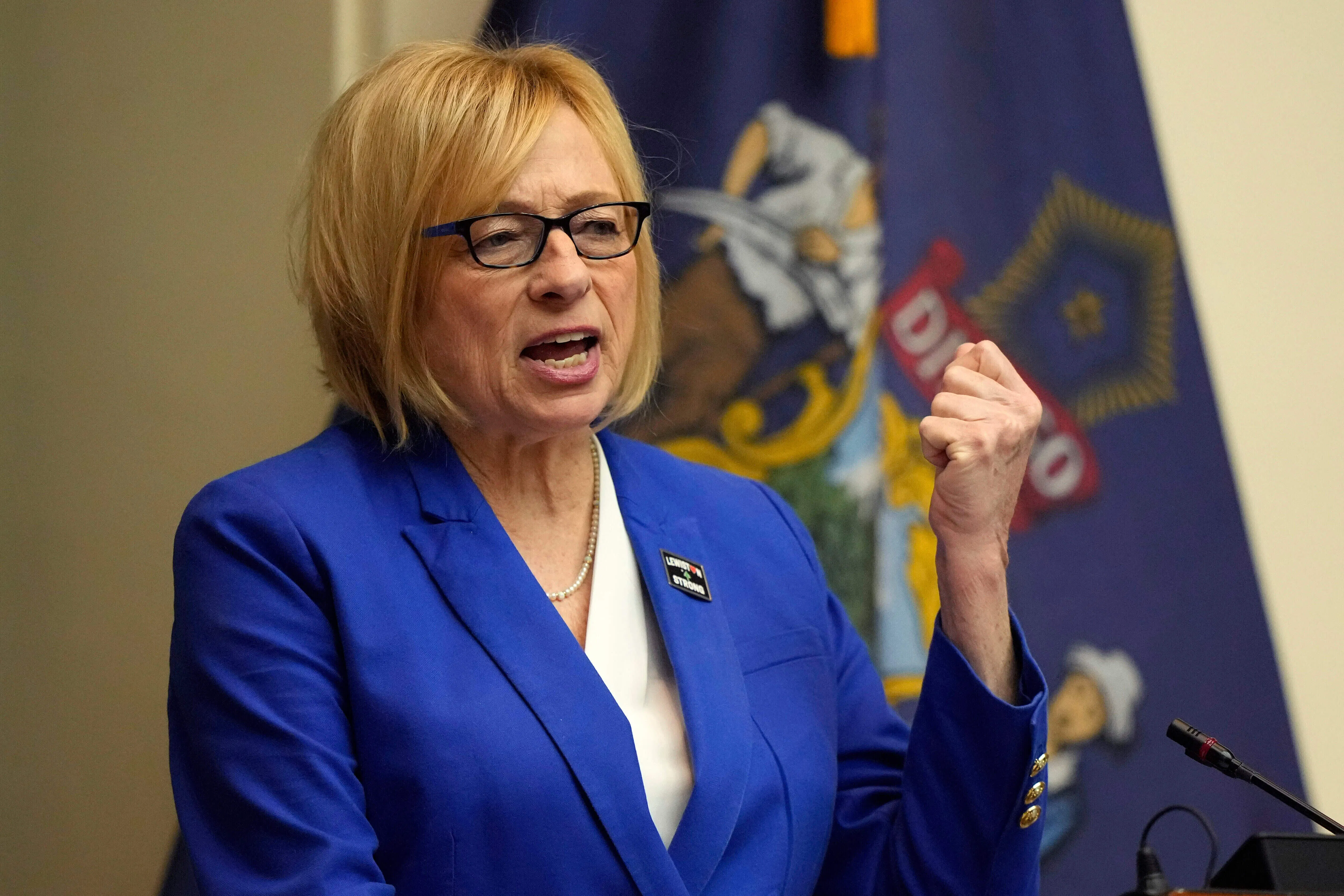
The internal struggles are evident, with prominent figures like Ruben Gallego lending their support to Platner, signaling a split among key Democrats regarding the optimal strategy to defeat Collins and the less experienced candidate, Janet Mills. Platner himself has remained defiant amidst criticism, asserting that he is being targeted while simultaneously commanding large audiences with his anti-establishment narrative. His campaign’s trajectory is being closely watched as an indicator of how much notoriety around past statements might matter to voters in a Democratic primary.
BACKGROUND:
The 2026 U.S. Senate race in Maine presents a complex landscape for the Democratic party. With Susan Collins seeking reelection, Democrats are looking for a candidate capable of unseating the long-serving Republican. The primary contest has highlighted an internal struggle between traditional party strategies and the appeal of unconventional candidates who tap into populist sentiments. Graham Platner's background as a former soldier and current oyster farmer, combined with his outsider persona, has generated significant attention, but also controversy, particularly concerning past associations and statements. This dynamic plays out against a backdrop of increasing campaign spending, a potential generational divide within the party, and the broader national context of Democratic efforts to regain Senate control.
Read More: House Republicans Demand ICE Funding, Delaying End to Homeland Security Shutdown