THE DEAD BALL AS ARBITER
In a Premier League season where 'goals from dead-ball situations' appear to dictate fortunes, Arsenal remains a prominent fixture, often at the top, yet the very nature of their success invites questions about the aesthetics of victory. The sheer volume of goals now derived from corners, free kicks, and other set-piece scenarios paints a picture of a league profoundly influenced by this tactical emphasis, a trend seemingly more pronounced than ever.
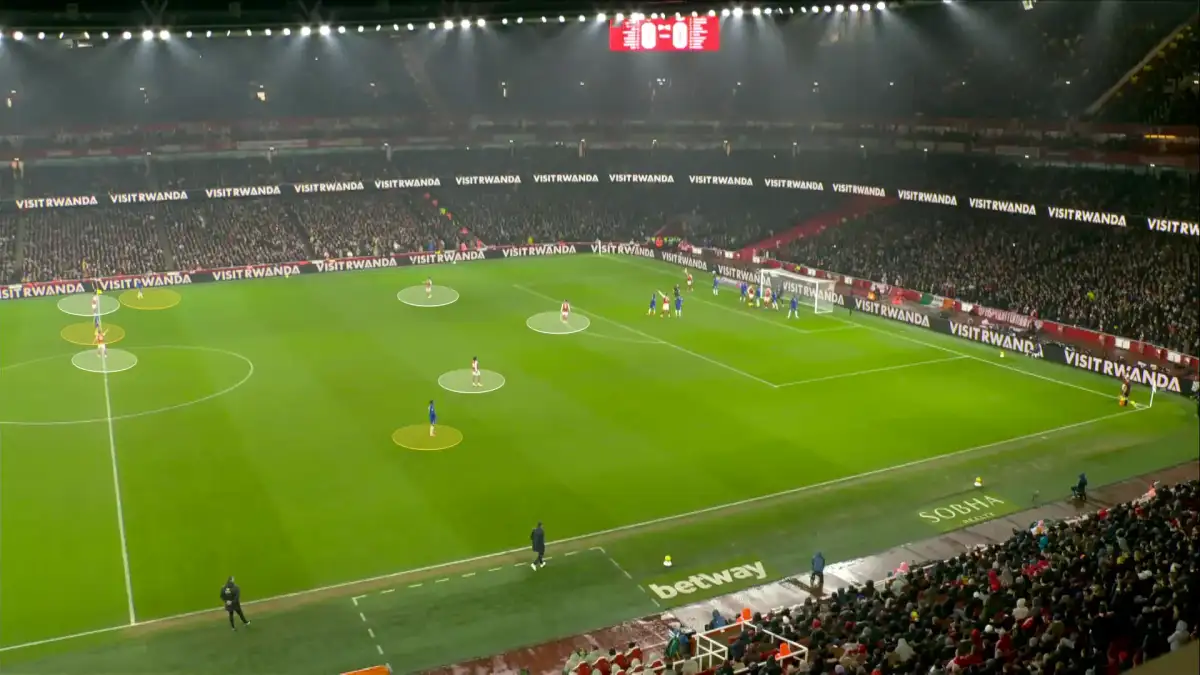
The league's aggregate goal count from corners this season has already surpassed last year's total, a clear indicator of this shift. Premier League clubs, it seems, are increasingly relying on the calculated chaos of set plays, with Arsenal emerging as a significant player in this domain. Their manager, Mikel Arteta, has expressed frustration that the team isn't capitalizing even more on these opportunities, a sentiment that perhaps underscores the pressure associated with this particular approach.
Read More: Man Utd Stalls Lewis Hall Transfer to Prioritize Midfield Signings
ARSENAL'S SET-PIECE DOMINANCE AND ITS IMPLICATIONS
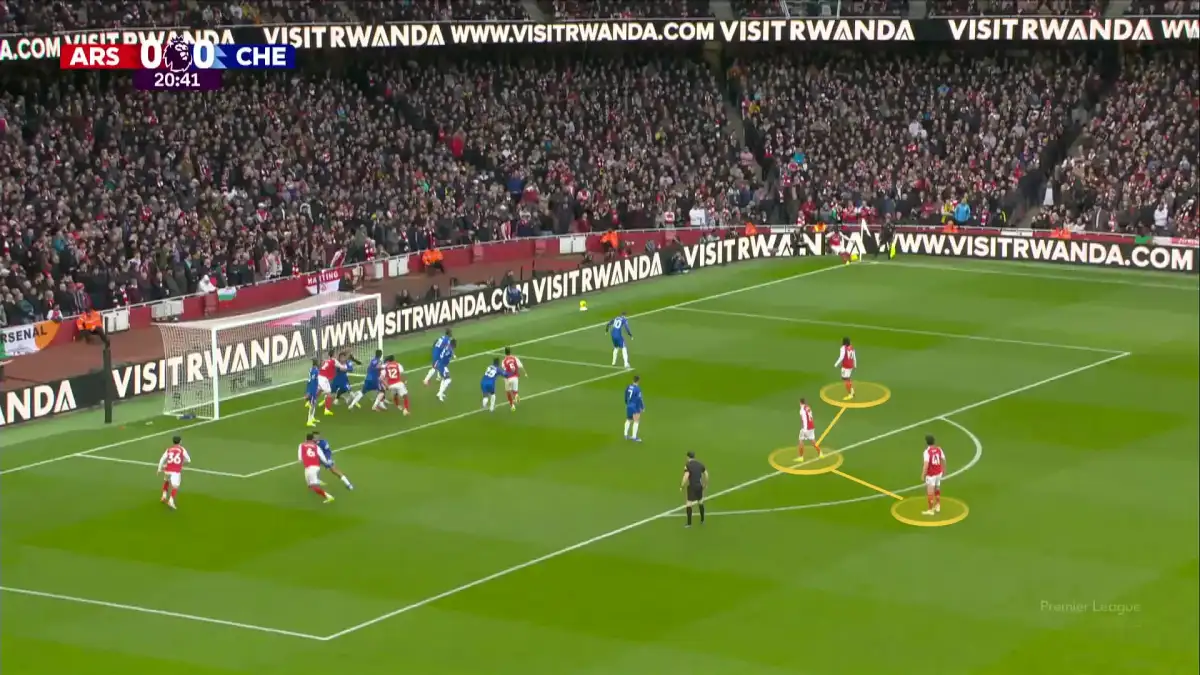
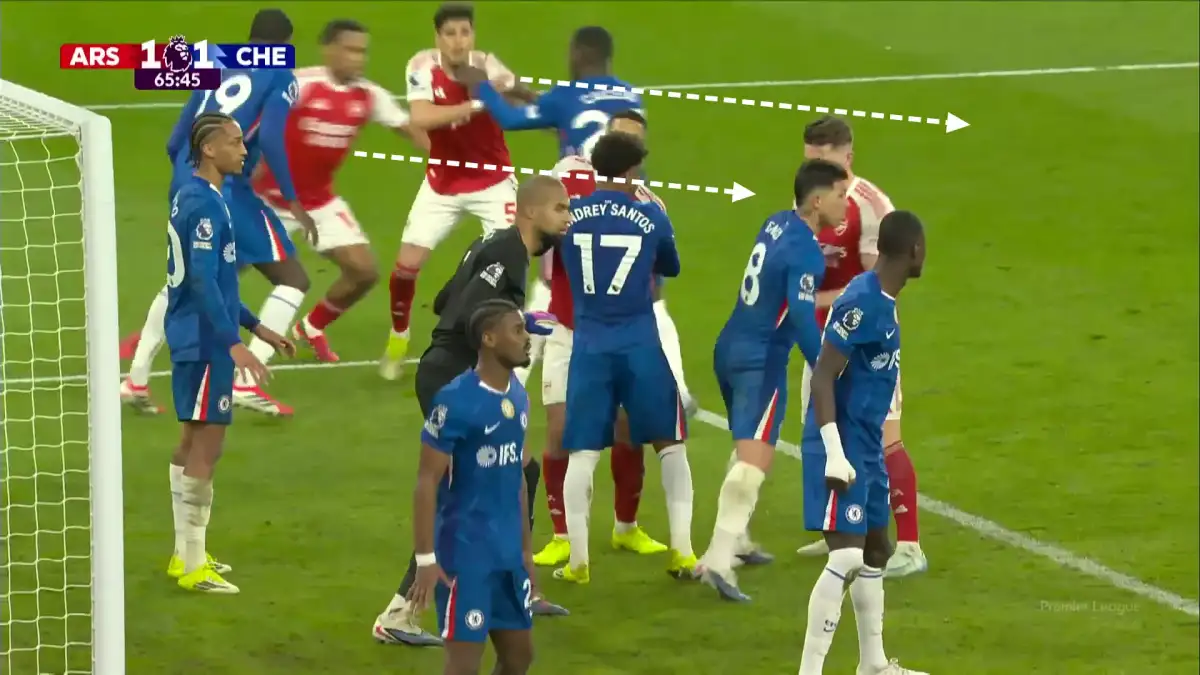
Arsenal stands out in this evolving landscape. Reports suggest they have been responsible for a substantial number of set-piece goals, with some analyses placing them as the most effective side in the league from these situations. This has led to a debate, often framed by their own manager as criticism from rivals attempting to catch up, about whether their tactical reliance on set-pieces makes them an 'ugly', albeit effective, title contender.
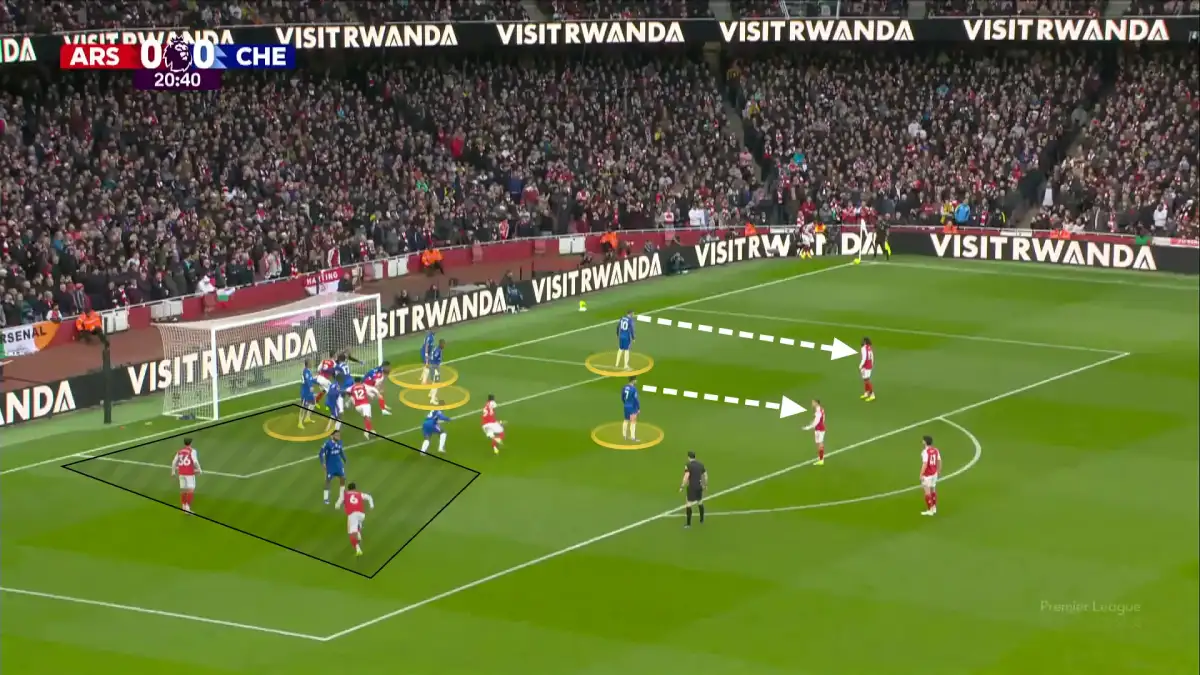
Data reveals that Arsenal has scored a significant portion of their total league goals from set plays, with figures as high as 17 out of 40 league goals, or 19 from corners in all competitions. The effectiveness is further highlighted by the fact that multiple players across the squad have contributed to this tally, a testament to a well-drilled strategy. This success is intrinsically linked to their set-piece coach, Nicolas Jover, whose contract reportedly includes performance-based bonuses tied to set-piece goals.
Read More: Man City vs Bournemouth: Rodri Returns for Champions League Spot
A SHIFTING TABLE AND UNEVEN GAINS
When the impact of set-piece goals is removed from the equation, the Premier League table undergoes a noticeable, though not always seismic, transformation. In one hypothetical scenario analyzing games from weeks 11-15, Liverpool would have found themselves at the summit, ahead of Manchester City and Arsenal. Conversely, another snapshot from weeks 16-20 saw Chelsea, Sunderland, and Brighton benefiting most, while Everton and Aston Villa would have been considerable losers in this set-piece-free calculation.
Over the longer span of games from weeks 6-10, Arsenal solidified their lead, while Manchester City found themselves in sixth place. However, these hypothetical tables serve as a stark reminder that success in the current Premier League is often a multifaceted construct, with set pieces acting as a significant, and at times, decisive, variable.
Read More: FIFA Moves Mexico vs England Match 6 Hours Earlier
THE BROADER LEAGUE TREND
The reliance on set pieces is not unique to Arsenal. In fact, 15 out of 20 Premier League clubs now employ dedicated set-piece coaches, indicating a league-wide embrace of this tactical avenue. While Arsenal is lauded for their offensive prowess from these situations, others, like Liverpool, are noted for their comparative struggles, even in terms of goals conceded from set plays.
The league’s statistical evolution shows a clear trend: goals scored from corners are on the rise, surpassing previous seasons’ totals. This suggests a deeper strategic adjustment across clubs, possibly driven by improved defensive organization in open play, forcing teams to seek advantages elsewhere. As one report notes, "Better defending in open play will naturally lead to a greater reliance on set-plays."