A recent report has brought Governor Wes Moore's personal history, specifically a narrative about his great-grandfather fleeing the Ku Klux Klan, into question. The story, a recurring element in Moore's public addresses and political messaging, is being examined against available historical records. This situation raises questions about the verification of personal anecdotes used in political discourse and the public's reliance on such narratives.

Background of the Story and its Use
Governor Wes Moore has frequently shared a compelling story concerning his great-grandfather, a Black preacher. This narrative states that his great-grandfather was forced to leave South Carolina in the 1920s with his family, including Moore's young grandfather, due to threats from the Ku Klux Klan. Moore has recounted this tale in his 2014 memoir and on numerous occasions during his political campaigns, positioning it as a way to redefine patriotism and explain his own rise. This story has been a cornerstone of his public image, linking his family's past struggles to broader themes of American history and patriotism.
Read More: Taiwan Holds Nantou County Drills to Prepare for State Collapse
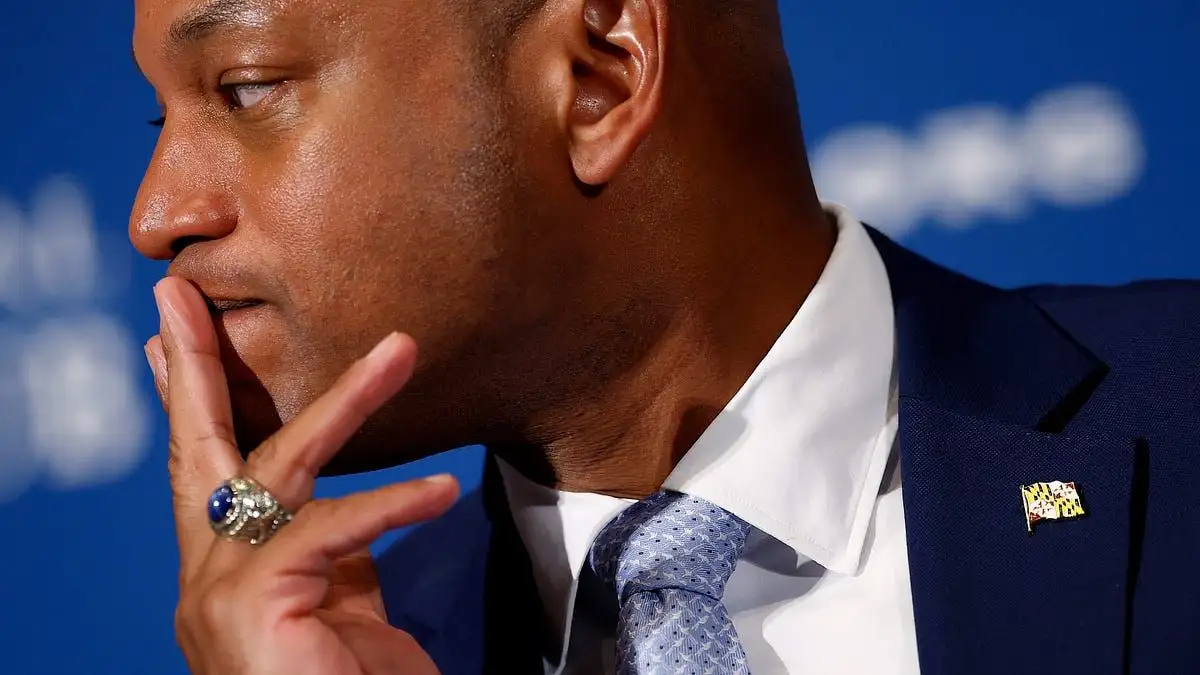
Moore's press secretary, Ammar Moussa, stated that the account was "a family’s century-old oral history" and defended its truthfulness by citing the pervasive nature of "intimidation and racial terror" during the Jim Crow South.
The narrative has been particularly prominent in Moore's political career, with some suggesting it is used to bolster his image and potential future political aspirations, including a possible presidential run.
Conflicting Historical Accounts
Investigations by The Washington Free Beacon have presented information that challenges the widely told family story. These reports claim to have traced the movements and history of Moore's great-grandfather, finding discrepancies with the gubernatorial account.

The Free Beacon's reporting indicates that Moore's great-grandfather, identified as Rev. Thomas, was actually born in Jamaica. His eventual move from the South is not directly linked to the Ku Klux Klan in the records examined.
Episcopal Church archival records, which detail Rev. Thomas's affiliation, suggest his departure from a denomination was part of a formalized process requiring approvals, rather than a hasty flight from racial terror.
A 1920s newspaper mention of Moore's great-grandfather, concerning his return to Jamaica, makes no reference to the Ku Klux Klan or any forced escape from the United States.
While Moore's campaign has asserted the story is based on family oral history, a request for family members who could corroborate the Klan-related escape went unanswered.
Governor Moore's Response and Office Statements
Governor Moore's office has actively defended the family narrative, pushing back against the critical reports and questioning the motives behind them.

Moore himself responded to the article, suggesting that The Free Beacon had "touched a nerve" and implying a deliberate attempt to discredit him.
His press secretary, Ammar Moussa, defended the story as a piece of "century-old oral history," highlighting the historical reality of Jim Crow South's racial terror as context.
In response to questioning, Governor Moore's office stated that the broader context of the story—that his family experienced hardship due to racial issues—is not in dispute.
Some of Moore's aides have accused The Free Beacon of racism in their reporting on the governor's family history.
Past Scrutiny on Moore's Background
This is not the first time Governor Moore has faced public questioning regarding the accuracy of his personal background stories.
In the past, former President Donald Trump raised questions about the legitimacy of Moore's military service record, specifically his Bronze Star award.
The current controversy echoes past instances where personal narratives presented by public figures have been subjected to intense fact-checking.
Expert Perspectives and Analysis
The situation prompts consideration of how personal histories are used in public life and the standards for verification.
Comparisons have been drawn to other public figures whose family histories have been presented in political contexts, such as Elizabeth Warren's claims of Cherokee ancestry, which also relied on oral history.
The Dan Rather controversy involving "memos on Bush" is also cited as an instance where the accuracy of presented information, even if disputed in its specifics, was defended by the argument that the "broader reality" was accurate.
Conclusion and Unanswered Questions
The core of the current situation revolves around the specific details of Governor Wes Moore's family narrative concerning an escape from the Ku Klux Klan. While the existence of racial prejudice and hardship in the Jim Crow South is an established historical fact, the direct causal link and the dramatic nature of the described flight are what remain under scrutiny.
Read More: Maryland Democrats disagree on 2028 election map changes
The Washington Free Beacon has presented documentary evidence and records that appear to contradict the narrative as it has been presented by Governor Moore and his campaign.
The Governor's office maintains the story's essential truth, leaning on the strength of family oral tradition and the acknowledged historical context of racial oppression.
Further substantiation from independent historical sources or detailed family records could clarify the discrepancy. The current evidence presents conflicting accounts that have not been fully reconciled.
Sources
Twitchy.com: Touched a Nerve: Gov. Wes Moore Says The Free Beacon Can Ask the KKK About Its History
https://twitchy.com/brettt/2026/02/16/gov-wes-moore-says-the-free-beacon-can-ask-the-kkk-about-its-history-n2425076
Summary context: Primarily focuses on Moore's response to the Free Beacon article and includes social media reactions.
The Washington Free Beacon: Wes Moore Says the KKK Chased His Great-Grandfather Out of South Carolina. Historical Records Tell a Different Story.
https://freebeacon.com/democrats/wes-moore-says-the-kkk-chased-his-great-grandfather-out-of-south-carolina-historical-records-tell-a-different-story/
Summary context: This is the initial report detailing the discrepancies found through historical record review.
The Washington Free Beacon (Substack): Wes Moore’s Latest Whopper: Democrat Says KKK Chased His Grandfather Out of Charleston. Records Say Otherwise.
https://freebeacon.substack.com/p/wes-moores-latest-whopper-democrat
Summary context: A reiteration and framing of the Free Beacon's findings, often used for wider distribution.
WMAR 2 News: Gov. Moore fires back at article doubting his great grandfather being targeted by KKK
https://www.wmar2news.com/local/gov-moore-fires-back-at-article-doubting-his-great-grandfather-being-targeted-by-kkk
Summary context: Covers Governor Moore's reaction and defense against the report.
Fox News: Maryland Gov Wes Moore in hot seat after report questions claim about grandfather and KKK
https://www.foxnews.com/politics/maryland-gov-wes-moore-in-hot-seat-after-report-questions-claim-about-grandfather-and-kkk?msockid=17e88438586a62fb3b2d933b590963b1
Summary context: Reports on the political implications and the scrutiny Moore is facing.
Politicom.com.au: Report Questions Democrat MD Gov. Wes Moore’s Claim About His Family’s History ‘Fleeing’ the KKK - Politics, Policy, Political Views
https://politicom.com.au/report-questions-democrat-md-gov-wes-moores-claim-about-his-familys-history-fleeing-the-kkk/
Summary context: Another outlet reporting on the controversy and its political ramifications.
The Washington Free Beacon: ‘The Broader Reality Is Not in Dispute’: Wes Moore Struggles To Substantiate Claims About His Grandfather as Aides Accuse Free Beacon of Racism
https://freebeacon.com/democrats/the-broader-reality-is-not-in-dispute-wes-moore-struggles-to-substantiate-claims-about-his-grandfather-as-aides-accuse-free-beacon-of-racism/
Summary context: This report details the governor's office's defense strategy and accusations of racism against the outlet.
HotAir.com: Wes Moore Struggles To Substantiate Claims About His Grandfather as Aides Accuse Free Beacon of Racism
https://hotair.com/headlines/2026/02/13/wes-moore-struggles-to-substantiate-claims-about-his-grandfather-as-aides-accuse-free-beacon-of-racism-n3811816
Summary context: Provides an overview of the situation, including the governor's struggle to provide evidence and the counter-accusations made by his staff.