As of April 7, 2026, Elon Musk has positioned 'Universal High Income' (UHI) as the primary solution to a looming crisis of AI-driven labor displacement. Unlike traditional welfare, which focuses on survival, Musk argues that an automated economy will yield such significant surplus in productivity that human labor will become largely optional within 10 to 20 years.
Core Signal: Musk suggests that a massive, AI-led increase in goods and services production will effectively eliminate scarcity, theoretically rendering inflation from such payments irrelevant and making traditional concepts of "saving money" obsolete.
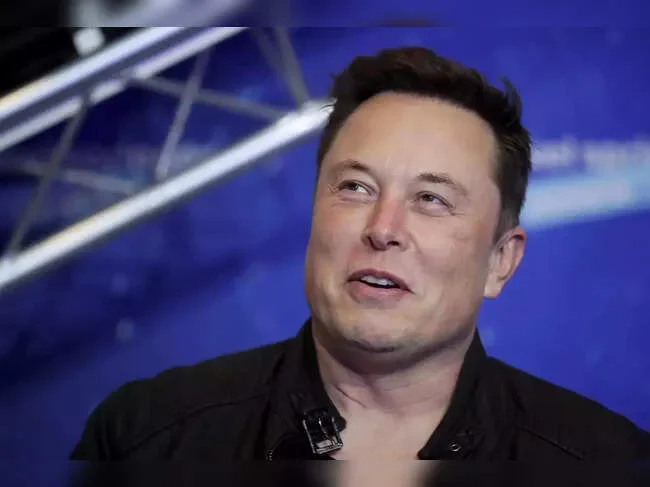
Universal High Income differs from Universal Basic Income (UBI) by shifting the goal from meeting basic needs to providing universal access to wealth and high-tier amenities.
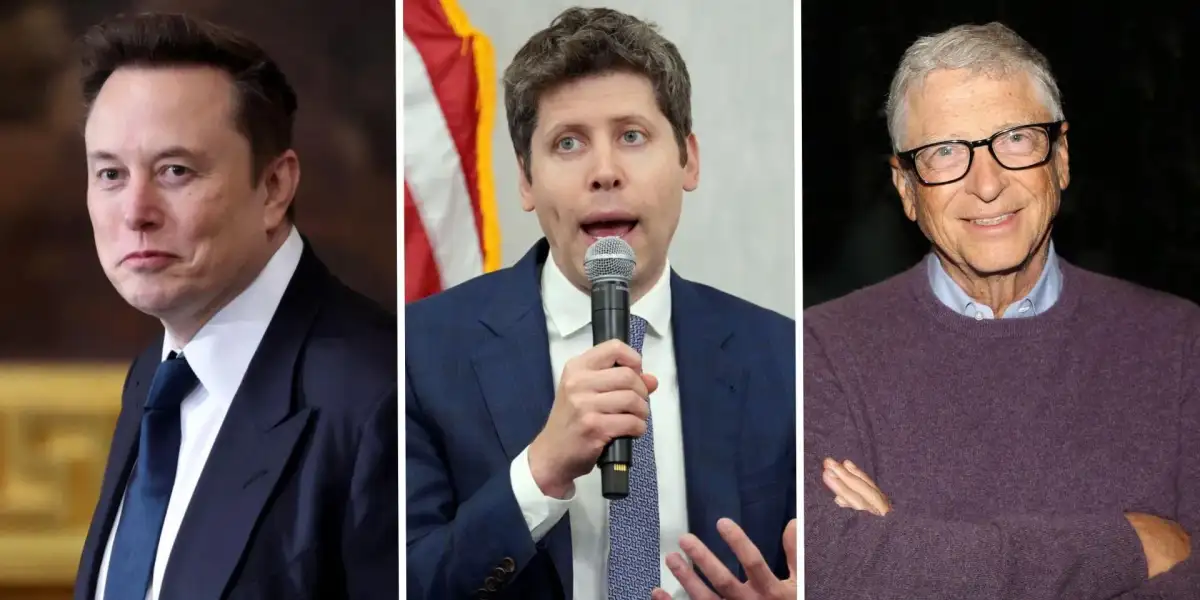
Proponents and critics alike are weighing in on the mechanism of delivery. Investor Emmet Peppers has floated the idea of taxing the productivity of physical, AI-powered robots to fund these distributions, while OpenAI’s policy framework—led by Sam Altman—has explored the creation of a 'Public Wealth Fund' to provide citizens an automatic stake in the infrastructure of the future.
The Divergent Views on Policy
While the narrative of "abundance" gains traction among certain segments of Big Tech, skepticism remains high regarding the implementation and the social fallout of a decoupled work-income system.
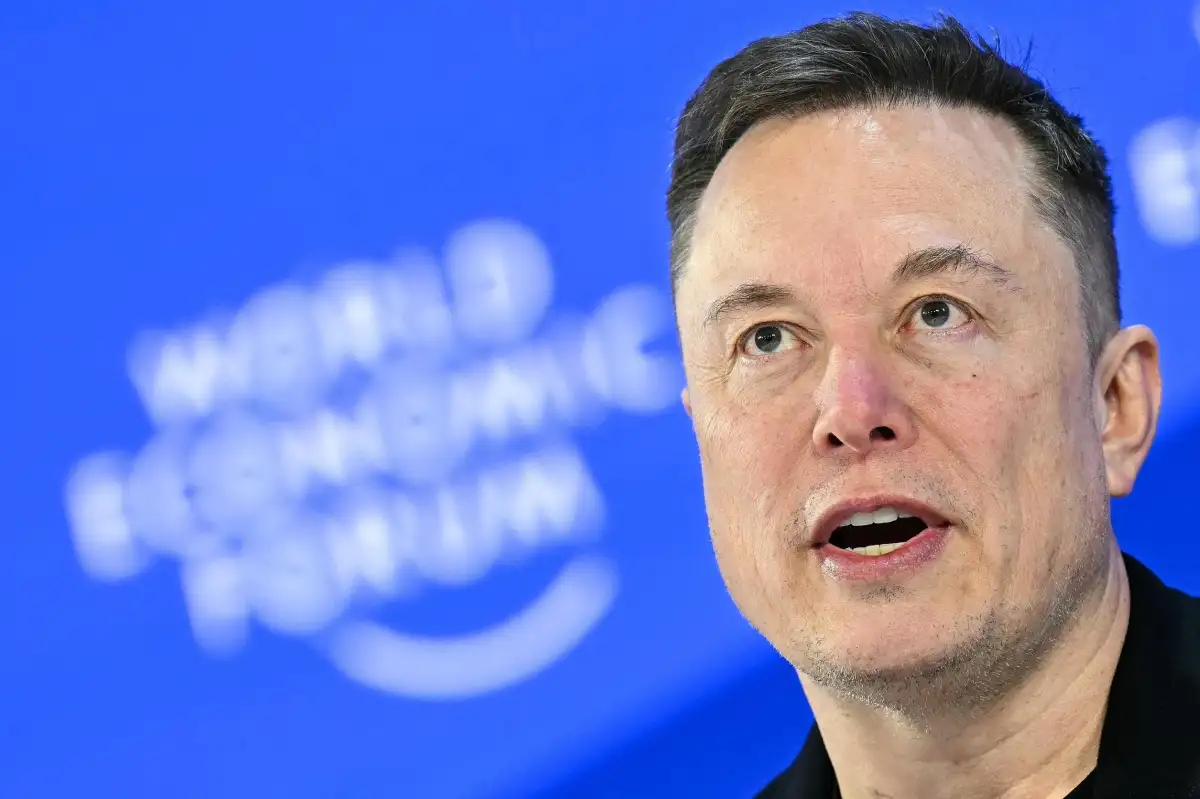
| Proponent / Critic | Perspective |
|---|---|
| Elon Musk | AI productivity leads to universal prosperity; labor becomes optional. |
| Joseph Stiglitz | Warns that without strong government intervention, AI will catalyze extreme inequality. |
| Pratyush Rai | Concurs that AI is quietly locking segments of the population out of existing labor markets. |
| Ankur Warikoo | Views job disruption as an unavoidable reality of the current technical trajectory. |
The Mechanics of the Transition
The discussion centers on the tension between government capability and the influence of tech capital. Nobel laureate Joseph Stiglitz recently cautioned that the "tech oligarch" tendency to prioritize smaller government structures may weaken the state’s ability to manage the societal shift away from traditional employment.
Read More: Chrome mimeHandler API lets extensions handle file types

The proposal arrives amid a broader, shifting conversation about the American economy. As noted in industry assessments from May 2026, many figures in the artificial intelligence sector are moving away from speculative "bubble" talk and toward a philosophy of extreme, system-wide transformation.
While Musk maintains that UHI is a future certainty, the path to implementation remains entangled with ongoing legal and professional disputes between industry leaders—including the strained relationship between Musk and OpenAI—and a persistent, if quiet, rise in involuntary unemployment as automated systems continue to integrate into the global market.