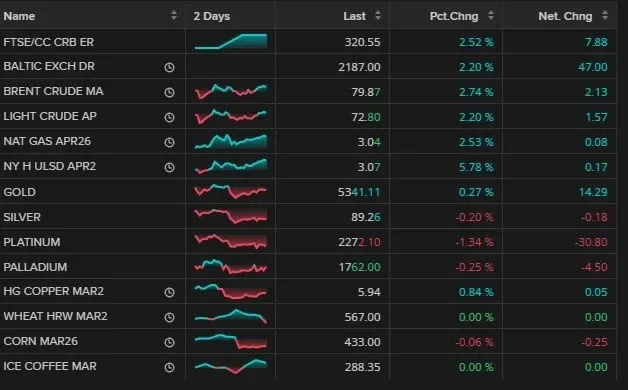
Global stock markets are exhibiting pronounced volatility, with sharp downturns observed in major financial centers. This turbulence appears directly linked to a significant surge in oil prices, a consequence of escalating geopolitical tensions in the Middle East, specifically reports of strikes in Iran and potential retaliatory actions. The ripple effect is anticipated to drag the Australian Securities Exchange (ASX) lower.
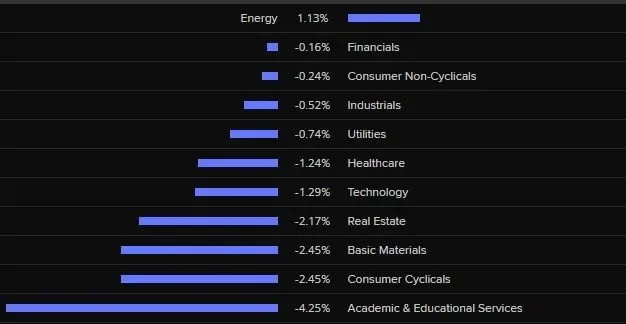
The Middle East conflict, entering its sixth day according to reports, is a primary driver. Crude oil prices have seen a substantial jump, with one report citing a 4% surge. This price acceleration in energy commodities is occurring amidst market speculation and uncertainty surrounding the implications of recent military actions. Concurrently, US bonds have experienced a sell-off for a fourth consecutive session, a move often indicative of growing doubt over the timing of central bank interest rate cuts.==
Read More: Solaris Energy SEI Stock Price Forecast Reaches $91.98 by July 2027

Wall Street's performance offers a stark preview of potential local market sentiment. Significant drops were recorded across various sectors. For instance, Old Dominion Freight Line plunged 7.9%, Carnival fell 5%, and Southwest Airlines lost 5.3%. These declines in the US market, coupled with broader concerns over economic uncertainty and specific issues like potential restrictions on chipmakers, are creating a cautious atmosphere for investors.
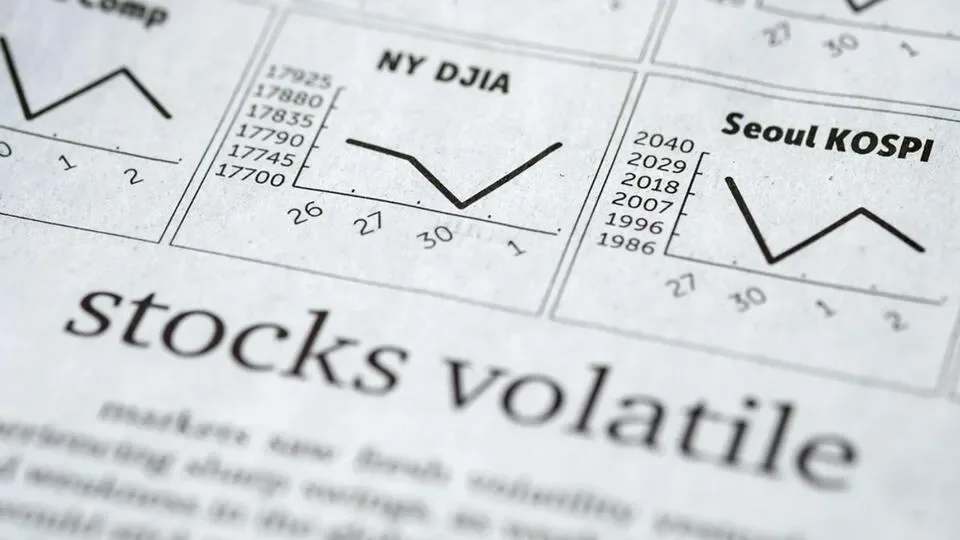
The financial indicators suggest a difficult start for the ASX. Futures point towards losses, mirroring the downward trajectory observed in overseas markets. This anticipated drop follows a period where the Australian dollar has also weakened, tumbling by 1% in one reported instance. The overall market sentiment is one of broad-based caution, with traders bracing for further volatility.
Economic signals beyond immediate geopolitical events also contribute to the unease. Money markets are now factoring in the possibility of several more interest rate hikes from the Reserve Bank of Australia (RBA), a prospect underscored by selling pressure in the bond market. This situation contrasts with the performance of certain international markets; while London's FTSE 100 experienced a 1.2% decline, Hong Kong's Hang Seng index saw a notable jump of 1.7%. The South Korean Kospi, after a historic plunge, showed signs of recovery, trading near unchanged.
Read More: Gold Prices Rise Faster Than US Bonds in April 2026
Specific sectors appear to be reacting differently to the unfolding situation. Energy stocks have found support due to the rising oil prices. Conversely, travel-related companies and certain consumer-facing businesses are feeling the pressure. Gold miners, meanwhile, have attracted attention as bullion prices have pushed higher, often seen as a safe-haven asset during times of uncertainty. The market is also watching the operational adjustments of the ASX, such as its updated 10:00 am AEST synchronized opening.
Contextual Background: Shifting Global Economic Landscape
The current market instability is occurring within a broader context of evolving economic conditions. Doubts surrounding the timing of interest rate cuts in the US, partly fueled by reports of new chipmaker restrictions, are adding another layer of complexity. These developments, alongside the immediate impact of the Middle East conflict on oil prices, are creating a multifaceted challenge for global financial markets. The interplay between geopolitical events, commodity prices, and central bank policies is shaping investor behavior, leading to the widespread apprehension currently being observed.
Read More: Rocket Companies brand update in April 2026 changes logos and names