Manchester United midfielder Casemiro is set to depart the club, concluding a tenure marked by a significant personal turnaround. Insiders suggest that his journey from a perceived "pariah" to a "pivotal figure" is a source of deep satisfaction for the Brazilian, particularly in what is framed as proving manager Ruben Amorim wrong.
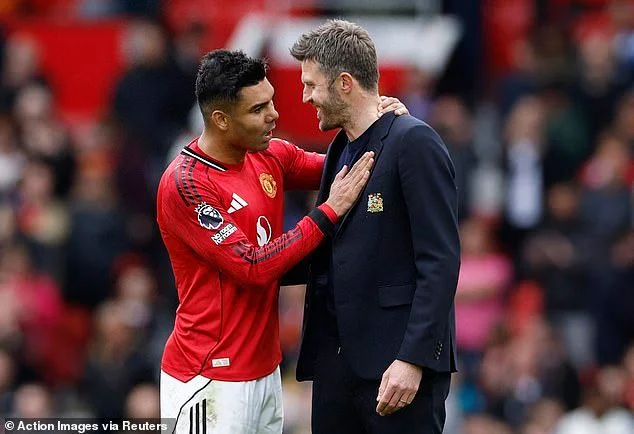
The player, who will make his final appearance at Old Trafford against Nottingham Forest, has become a key figure in the United setup, earning the adulation of the fanbase. This season alone, Casemiro has started 32 Premier League games, contributing a career-high nine goals. He reportedly views overcoming Amorim's initial assessment of him as his greatest achievement at the club, a sentiment that underpins his decision to fight for his place and eventually earn a recall to the Brazilian national team under Carlo Ancelotti.
Read More: FIFA World Cup 2026 Revenue Reaches $15 Billion With New Ticket Prices

Casemiro's own words reveal the personal stakes involved: "My young boy cries when the team loses." This emotional connection underscores his dedication and the impact of his performances on his family, a factor that clearly weighed on his time in Manchester. His distinctive "6-7" goal celebration is a personal tribute to his son Caio and daughter Sara.

Amorim's Brief Stint and Tactical Tensions
The narrative of Casemiro's resurgence is intertwined with the tenure of Ruben Amorim, whose time as Manchester United manager proved turbulent and ultimately short-lived. Amorim was sacked on January 5, 2026, after just 14 months in charge, a departure widely considered inevitable. Reports indicate a clash in tactical philosophies, with Amorim insistent on a 3-4-3 system.
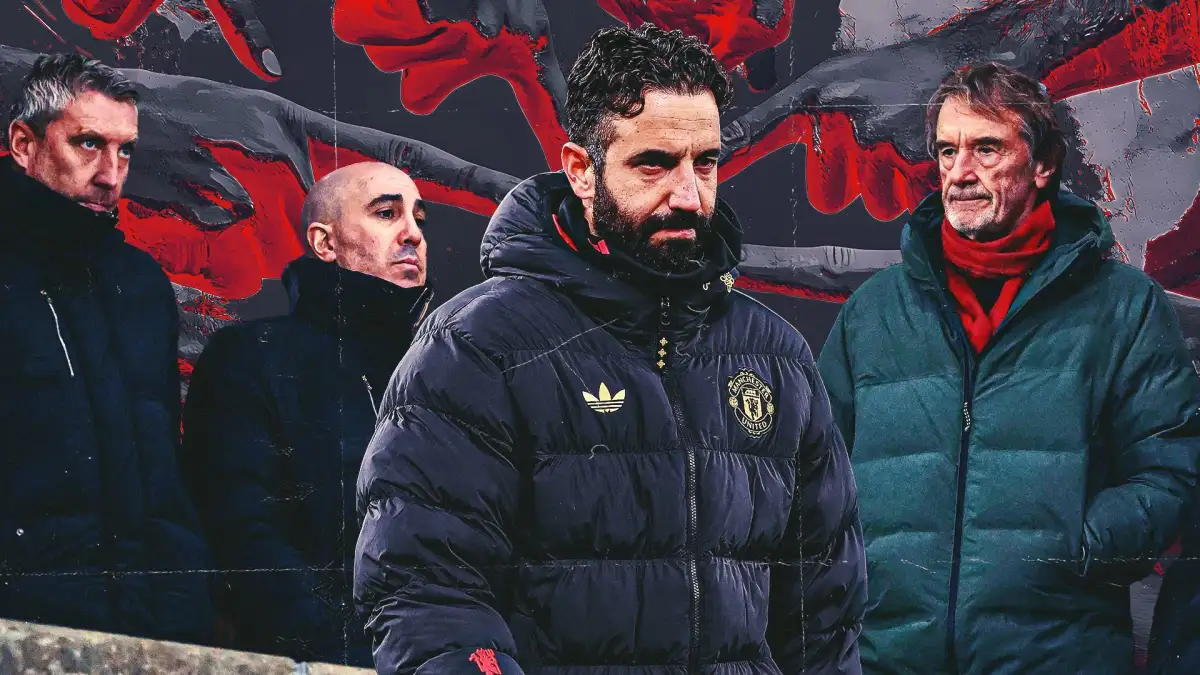
This tactical inflexibility, it is suggested, was a point of contention, particularly given that the squad lacked specialist players suited to such a formation. Amorim's approach, described by some as "hard-working" and "honest," ultimately failed to translate into consistent progress, leaving the club in a precarious league position – 11th at one point in September 2025, closer to the Champions League spots than the relegation zone, but with underlying performance data that hinted at potential rather than delivered results.
Read More: Man Utd Stalls Lewis Hall Transfer to Prioritize Midfield Signings
Strategic Shifts and Summer Decisions
The club's strategy under Amorim appeared to involve significant investment in the attacking third during the summer of 2025, with three new forwards acquired. This recruitment strategy, however, reportedly left limited resources for bolstering other areas of the squad, a decision that some, like Peter Schmeichel, deemed "very disappointing."
This focus on attacking talent may have indirectly fueled Casemiro's return to prominence, as the team perhaps relied more heavily on experienced midfielders to provide stability and dictate play. Amorim's departure signaled a clear shift in the club's long-term vision, with United stating they were "moving in a different direction" and no longer considered Amorim part of their "long-term squad evolution." The decision to part ways with Amorim was influenced by a combination of factors, including a perceived lack of progress and doubts about his tactical setup.
Read More: England World Cup Match: Pubs Open Until 5 AM Monday