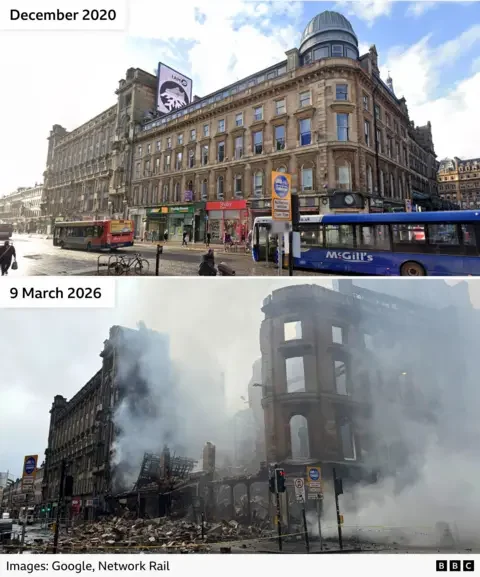
Glasgow Central Station, Scotland's busiest rail hub, is navigating a fractured reality in the wake of a significant fire. While some low-level services have resumed, the upper concourse, the artery for long-distance and key regional routes, remains firmly shut, its closure dictated by the precarious state of a neighbouring, partially collapsed Victorian building.
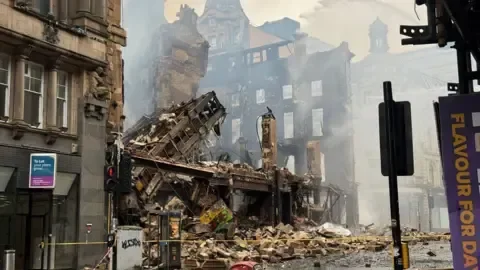
The decision to keep the high-level platforms offline for the remainder of the week stems from concerns over the structural integrity of a mid-Victorian block on Union Street, which suffered extensive damage during the blaze. Network Rail has cited the instability of the facade and the ongoing need for assessments as reasons for this extended closure. This has resulted in widespread disruption to services, including those on the Inverclyde, Cathcart Circle, East Kilbride, Kilmarnock, Ayr, Stranraer, London Euston, and Paisley Canal lines, as well as various CrossCountry destinations. Passengers are being rerouted, with Avanti West Coast trains to London Euston now operating from Motherwell or Edinburgh, and tickets for specific dates being accepted on later services.
Read More: Elizabeth Line Helps Londoners During Tube Strike on July 6
Echoes of Devastation
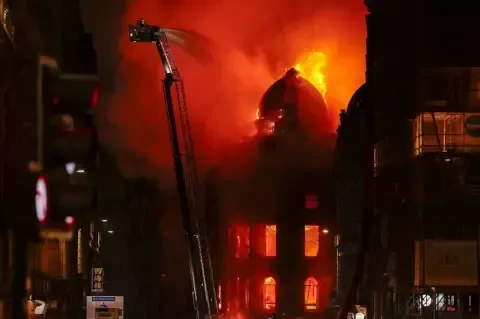
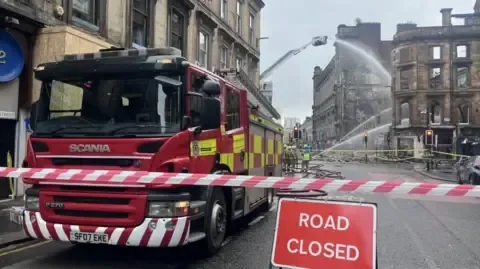
The fire, which began in a vape shop on Union Street on Sunday afternoon, rapidly engulfed an adjacent building, leading to its partial collapse. The inferno gutted the interior of the Gordon Street building, leaving only its facade standing. While no casualties were reported, the incident has had a profound impact on local businesses, with over £160,000 raised on GoFundMe to support those who lost stock and tools. The emergency response involved a considerable contingent of firefighters, with 18 appliances and specialist resources deployed at the fire's peak, and over 250 firefighters involved since the initial alarm.
A City Interrupted
The repercussions of the blaze extend beyond the station's platforms. Several key city centre roads, including Union Street, Gordon Street, West Nile Street, and Mitchell Street, have experienced closures, affecting both vehicular and pedestrian traffic. While some road restrictions have been eased, significant disruptions persist. A preliminary multi-agency investigation into the cause of the fire is reportedly underway.
Read More: Cairngorms National Park bans campfires and barbecues until September 2026

Unravelling the Disruption
Low Level Resumption: Services operating from Glasgow Central's low level have recommenced, with all three entrances to this section – one on Hope Street and two on Argyle Street – now open. This marks a partial return to normalcy for some commuters.
High Level Stasis: The main concourse and high-level platforms are expected to remain closed for the entire week, pending thorough safety and structural assessments.
Impacted Routes: Services affected include those connecting to Gourock, Wemyss Bay, Mount Florida, Muirend, East Kilbride, Kilmarnock, Ayr, Stranraer, London Euston, and Paisley Canal.
Alternative Travel: Passengers booked on specific dates are advised to use their existing tickets for later services or alternative departure points like Motherwell or Edinburgh for London-bound journeys.
Context of Collapse
The building at the corner of Union Street and Gordon Street, described as a "mid-Victorian block" and a "B-listed Victorian building," was reportedly gutted by the fire, with only its facade remaining. The intensity of the blaze and the subsequent structural compromise have necessitated the extensive closure of the station's upper level, a structure itself dating back to the mid-Victorian era. The disruption underscores the interconnectedness of urban infrastructure and the fragility of seemingly robust edifices in the face of sudden catastrophe.