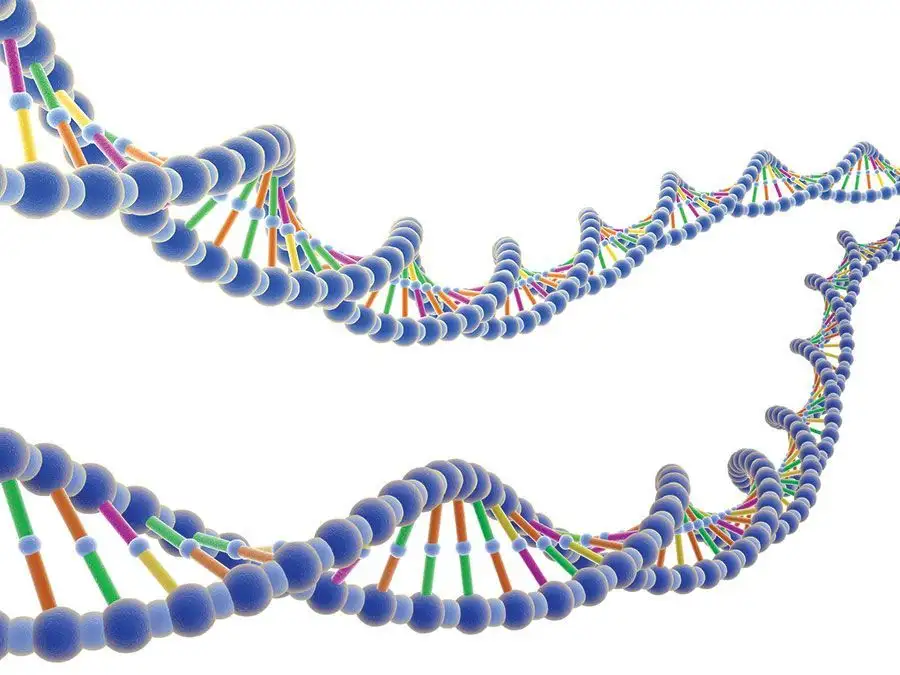
Changes in how genes operate, independent of underlying DNA sequences, are now understood to be inheritable in animals. This field, known as epigenetics, suggests that external factors and life experiences can leave a mark on gene expression that may be passed down through generations.
These modifications dictate how cells specialize, even when they possess identical genetic blueprints. From developing into liver or brain cells, this cellular differentiation hinges on epigenetic mechanisms. The implications extend to how diseases manifest and are potentially transmitted.
Environmental Influence on Heredity
Research indicates that lifestyle choices and exposure to various environmental stresses can influence not just an individual's health but also the well-being of future generations. This suggests a layer of hereditary information transmitted alongside DNA.
Parental Effects: Studies in mice have shown that motherhood triggers enduring changes in brain function, exceeding temporary hormonal responses. This points to the maternal environment shaping inheritable regulatory information.
Cancer and Epigenetics: Some epigenetic changes are linked to an increased risk of cancer. Additionally, pathogens can alter epigenetics, potentially weakening the immune system.
Drug Tolerance in Cancer: Specific epigenetic markers, like those involving the KDM5 family of proteins, are consistently associated with tumor diversity and resistance to treatments in cancers such as melanoma, breast cancer, and glioblastoma.
The Epigenetic Landscape
Epigenetics offers a new perspective on heredity, distinct from traditional genetics. While genetics focuses on the DNA sequence itself, epigenetics examines how that sequence is read and utilized.
Read More: Indigenous Data Rights Now Key in Conservation Genomics
Cell Specialization: Epigenetic modifications are crucial for the development of specialized cells from a single fertilized egg.
Life-Long Changes: An individual's epigenetics are not static; they evolve throughout life.
Potential for Intervention: Understanding epigenetic mechanisms holds promise for biomedicine, offering new avenues for research and potential therapeutic strategies.