The Greater Cochin Development Authority (GCDA) faces a significant legal impasse regarding its role in the Infopark Phase III expansion project in Kizhakkambalam. Despite earlier government authorization, the Advocate General has recently issued a legal caution against the authority operating outside its defined jurisdiction, effectively pausing the initiative just as the 2026 Assembly elections process began.

The core of the conflict rests on the GCDA acting as an "appropriate authority" for land located outside its official boundary.
Legal advisors warn that executing land pooling schemes in areas beyond a body's statutory reach creates long-term structural risks for the project.
Current procedures rely on a model where landowners contribute plots to be returned after value enhancement; however, the lack of legislative alignment with existing Town Planning Acts continues to invite potential litigation.
| Project Status | Key Complication |
|---|---|
| Infopark Phase III | Jurisdiction overlap in Kizhakkambalam |
| Legal Basis | Land Pooling Rules vs. Statutory limits |
| Authority | GCDA challenged by legal counsel |
Procedural Context and Historical Shift
The Infopark Phase III project was intended to serve as a landmark case for the state, utilizing participatory land assembly to bypass the friction of compulsory acquisition. Initially, the Local Self Government Department (LSGD) had bypassed boundary limitations through a special order in July 2025, allowing the GCDA to identify and survey 300 acres of land.

The mechanism was designed to grant 100 acres to the IT park while developing the remaining 200 acres with core infrastructure, returning a portion to original owners. This model was heavily influenced by precedents like the Amaravati project, aimed at increasing non-aero and commercial revenue across Kochi.
Read More: North Epping house sells for $2.28 million on 6 April 2026

Ongoing Challenges
Beyond the Infopark initiative, the GCDA remains under pressure regarding internal administrative oversight. Recent reports indicate public frustration over the body's inability to resolve structural maintenance in projects like the Mundamveli apartments, where technical committee delays have halted necessary repairs.
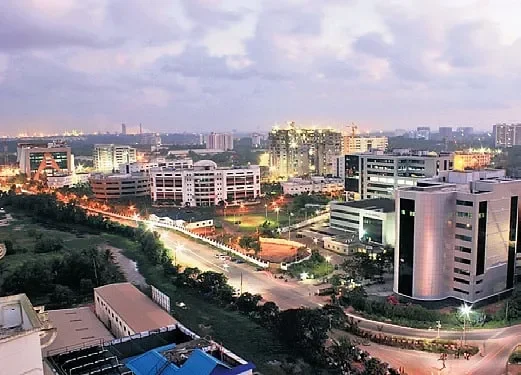
The current legal resistance suggests that without a formal amendment to the Town Planning Act—a move the government previously deemed unnecessary—the Land Pooling model remains vulnerable to the shifting landscape of regional politics and state administrative law.