Escalating Costs at the Pump
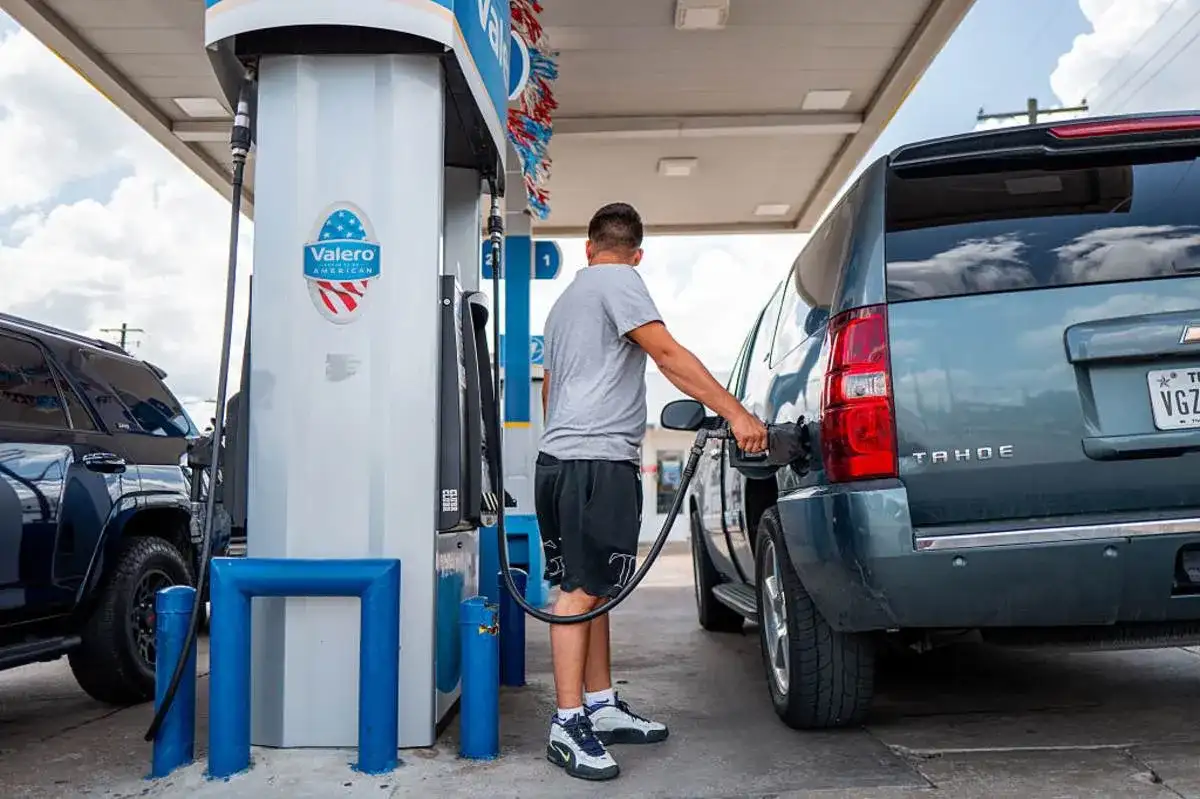
Gasoline prices have seen a sharp increase of 11% over the past week, with the average gallon costing 26 cents more. Diesel fuel has also climbed, jumping 40 cents in the same timeframe. This escalation is attributed, in part, to disruptions in global oil supply stemming from the ongoing conflict involving Iran. Consumers across the United States are now contending with significantly higher refueling costs compared to just seven days prior.

Regional Disparities and Structural Factors
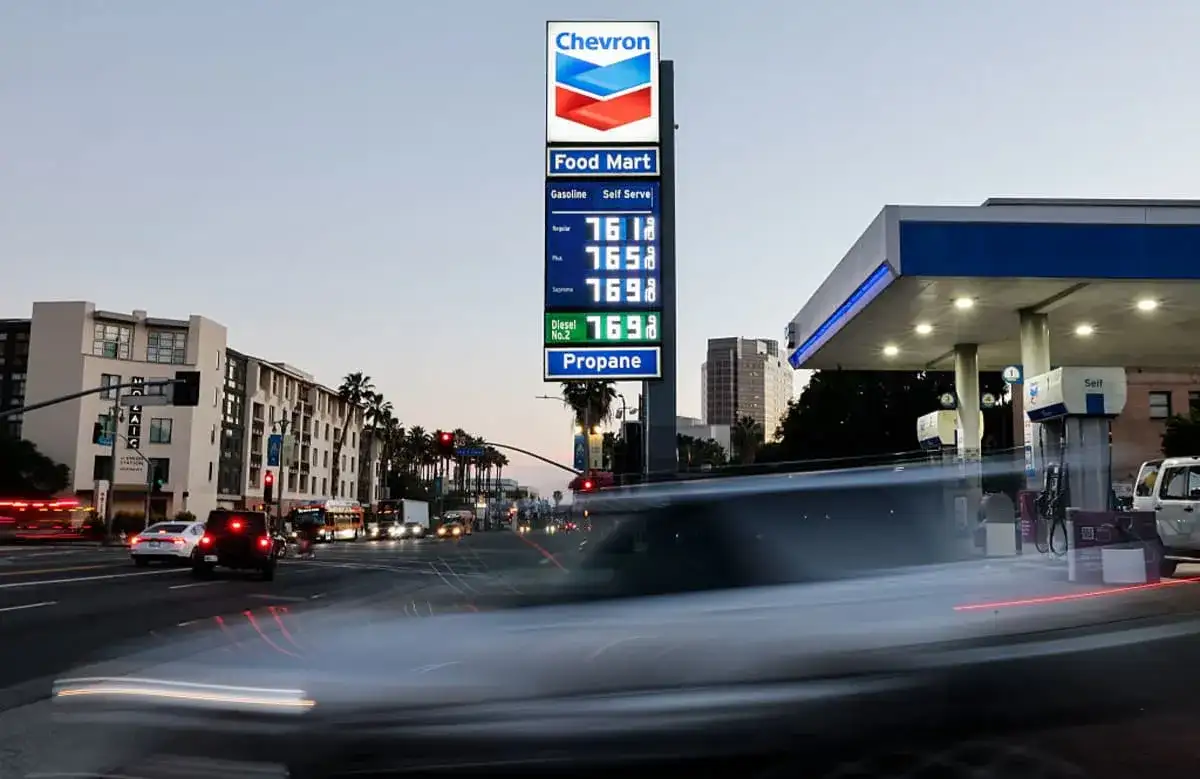
The impact of these rising prices is not uniform across the nation. Significant variations exist in what drivers pay, influenced by a complex interplay of state-level taxes, production methods, and distribution networks. States like California, for instance, mandate specific, cleaner-burning gasoline blends, which are produced by a limited number of refineries. These 'structural differences' contribute to higher costs, a phenomenon observed even before the current surge.
Read More: Middle East War Causes Fuel Panic Buying in Western Australia
Presidential Remarks and Economic Outlook
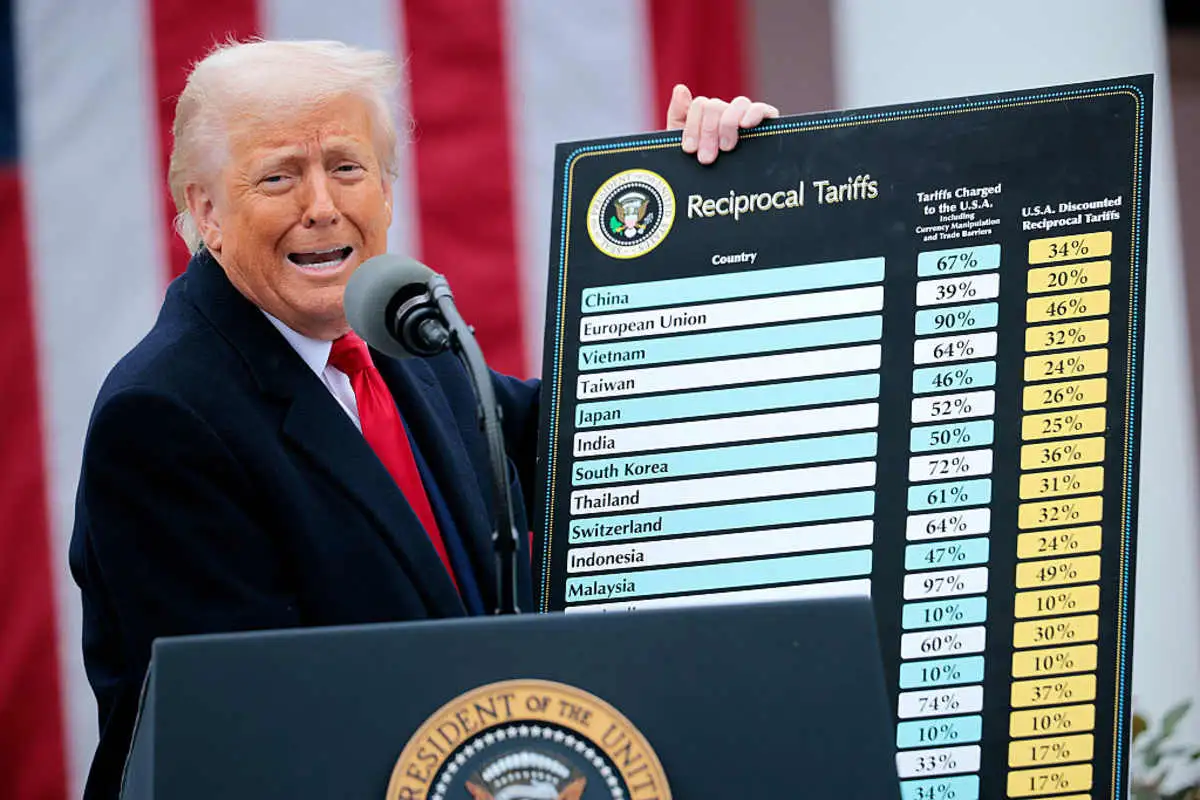
Amidst this upward trend, President Donald Trump has offered a seemingly detached perspective. He has stated that rising gas prices are not a primary concern, prioritizing military operations over immediate consumer cost relief. "If they rise, they rise," he remarked, suggesting an expectation that prices would recede once the conflict concludes. This contrasts with previous pronouncements highlighting low gas prices as an economic achievement of his administration.
The Role of Domestic Production
While the United States boasts unprecedented domestic oil production, which has mitigated even larger price hikes during past market disruptions, the global nature of oil trading remains a critical factor. A substantial portion of American oil is exported, and a significant amount is also imported, underscoring the country's integration into the international market. Even with robust domestic output, the US cannot entirely insulate itself from global price fluctuations.
Read More: Great Britain Energy Bills Drop April 1st But Toaster Costs Still High

Inflationary Context
It is worth noting that while current prices may seem high, when adjusted for inflation, gasoline costs have historically been substantial. This suggests that perceptions of affordability can be influenced by broader economic conditions and the purchasing power of currency over time.
Background: The Global Oil Market
The price of oil, and consequently gasoline, is a function of complex global supply and demand dynamics. Geopolitical events, particularly those affecting major oil-producing regions or key transit routes like the Strait of Hormuz, can trigger immediate price reactions. Domestic production levels, refinery capacity, and regulatory environments further shape the landscape of fuel costs for consumers.