
The Samsung Galaxy S26 Ultra represents a departure from iterative specification bumps by introducing a hardware-level 'Privacy Display'. This feature functions by physically disabling specific wide-angle pixels to narrow the screen’s viewing angle, rendering content visible only to the direct user.
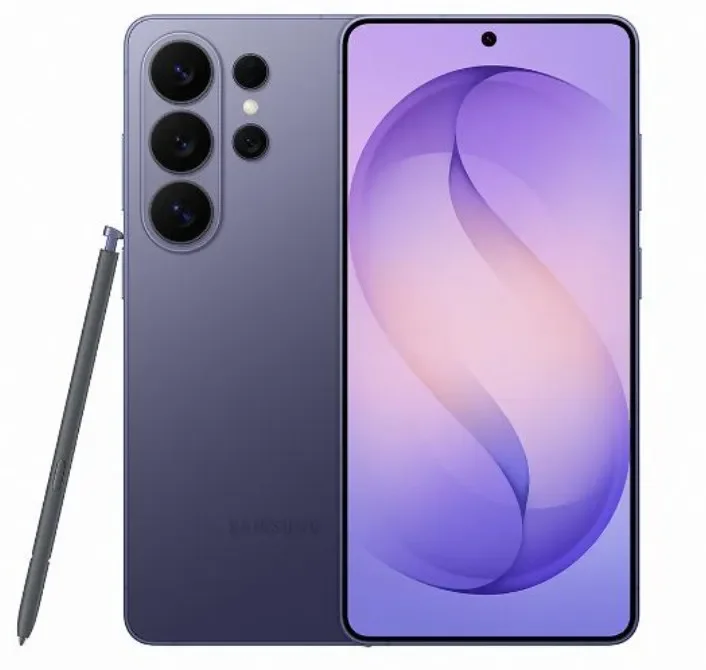
Core trade-offs include a mandatory reduction in brightness and contrast when the privacy mode is engaged, effectively limiting outdoor utility.
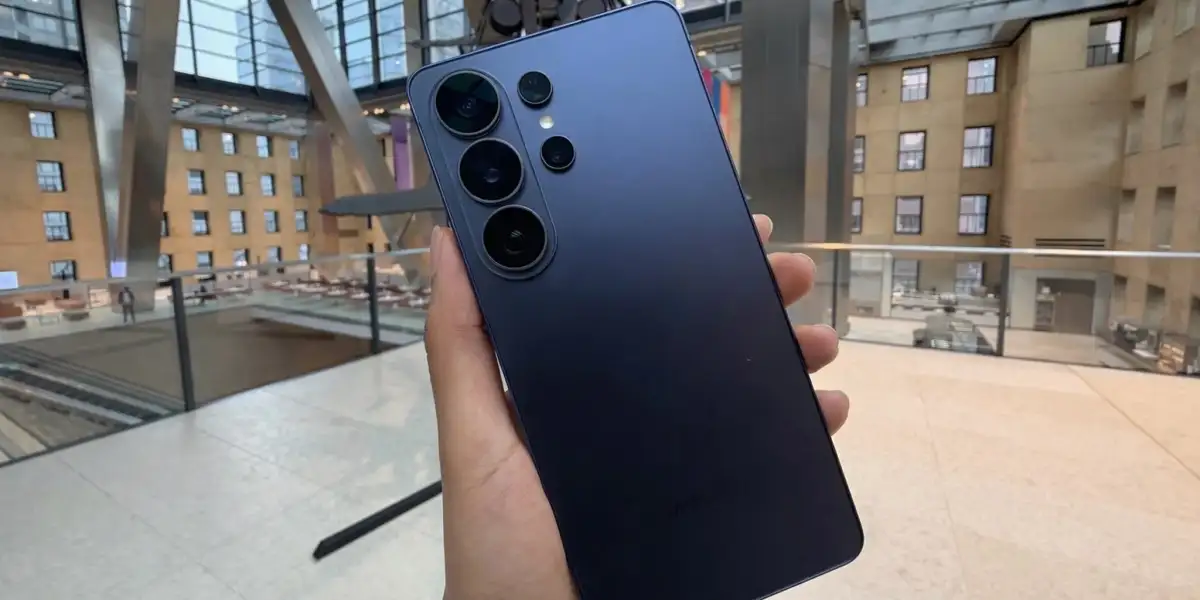
| Feature | Specification / Impact |
|---|---|
| Privacy Hardware | Pixels shut off to restrict visibility |
| Physical Design | 7.9mm thickness (reduced from 8.2mm) |
| Core Processor | Qualcomm Snapdragon 8 Elite Gen 5 |
| Charging | Certified fastest wired charging in CNET tests |
Technical Limitations and Performance
While the device markets itself through AI integration, the tangible value proposition remains rooted in physical display architecture. Independent testing confirms that even with the privacy function deactivated, the display exhibits inferior viewing angles compared to the standard S26 models. The camera suite—retaining the 200MP main, 50MP ultrawide, and dual telephoto configuration—functions as an incremental refinement of previous iterations rather than a fundamental imaging overhaul.
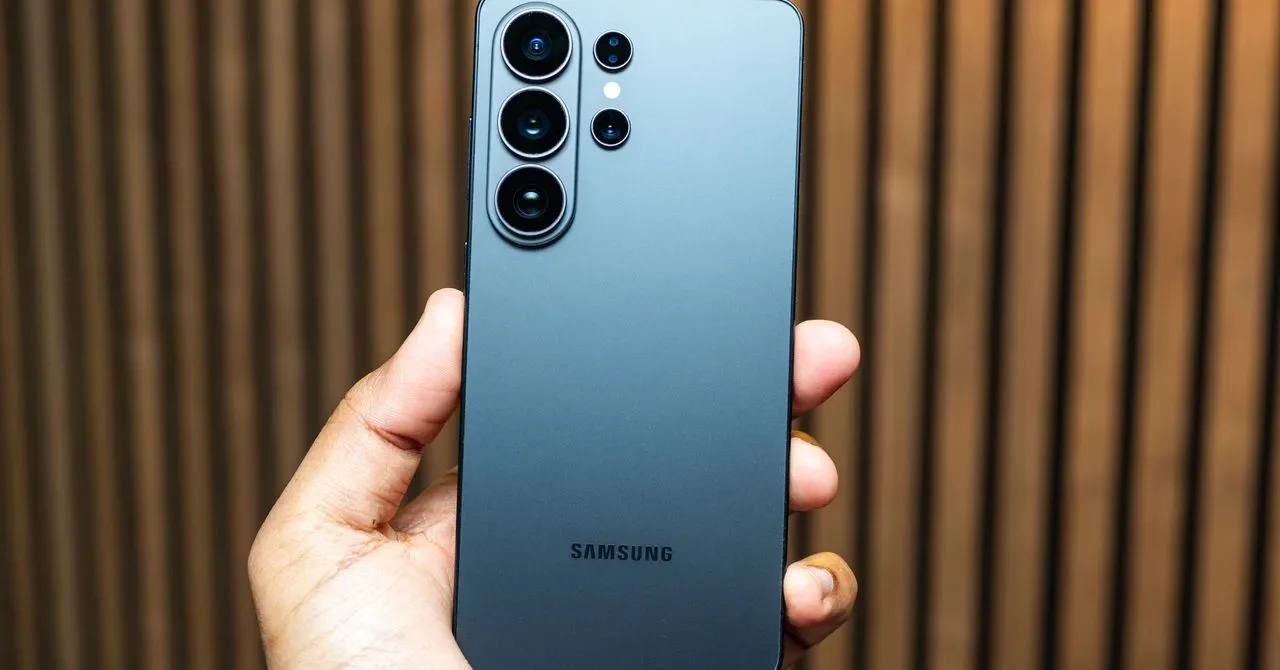
Design Shift: The transition to an aluminum frame and a thinner chassis suggests a priority on ergonomics.
Imaging: Improvements in night-time aperture capture exist, yet raw output remains largely parallel to the S25 series.
Software Reliance: Marketing heavily emphasizes AI tools, though many are software-side enhancements rather than breakthroughs in mobile hardware capabilities.
Investigative Perspective: Hardware vs. Software
The S26 Ultra reflects a current industrial tension between digitizing every function via AI algorithms and maintaining physical security boundaries. By shifting the burden of privacy from software filters—which can be bypassed or manipulated—to the pixel structure of the OLED panel itself, Samsung attempts to solve a human problem with physical architecture.
Read More: Chrome mimeHandler API lets extensions handle file types
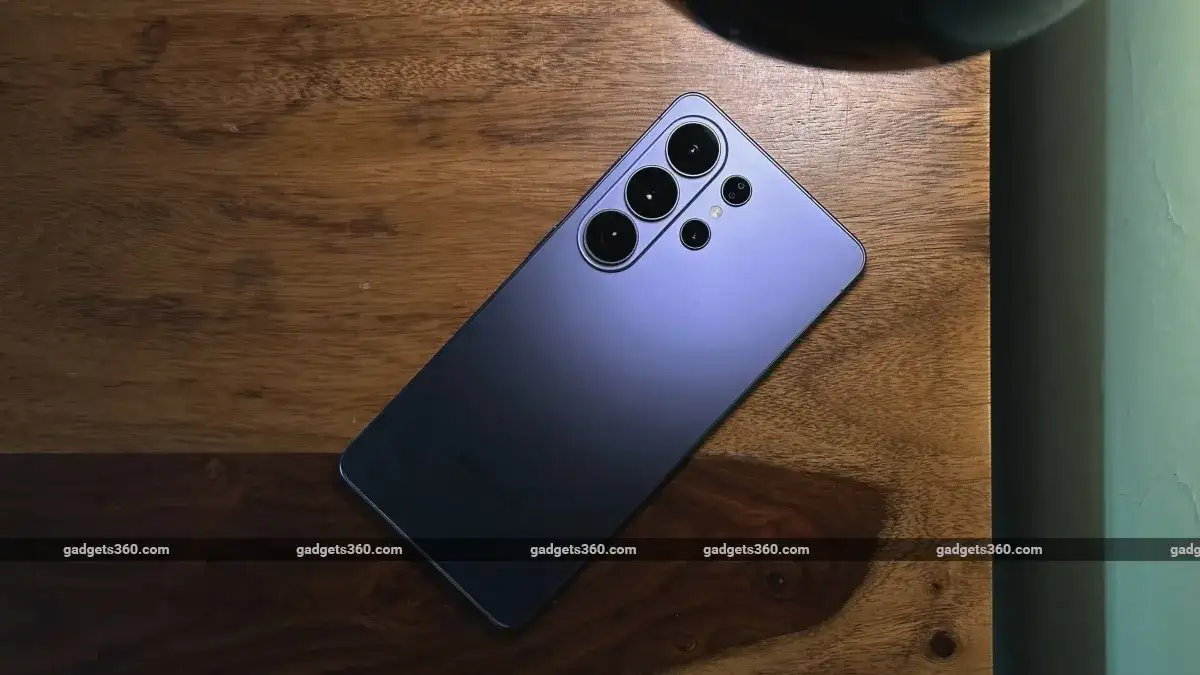
However, this decision imposes a 'hard cost' on the user experience. By sacrificing luminosity and color reproduction to achieve visual anonymity, the device creates a binary choice: high-performance viewing or high-privacy operation. For the average user, the S26 Ultra functions as a refinement of the preceding models, with the display acting as the sole differentiator in a market saturated by identical feature sets. As of today, the device occupies a niche for those who view surveillance-proof interaction as a primary hardware necessity rather than a software convenience.