The Great American State Fair, a Freedom 250 initiative intended to mark the United States’ 250th birthday, faces structural and logistical failure as it nears its second week. Located on the National Mall, the event has struggled with low attendance, localized power grid failures, and the absence of official delegations from states including Connecticut, Massachusetts, and North Carolina.
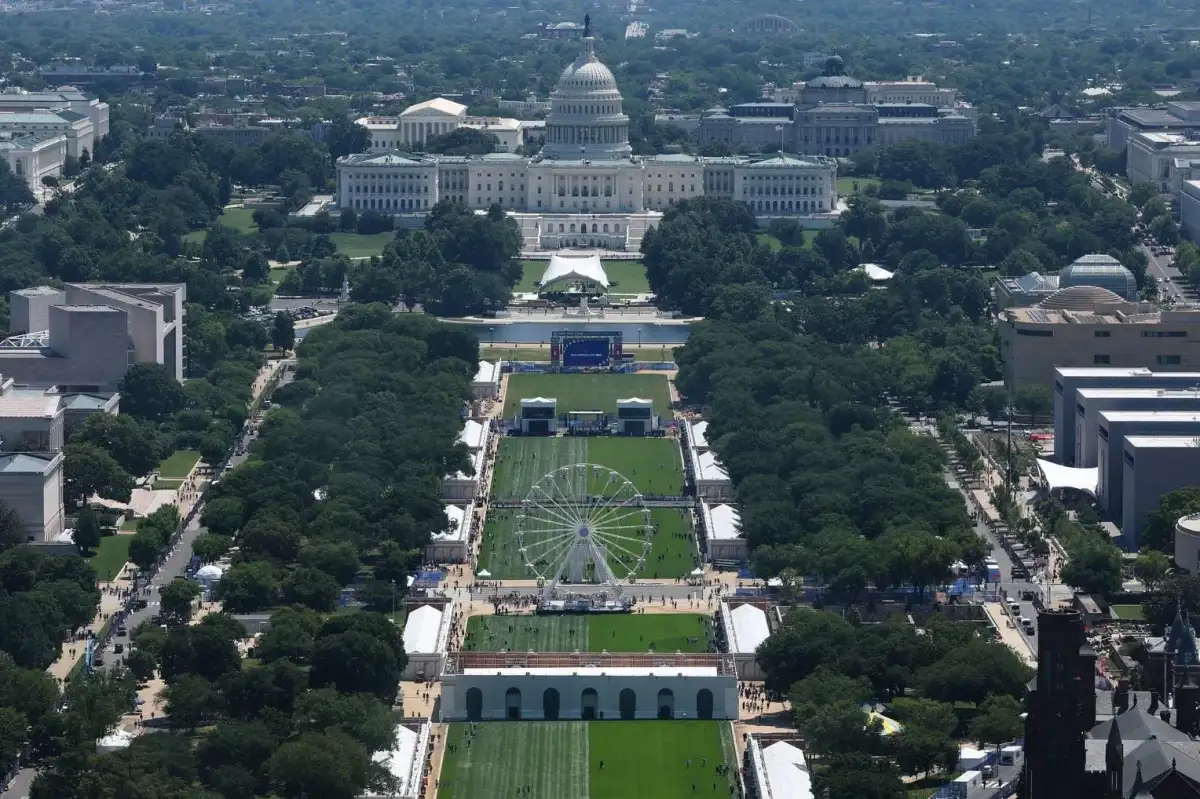
The fair’s attempt at national synthesis has devolved into a series of technical disruptions and cultural friction, with reports of near-empty exhibition spaces and persistent electrical instability leading to service closures.
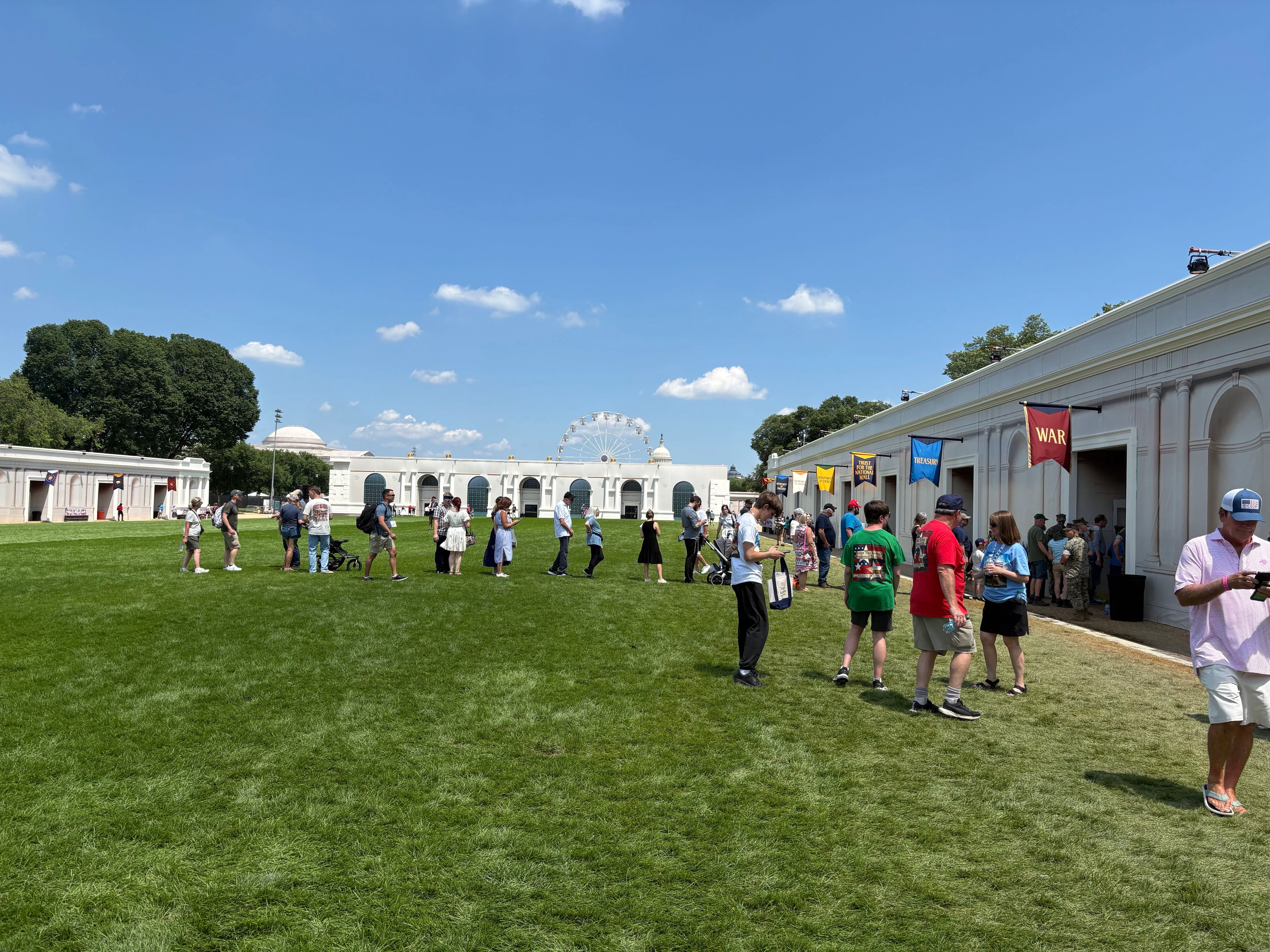
Logistical Erosion and Empty Booths
The scale of the project, initially marketed as a "World's Fair-sized celebration," has failed to manifest in practice. Observed realities on the ground contradict initial projections of massive foot traffic:
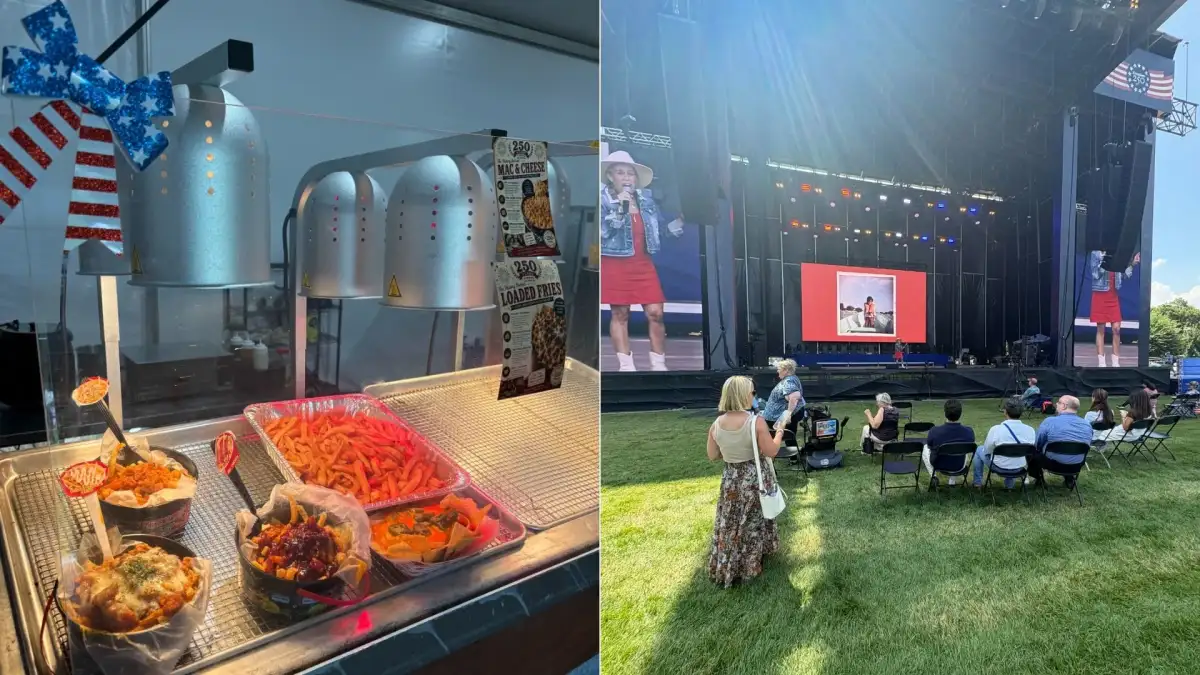
Infrastructure: Frequent "power hiccups" have rendered equipment unusable, forced early closures of specific state pavilions like West Virginia, and melted food supplies.
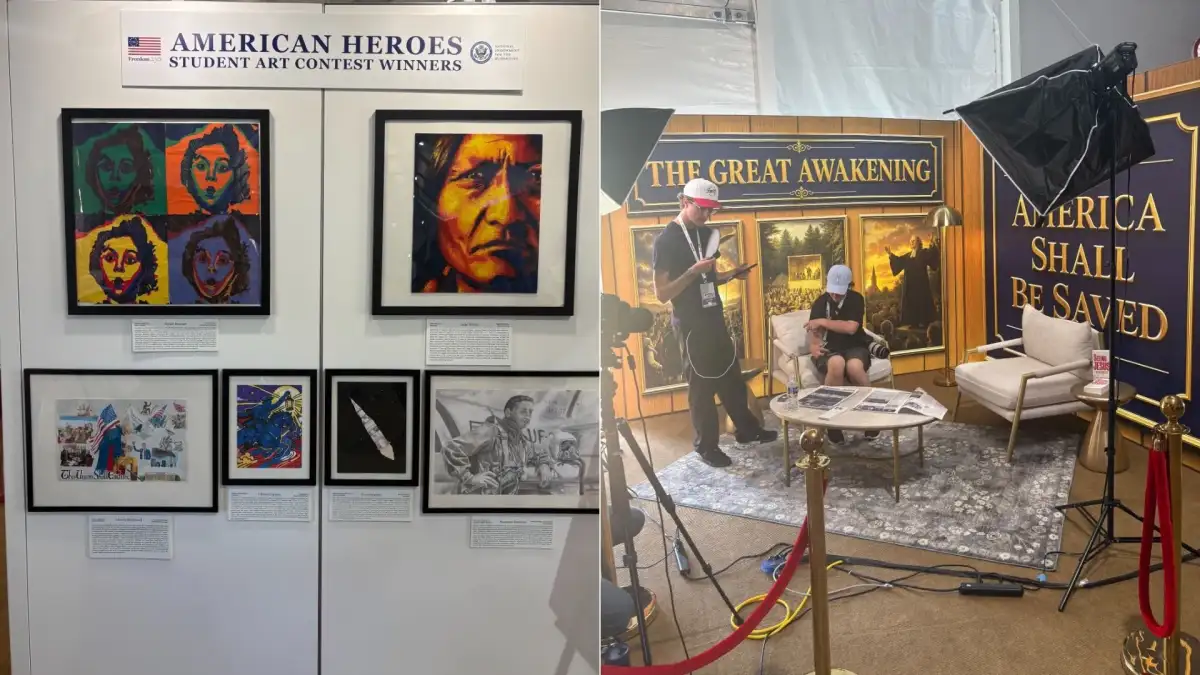
Representation: Several state booths remain either completely vacant or unmanned, leaving visitors to wander past empty chairs and decorative walls rather than substantive displays.
Controversy: The unauthorized display of the Confederate flag alongside current state banners has prompted direct rebukes from state leadership, notably from Governor Josh Stein of North Carolina.
A Carnival of Marginalization
Beyond the technical malaise, the event has attracted a heavy concentration of evangelical missionaries, who are reported to be present in numbers potentially exceeding the remaining pool of prospective fairgoers. The presence of these groups, paired with the overt political branding of the fair, has alienated the broad, bipartisan participation originally claimed by organizers.
Read More: Great American State Fair on National Mall faces low turnout July 2026
| Aspect | Projected Intent | Current Observed Reality |
|---|---|---|
| Attendance | "Thousands" / High volume | "Relatively sparse," "virtually deserted" |
| State Support | All 50 states represented | Multiple states opted out/withdrew |
| Infrastructure | Fully operational exhibition | Intermittent power, AC failures |
Investigative Context: The "Freedom 250" Strategy
The event, organized under the Freedom 250 banner, was framed as a nonpartisan, unifying birthday celebration for the nation. However, the reliance on an overtly partisan political figure—Donald Trump, who is scheduled for an appearance on July 4—has rendered the fair a flashpoint for regional and ideological dissent rather than a cohesive state-sponsored display.
The skepticism regarding the fair's viability is not merely a critique of its turnout but a symptom of a deeper fracture. When state governments decline to staff their own allotted booths due to "budget constraints or scheduling issues," it suggests a total collapse of the federal-state compact required for such a celebration to function as intended. As the event continues its 16-day schedule, the primary narrative surrounding the "Great American State Fair" remains defined by its lack of institutional support and its status as a social media focal point for ridicule rather than national unity.
Read More: Sail4th 250 ends in NY and NJ after 46 nations join naval parade