European equities saw substantial declines, mirroring a global trend of falling stock values, driven by escalating conflicts and trade disputes that threaten economic stability and global commerce. Traditional safe-haven assets, like the dollar, have seen increased demand as investors seek refuge from the perceived risks. Sectors such as industrials and consumer goods have been particularly affected, signaling broader concerns about trade disruptions and inflationary pressures.

Markets are grappling with a confluence of significant events, primarily the expansion of the US-Israeli conflict with Iran and the ongoing tariff escalations between the US and China. These twin pressures have created an environment of intense volatility, leading to sharp sell-offs across major stock exchanges in Europe and globally. The conflict in the Middle East is raising alarms about potential disruptions to vital trade routes, while the trade disputes introduce uncertainty regarding global economic policies and their impact on key industries.
Read More: New Coursera Money and Banking Course Offers Emerging Market Examples

The economic fallout is palpable. European stocks experienced some of their worst single-day performances in months, with specific reports highlighting the largest declines since March 2020. This market reaction suggests a shift from an "orderly selloff" to what some analysts are describing as panic. The yield on UK government bonds, known as gilts, has seen a notable surge, indicating a growing apprehension among investors.

"Much will depend on the price of oil," a sentiment echoed by market observers, highlighting the interconnectedness of geopolitical events and economic indicators.
Sectors perceived as more sensitive to global trade disruptions, such as luxury goods and industrials, have faced heavy losses. Conversely, some traditional safe havens have gained traction, with assets like the US dollar attracting significant investment flows. Policymakers appear to be contemplating coordinated responses to these market pressures.

The situation is compounded by concerns over inflation, with a lack of immediate central bank intervention adding to investor unease. This has fueled a surge in demand for safe-haven assets, further impacting the equities market.
Read More: EU Investigates Broadcom's VMware Partner Changes After Cloud Provider Complaint
Background: A Landscape of Uncertainty
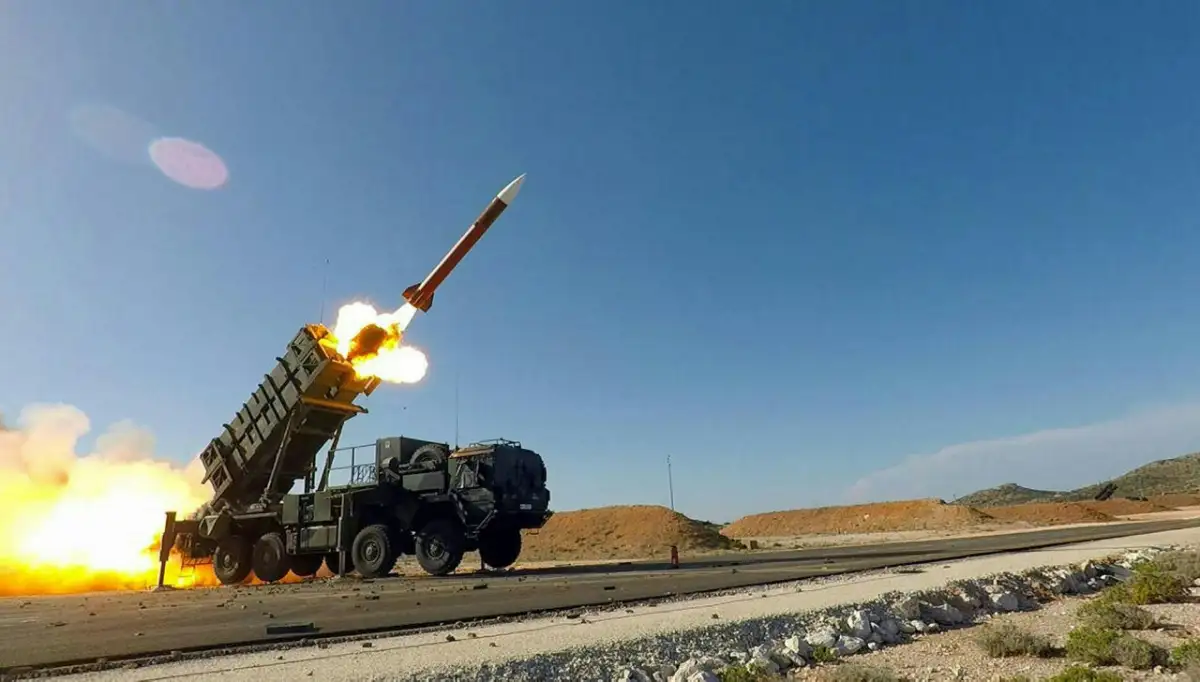
The recent market turbulence is rooted in a series of escalating global events. The military actions involving Iran have intensified, with reports of missile strikes on bases and statements from US officials underscoring a firm stance against Iran's nuclear ambitions. This expansion of conflict in a strategically vital region naturally casts a shadow over global trade and energy security.
Simultaneously, trade relations between the United States and China have deteriorated further, marked by escalations in tariffs. The European Union is also preparing to implement its own tariffs on US imports, signaling a widening web of trade friction. These actions have prompted discussions about countermeasures and have led to a general climate of uncertainty for businesses operating on an international scale.
European policymakers are reportedly discussing potential retaliatory measures.
Amidst these geopolitical and trade-related uncertainties, other economic factors, such as uncertainty surrounding interest rate cuts, have also contributed to market fluctuations. While some economic indicators, like the growth of the British economy, have shown resilience, the broader sentiment appears to be one of caution and risk aversion, driving investors toward established safe havens.
Read More: Migrant Workers Send Money Home, Delaying Own Savings