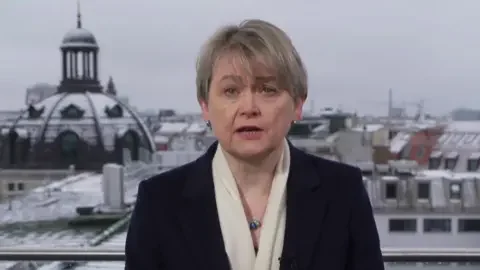
European leaders are strongly disagreeing with recent United States assessments that suggest the continent is on a path toward "civilizational erasure." This divergence of views, particularly voiced at the Munich Security Conference, highlights differing perspectives on Europe's identity, future trajectory, and the nature of the trans-Atlantic alliance. While U.S. officials have presented reports and speeches outlining concerns about Europe's internal policies and their impact on its strength and alliances, European counterparts are pushing back, defending their societies and asserting their resilience.
Context: A Clash of Narratives on Europe's Future
Recent events have brought to the forefront a debate about the state of Europe and its relationship with the United States. A U.S. National Security Strategy document, published in early December 2025, contained stark warnings about Europe facing "civilizational erasure" if current trends continue. This document suggested that within two decades, Europe could become "unrecognizable" and that some NATO members might struggle to remain strong allies. The report’s observations, which pointed to sluggish economies, alleged undermining of political liberty and sovereignty, censorship, suppression of opposition, and migration policies, have been a key point of contention.
Read More: Obama Says Aliens Likely, But Not Hidden at Area 51
This U.S. stance was further amplified at the Munich Security Conference. While U.S. Secretary of State Marco Rubio offered a message intended to be reassuring about the trans-Atlantic alliance's enduring ties, his tone was noted as firm regarding Washington's intent to reshape the alliance and advance its policy priorities. This followed a more critical tone from Vice President J.D. Vance at the same gathering the previous year, who had lectured European allies.
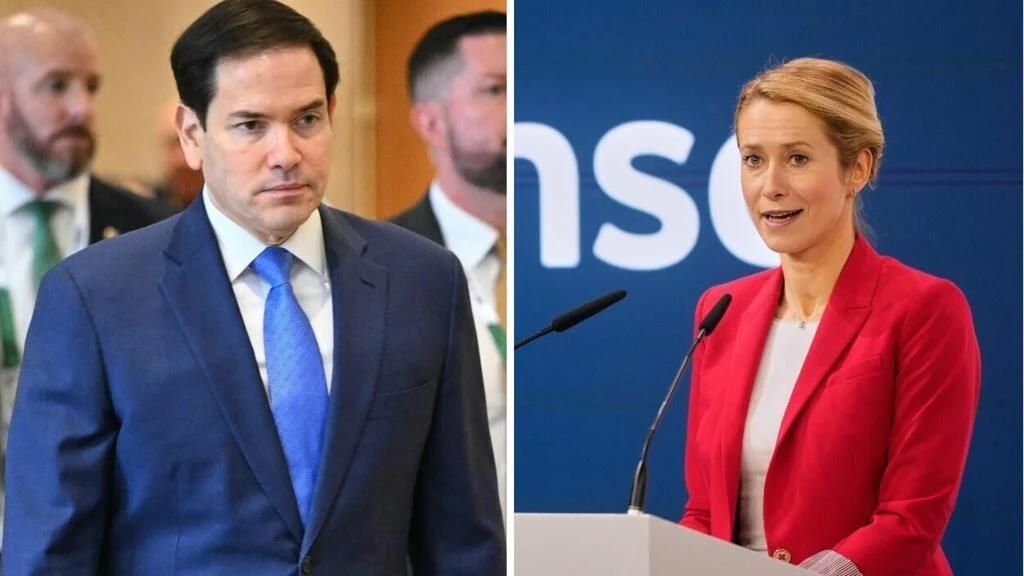
In direct response, Kaja Kallas, the EU's foreign policy chief, speaking at the Munich conference, explicitly rejected the notion of "woke, decadent Europe" facing "civilizational erasure." She emphasized the enduring connection between America and Europe, stating it was "very hard for me to believe these accusations." British Prime Minister Keir Starmer also contributed to the discussion, advocating for the defense of Europe's "vibrant, free and diverse societies" as a source of strength.
Evidence: Official Statements and Reports
U.S. National Security Strategy Document (December 2025): This document, posted on the White House website, is the primary source for the claim of "civilizational erasure."
It posits that Europe faces "civilizational erasure" and must change course to remain a reliable ally.
The strategy suggests it is "more than plausible" that some NATO members could become "majority non-European" within decades.
It accused the EU of undermining political liberty and sovereignty, censoring free speech, suppressing political opposition, and pursuing migration policies leading to continental transformation.
The document's stated goal was to "help Europe correct its current trajectory" and "work with aligned countries that want to restore their former greatness."
Statements at the Munich Security Conference (February 2026):
Kaja Kallas (EU Foreign Policy Chief): Directly countered the U.S. claims, stating, "Contrary to what some may say, woke, decadent Europe is not facing civilizational erasure." She stressed the interconnectedness of the U.S. and Europe.
Marco Rubio (U.S. Secretary of State): While offering a reassuring message about the trans-Atlantic era not ending, he maintained a firm tone on reshaping the alliance and pushing U.S. policy priorities. He stated, "our home may be in the Western hemisphere, but we will always be a child of Europe."
Keir Starmer (British Prime Minister): Called for Europe to defend its "vibrant, free and diverse societies" as a strength.
Reactions from European Officials:
Benjamin Haddad (France's Minister for European Affairs): Emphasized the need for increasing European independence and focusing less on U.S. pronouncements, instead bolstering European capabilities.
Divergent Views on Trans-Atlantic Strategy
The U.S. National Security Strategy document, and the sentiments it reflects, appears to aim at prompting a significant shift in European policy.
Read More: Five European Countries Say Navalny Was Poisoned, Blame Russia
U.S. Perspective: The strategy outlines a U.S. desire for Europe to correct its current trajectory, implying a perceived deviation from a desired path.
Specific concerns cited include economic performance, political liberties, sovereignty, freedom of speech, and migration policies.
The document suggests a strategic interest in the "character" of European nations, aiming to restore them to "former greatness" to ensure they remain "reliable allies."
European Counterpoint: European leaders, like Kaja Kallas, view these criticisms as unfounded and a form of "European-bashing."
They highlight the historical and ongoing strength of the trans-Atlantic relationship.
Kallas's assertion that it's "hard to believe these accusations" suggests a rejection of the premise underlying the U.S. concerns.
France's Minister for European Affairs, Benjamin Haddad, implicitly argues for European self-reliance, suggesting a need to reduce dependence on U.S. perspectives and focus on internal strength.
Defense of European Identity and Diversity
European leaders have framed their societies as diverse and strong, directly challenging the narrative of decline.
Read More: UK Says Russia Used Frog Toxin on Alexei Navalny

Kaja Kallas: Used the terms "woke" and "decadent" in quotes, seemingly to distance herself from and dismiss the labels used by critics, before asserting that Europe is not facing erasure.
Her focus is on refuting the specific claims of decline rather than engaging with the U.S. vision for alliance reshaping.
Keir Starmer: Presented a vision of Europe that thrives on diversity and peaceful coexistence among different peoples.
He explicitly stated that this diversity is not a weakness but a source of strength, directly countering the implication that internal changes might be needed for robustness.
U.S. Reassurance vs. Underlying Intent
While U.S. Secretary of State Marco Rubio offered a more conciliatory message regarding the enduring alliance, the underlying U.S. objectives remain evident.
Rubio's Overt Message: He sought to reassure allies that an end to the trans-Atlantic era is not the goal and expressed a continued connection to Europe.
This aimed to soften the impact of previous critical statements and documents.
Underlying U.S. Policy Push: Despite the reassuring words, U.S. officials maintained a "firm tone on Washington’s intent to reshape the trans-Atlantic alliance and push its policy priorities."
This suggests a continued U.S. agenda to influence European development, even if the rhetoric becomes less confrontational.
Conclusion: An Alliance at a Crossroads
The recent exchange between U.S. officials and European leaders reveals a significant rift in perspectives concerning Europe's present condition and future direction. The U.S. National Security Strategy document’s alarming claims of "civilizational erasure" have been met with strong rebuttals from prominent European figures, who are defending their societal models and the value of diversity.
Read More: US May Offer Home to Man Who Burned Quran in UK
While U.S. Secretary of State Rubio has attempted to reassure allies about the enduring trans-Atlantic bond, the persistent U.S. emphasis on reshaping the alliance and pushing its policy priorities indicates that these underlying objectives remain. European leaders, conversely, appear to be prioritizing their own agency and the strength derived from their diverse societies, suggesting a growing European emphasis on independence and self-determination in foreign policy matters. The continued dialogue, particularly on issues of security, economic policy, and societal values, will be critical in navigating these diverging viewpoints and defining the future of the trans-Atlantic relationship.
Sources:
AP News: https://apnews.com/article/munich-conference-europe-trump-rubio-kallas-0efc0b3d464f118e3e5d6748113c9271
Fortune: https://fortune.com/2026/02/15/eu-foreign-policy-chief-kaja-kallas-munich-security-conference-woke-decadent-europe-civilizational-erasure/
France 24: https://www.france24.com/en/europe/20260215-europe-bashing-eu-top-diplomat-kallas-rejects-us-talk-civilisational-decline
USA Today: https://www.usatoday.com/story/news/world/2025/12/05/europe-erasure-national-security-report-trump/87622486007/
China Daily: https://europe.chinadaily.com.cn/a/202512/08/WS69362dfaa310d6866eb2d624.html
Read More: UK and Allies Say Russia Poisoned Navalny with Frog Toxin