Tensions rise as five European countries have publicly stated that Russian opposition leader Alexei Navalny was poisoned, attributing his death to the Kremlin. This assertion, particularly regarding the substance used and the alleged involvement of Russian state actors, escalates existing international friction surrounding Navalny's demise in an Arctic penal colony. His widow, Yulia Navalnaya, has consistently pointed to President Vladimir Putin, a claim Russian officials have firmly rejected.
Background and Timeline
Alexei Navalny, a prominent critic of official corruption and a leader of large anti-Kremlin protests, died on February 16th in an Arctic prison. His imprisonment followed his return to Russia in 2021, where he was immediately arrested and subsequently served the final three years of his life under a 19-year sentence he maintained was politically motivated. Earlier, in 2020, Navalny was flown to Germany for treatment after an incident, during which his family and supporters believed he had been poisoned.
Read More: California Economy Now 4th Largest in World, Passes Japan
The core of the current assertions by European nations rests on the alleged use of a specific toxin and the attribution of responsibility to Russian state entities.
European Nations' Stance
Five European nations have jointly presented their assessment that Alexei Navalny's death resulted from poisoning.
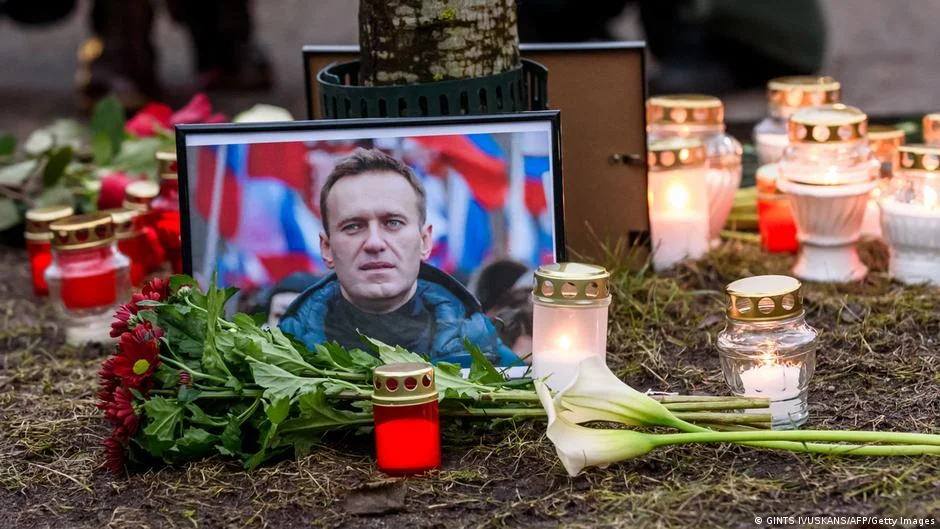
The specific toxin identified is reported to be epibatidine, a substance derived from dart frogs.
These nations have expressed a high degree of confidence in this assessment.
The United Kingdom has previously accused Russia of repeatedly disregarding international prohibitions on chemical and biological weapons.
Navalnaya's Accusations
Yulia Navalnaya, the widow of Alexei Navalny, has been a consistent voice in attributing her husband's death to state actions.
She has repeatedly blamed President Vladimir Putin for Navalny's death.
Last year, she stated that two independent laboratories had found evidence suggesting her husband was poisoned shortly before his death.
Russian Rebuttals
Russian officials have vehemently denied the allegations made by Navalnaya and the European nations.
Russia has not officially acknowledged any poisoning of Alexei Navalny.
The Kremlin has consistently rejected claims of state involvement in opposition figures' deaths or illnesses.
International Reactions and Implications
The declarations from the five European countries introduce a significant new element into the ongoing geopolitical tensions between Russia and Western nations.
The accusations, particularly concerning the use of a specific poison, could lead to further diplomatic consequences or sanctions.
The U.K.'s past accusations of Russia's non-compliance with chemical weapons bans provide a broader context for these new allegations.
The assertion of a specific poison and direct blame to the Kremlin by multiple European nations signifies a hardening of international resolve in the aftermath of Navalny's death.
Sources Used:
PBS NewsHour: Article details the poisoning claim, naming epibatidine and citing five European nations and the UK's broader concerns about chemical weapons.
CNBC: Reports on the five European nations' assertion of poisoning and blame on the Kremlin, including Yulia Navalnaya's previous statements and Navalny's legal situation.