Tensions rise as the United States government contemplates offering asylum to an individual prosecuted in the United Kingdom for burning a Quran, a case that has ignited a debate about free speech versus public order. The U.S. administration's potential involvement underscores the international implications of the matter, with the protester suggesting he may seek refuge in the U.S. should his legal challenges in the U.K. fail.
Background of the Incident and Legal Proceedings
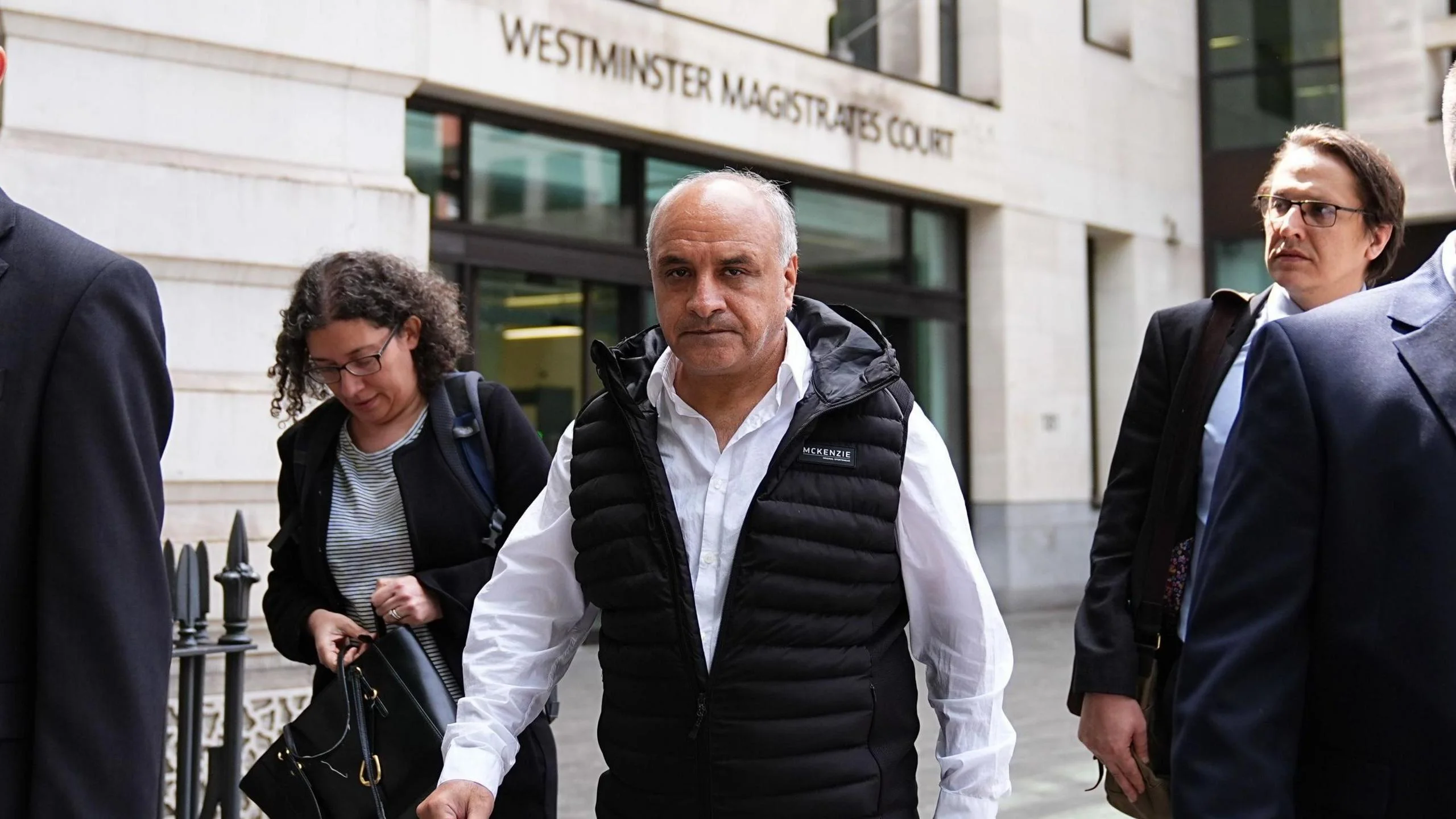
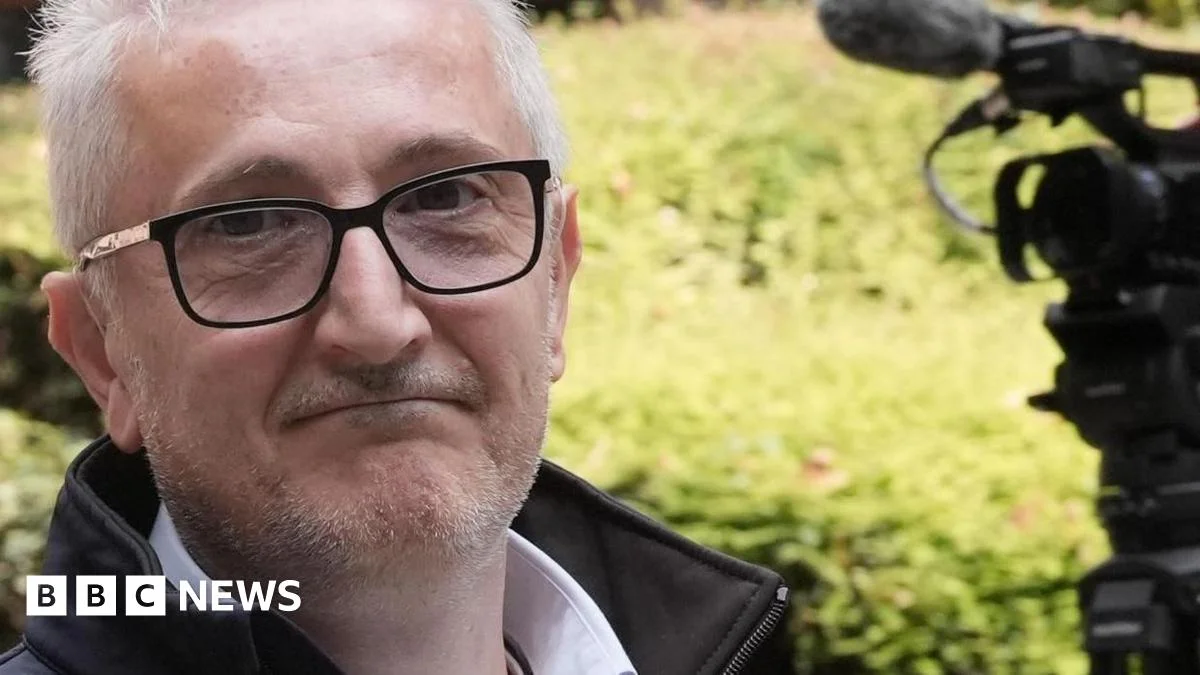
Hamit Coskun, a 51-year-old of Armenian-Kurdish descent, burned a copy of the Quran outside the Turkish Consulate in London on February 13, 2025. He reportedly shouted anti-Islam slogans during the act. This action led to his arrest and subsequent conviction for a religiously aggravated public order offense.
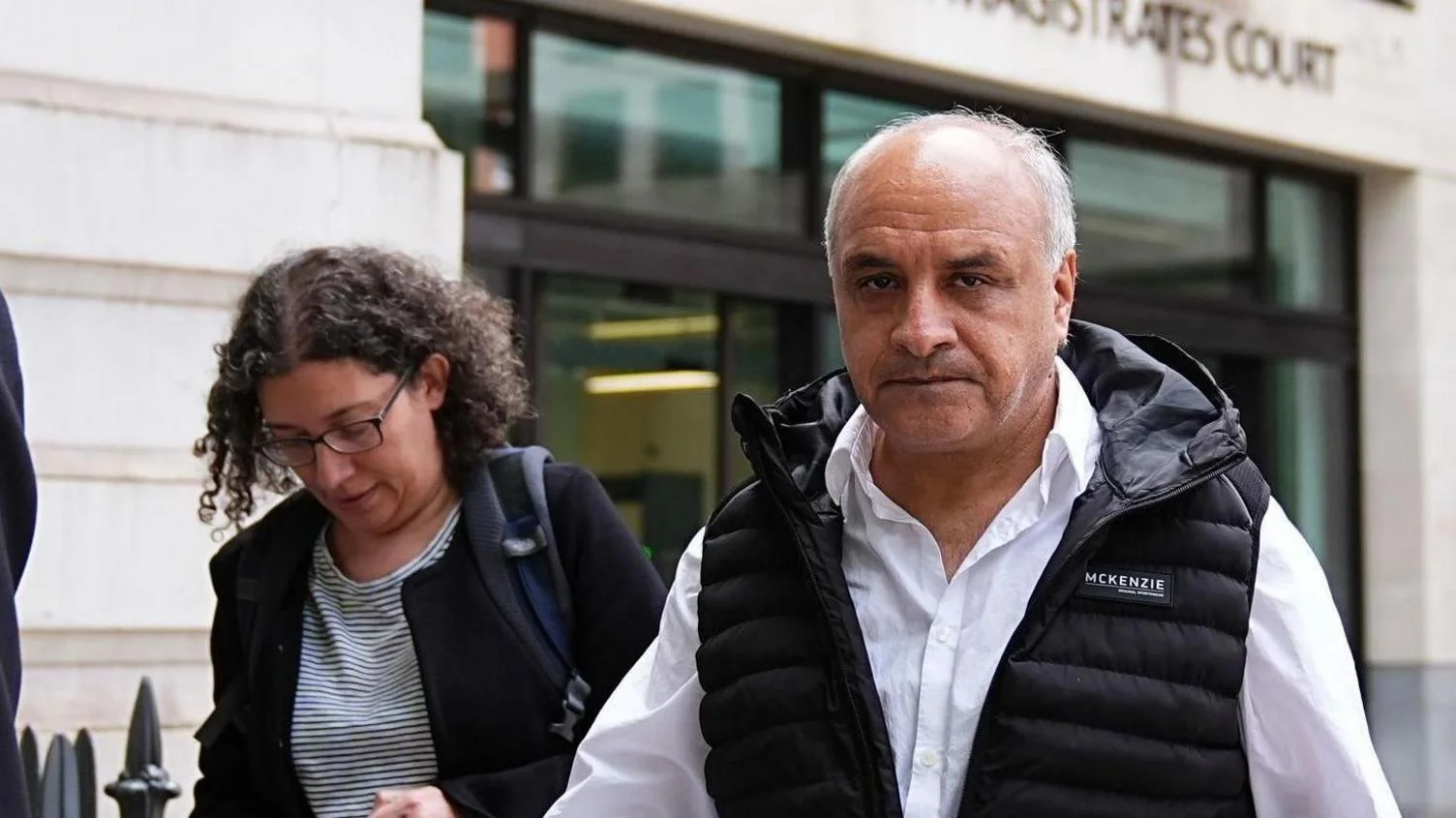
Coskun had initially sought asylum in the U.K. after reportedly experiencing persecution in Turkey due to his opposition to Islamist governance.
A subsequent court ruling overturned his conviction, with the judge stating that the right to free expression "must include the right to express views that offend, shock or disturb."
The Crown Prosecution Service (CPS), however, has appealed this decision and is seeking to reinstate the conviction at London's High Court.
The U.K. judicial system has a history of dealing with such cases; blasphemy laws were abolished in England and Wales in 2008.
In a separate but related incident, Moussa Kadri was given a suspended sentence for assaulting Coskun with a knife during the Quran-burning event, stating he was acting to protect his religion.
U.S. Administration's Engagement
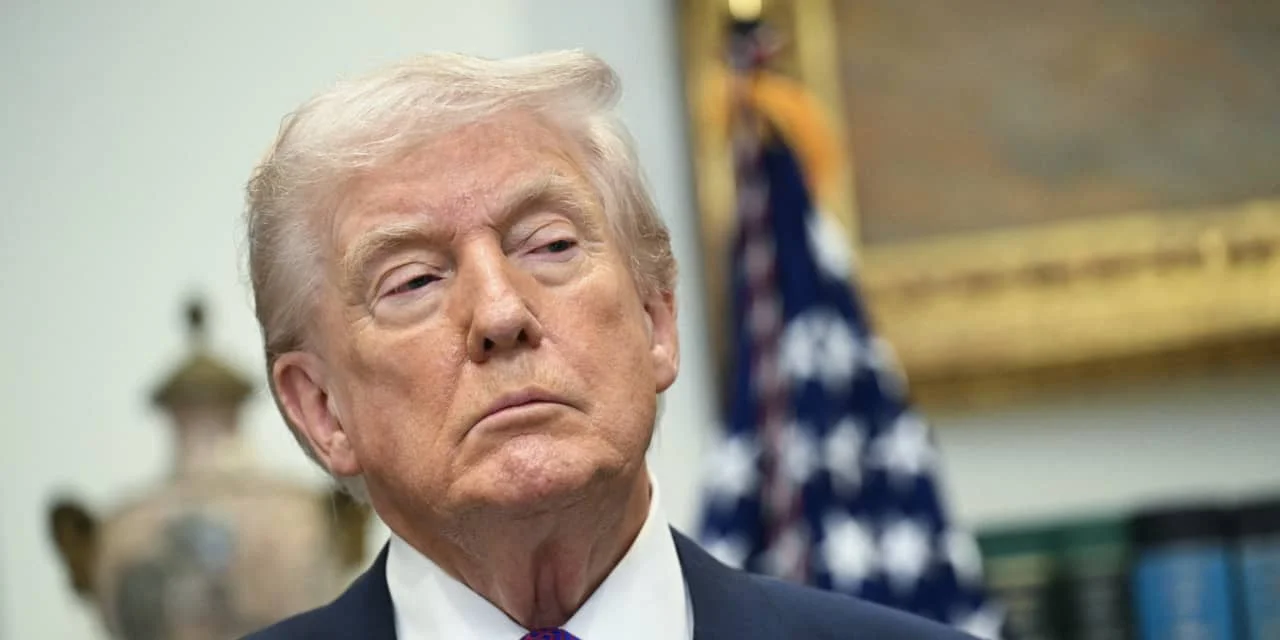
Reports indicate that the Trump administration is actively considering how to respond to Coskun's situation.
Read More: Poison Frog Toxin Allegedly Used in Alexei Navalny's Death
U.S. officials are reportedly discussing the possibility of granting Coskun refugee status.
A senior U.S. administration official indicated that this case is among several concerning restrictions on expression that the administration is monitoring.
The administration's interest appears linked to its stated stance on promoting free speech and opposing what it terms "Islamic extremism."
Coskun himself has indicated that he may "flee" the U.K. for the United States if the appeal against him is successful, citing President Trump's support for free speech.
Differing Perspectives on Free Speech and Public Order
The case highlights a fundamental disagreement between the U.K. and the U.S. administrations regarding the limits of free speech, particularly concerning religious texts.
U.K. Prosecution's Stance
The CPS maintains that Coskun was charged not for the act of burning the Quran itself, but for a public order offense.
Their appeal aims to reinstate a conviction based on the disruptive and offensive nature of his protest, suggesting that certain expressions can exceed the bounds of acceptable public conduct.
Coskun's Defense and Supporters' Arguments
Coskun and free speech advocacy groups argue that his actions fall under the protection of freedom of expression.
They contend that prosecuting him for burning a Quran represents a step towards limiting free speech, potentially aligning with what they perceive as growing Islamism and restrictions on expression.
Organizations like the Free Speech Union have expressed concerns that Coskun losing his appeal would signify the "death of free speech in Britain."
Analysis of Potential U.S. Asylum
The U.S. administration's contemplation of offering asylum to Coskun introduces a complex geopolitical dimension to the case.
Read More: Presidents Day 2026: What's Open and Closed
This move could be interpreted as a direct challenge to the U.K.'s judicial decisions regarding public order and freedom of expression.
It aligns with the Trump administration's broader rhetoric on religious freedom and combating extremism.
However, granting asylum based on a prosecuted public order offense, even if the underlying act involves symbolic expression, could set a precedent for future cases.
The U.S. administration's official stance on the case is reportedly being handled by the State Department, with discussions indicating preparations to assist Coskun's departure from the U.K. should he lose his appeal.
Conclusion
The case of Hamit Coskun, who burned a Quran in London and subsequently faced legal challenges, has drawn the attention of the U.S. administration, which is considering offering him asylum. The core of the dispute lies in the interpretation of free speech boundaries, with U.K. prosecutors framing the charge as a public order offense while Coskun and his supporters view it as an attack on fundamental expression. The potential U.S. intervention signals a significant divergence in policy and philosophy regarding protest and religious sensitivity, with far-reaching implications for international relations and the ongoing global discourse on freedom of speech.
Read More: Barack Obama Says Aliens Are Real, But Not at Area 51
Sources:
Fox News: Man who burned Quran in London may get US asylum as case draws Trump administration attention
Link: https://www.foxnews.com/world/man-who-burned-quran-london-may-get-us-asylum-case-draws-trump-administration-attention
Summary context: Details the potential U.S. asylum offer and frames the case within broader concerns about free speech in the U.K.
Ynetnews: UK Quran burner may receive US asylum as Trump administration weighs support
Summary context: Reports on U.S. State Department discussions and Coskun's own statements about moving to the U.S.
BBC News: Man spared jail over attacking Quran-burning protester
Summary context: Covers the sentencing of the individual who assaulted Coskun.
AOL (via AP News): A man is convicted and fined for burning a copy of the Quran in London
Link: https://apnews.com/article/uk-quran-burning-conviction-4663d8c06cb00d37dd295bd4c82698e1
Summary context: Details Coskun's initial conviction and fine for a religiously aggravated public order offense.
BBC News: Man appeals conviction on Quran burning on 'free speech' grounds
Summary context: Focuses on Coskun's appeal and the legal arguments presented.
The Independent: Man who burned Koran outside Turkish consulate in London wins appeal
Link: https://www.independent.co.uk/news/uk/crime/koran-london-hamit-coskun-robert-jenrick-b2843216.html
Summary context: Reports on Coskun winning his appeal against the initial conviction.
The Sun: Koran-burning man preparing to 'flee' UK for US if prosecutors bring charges
Link: https://www.the-sun.com/news/15946975/koran-burning-man-preparing-to-flee-uk-for-us-in-free-speech-row/
Summary context: Highlights the possibility of Coskun fleeing to the U.S. and the CPS contesting the appeal.
The Telegraph: White House set to accept Koran burner as refugee
Link: https://www.telegraph.co.uk/news/2026/02/15/white-house-koran-burner-refugee/
Summary context: Provides details on the U.S. administration's deliberations and comments from free speech advocates.


:max_bytes(150000):strip_icc():focal(749x0:751x2)/Area-51-021526-7fa2c23c18cc43a3a1d9656de6bbe612.jpg)