Keir Starmer, leader of the UK's Labour Party, has stated that Europe must be prepared to engage in conflict, citing "warning signs" regarding Russia. Speaking at the Munich Security Conference 2026, Starmer also emphasized the need for stronger ties between the UK and the European Union, and underscored the continued importance of the United States as an ally. The conference, held from February 13-15, 2026, brings together global leaders to discuss pressing security issues.
European Autonomy and Transatlantic Bonds
The Munich Security Conference has become a focal point for discussions on European security and its relationship with the United States. Leaders are navigating a complex geopolitical landscape, marked by the ongoing war in Ukraine and shifting global alliances.
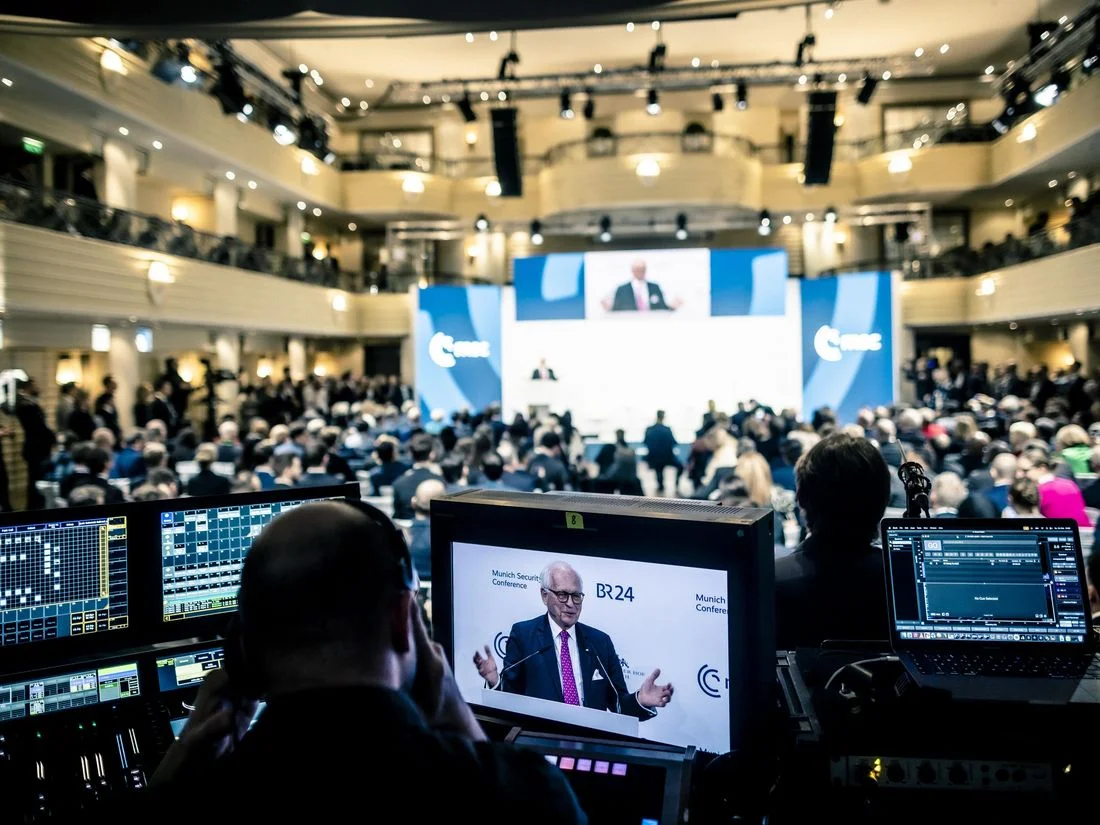
Key themes at the conference include:
The need for increased European defense autonomy.
The future of transatlantic cooperation.
Strategies for addressing Russian aggression.
Economic alignment and digital sovereignty.
Read More: BNP Wins Big in Bangladesh Election, New Leader Takes Charge
"The reality on the ground so far as the UK is concerned is we are working with the US on defence, security and intelligence, 24/7, every single day." - Keir Starmer
Starmer's Call for Preparedness and Cooperation
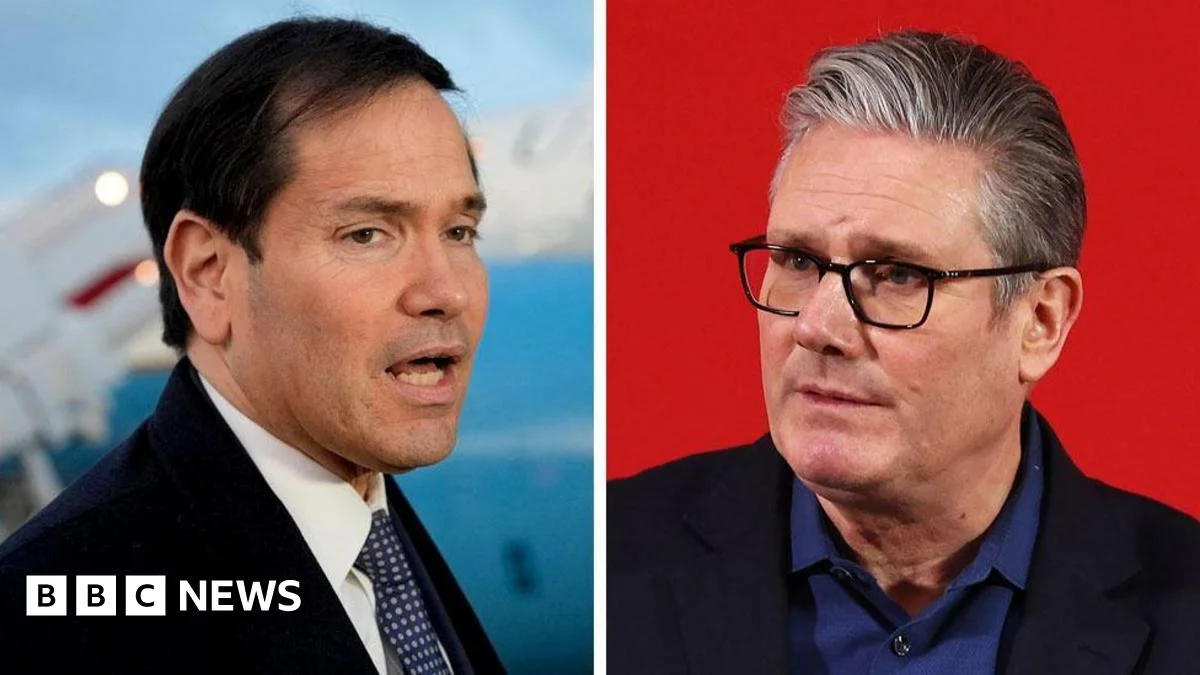
Keir Starmer's remarks highlighted a perceived urgency in the current security environment. He suggested that Europe needs to take on greater responsibility for its own defense while acknowledging the indispensable role of the US.
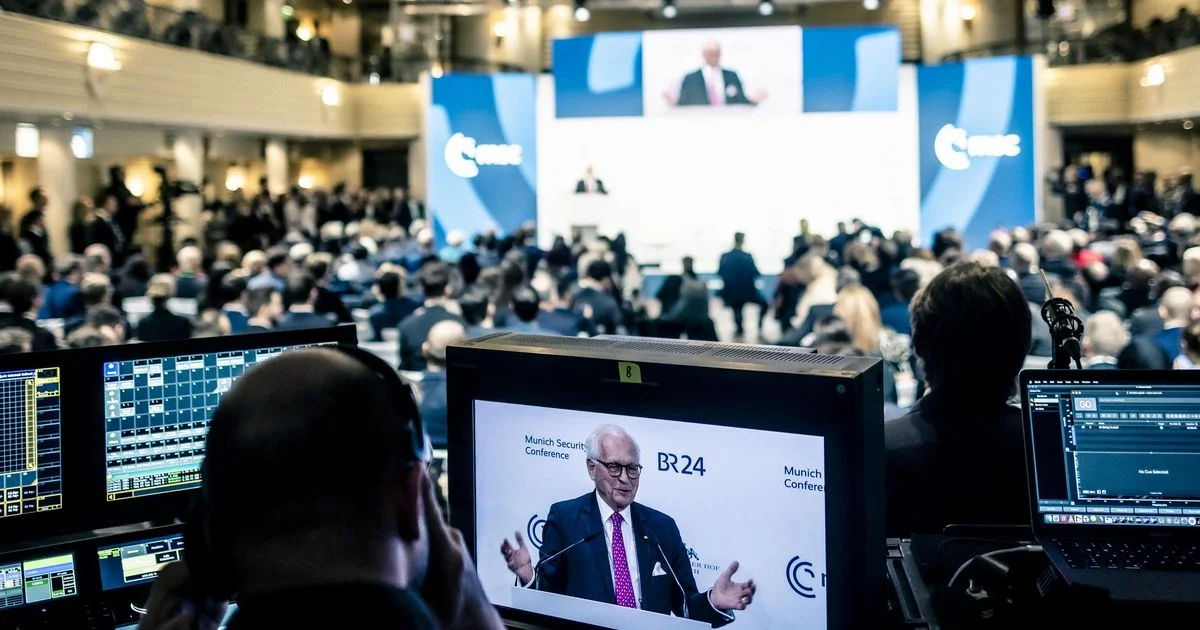
Starmer's central points included:
A declaration that Europe must be "ready to fight."
A call for increased European defense spending and coordination.
An affirmation of the US as a crucial ally.
A recognition of the need for Europe to adapt to a changing world order.
He also stressed the importance of the UK developing "deeper links" with the EU, particularly in the context of economic alignment, noting the "some urgency" in these relations due to the Ukraine war. Starmer rejected the idea of the UK distancing itself from existing partnerships, instead advocating for a vision of "greater European autonomy that does not herald US withdrawal, but answers the call for more burden sharing."
Read More: US Secretary of State Says US and Europe Are Friends and Will Stay Together
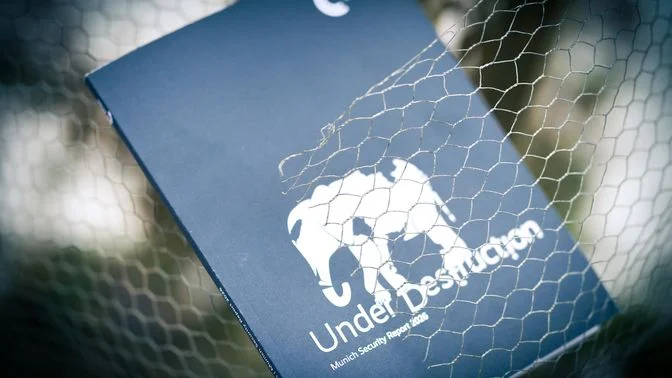
Divergent Views on US Role and European Strategy
While Starmer emphasized a vision of shared responsibility and autonomy that complements US involvement, other discussions at the conference revealed differing perspectives on the transatlantic relationship and Europe's strategic direction.
US Perspective (represented by Marco Rubio):
US Secretary of State Marco Rubio addressed European leaders, aiming to "revitalize" the alliance rather than separate from it.
He expressed that the US does not know if Russia is "serious" about peace in Ukraine and indicated the administration's commitment to seeking peace.
European Perspective (represented by Ursula von der Leyen and others):
Ursula von der Leyen, President of the European Commission, stressed the importance of the EU's "digital sovereignty," a point made despite US criticism of EU digital regulations.
She also called for putting pressure on Putin to engage seriously in peace talks.
French President Emmanuel Macron had previously called for a "strong Europe" on the first day of the conference.
German Chancellor Friedrich Merz acknowledged a "rift" between Europe and the US, while also praising "European solidarity" in response to past external pressures.
Evidence and Statements
Multiple sources confirm the key statements made at the Munich Security Conference:
Read More: Bangladesh Party Thanks India's PM Modi After Election Win
Keir Starmer's statements on Europe's need to be ready to fight and strengthen ties with the EU are reported by the BBC and The Guardian.
Marco Rubio's address focusing on revitalizing the US-Europe alliance and efforts for peace in Ukraine is covered by France24.
Discussions on European autonomy and digital sovereignty, as articulated by Ursula von der Leyen, are noted in The Guardian's live updates.
The broader context of the conference, including attendance and general themes, is provided by Al Jazeera and Euronews.
| Speaker | Key Message | Source |
|---|---|---|
| Keir Starmer | Europe must be ready to fight; need deeper UK-EU links; US remains indispensable ally. | BBC, Guardian |
| Marco Rubio | US aims to revitalize alliance; US does not know if Russia is serious about Ukraine peace. | France24 |
| Ursula von der Leyen | Emphasized EU digital sovereignty; called for pressure on Putin for peace talks. | Guardian |
| Emmanuel Macron | Called for a "strong Europe." | Euronews |
| Friedrich Merz | Acknowledged a "rift" between Europe and US; praised European solidarity. | Euronews |
Analysis and Implications
The Munich Security Conference is serving as a platform for European leaders to articulate a more assertive stance on defense and autonomy, even as they affirm the value of the transatlantic partnership.
Read More: US Secretary Rubio Questions Western Ideas at Munich Meeting
Starmer's assertion that Europe must be "ready to fight" suggests a recognition of escalating threats, particularly from Russia.
The emphasis on "greater European autonomy" without "US withdrawal" indicates a desire for burden-sharing and a more balanced partnership.
The noted "rift" between Europe and the US, and discussions on digital sovereignty, point to potential areas of friction and independent strategic development within Europe.
The ongoing conflict in Ukraine remains a central, driving factor for these security discussions, shaping immediate priorities and long-term strategic thinking.
Conclusion
The Munich Security Conference 2026 has been characterized by urgent calls for European preparedness and strategic autonomy. Keir Starmer's emphasis on readiness for conflict and the strengthening of UK-EU ties, alongside discussions on transatlantic roles and European sovereignty, indicates a continent grappling with evolving security challenges. The United States, represented by Marco Rubio, is seeking to reinforce its alliance commitments, while European leaders are simultaneously asserting their need for greater self-reliance. The conference outcomes will likely influence defense policies and diplomatic engagements across Europe and its key international partners in the coming months.
Read More: Nicki Minaj Talks About SAVE Act with Fans
Sources:
France24: Live coverage of the Munich Security Conference, including statements from US Secretary of State Marco Rubio.https://www.france24.com/en/europe/20260214-live-rubio-address-munich-security-conference-european-leaders-call-reset-ties-usa-zelensky
BBC News: Live updates from the Munich Security Conference, featuring Keir Starmer's remarks.https://www.bbc.com/news/live/cnv6j9j190rt
The Guardian: Live reporting from the Munich Security Conference, detailing speeches by Keir Starmer and other leaders.https://www.theguardian.com/world/live/2026/feb/14/munich-security-conference-live-marco-rubio-keir-starmer-eu-europe-ukraine-russia-latest-news-updates
Al Jazeera: Live updates on the second day of the Munich Security Conference, covering key participants and themes.https://www.aljazeera.com/news/liveblog/2026/02/14/live-world-leaders-gather-in-munich-for-2nd-day-of-security-conference
Euronews: Reporting on the Munich Security Conference 2026, including statements from Emmanuel Macron and discussions on transatlantic ties.https://www.euronews.com/my-europe/2026/02/13/munich-security-conference-2026-global-leaders-gather-as-transatlantic-ties-dominate-talks
Politico: Live updates from the Munich Security Conference 2026, covering major speeches and diplomatic events.https://www.politico.eu/article/munich-security-conference-2026-live-updates/
Munich Security Conference Official Website: Provides the agenda and livestream information for MSC 2026.https://securityconference.org/en/msc-2026/agenda/
Read More: US Official Rubio Says Old World Order is Over, Europe Seeks Answers