


A Shifting Global Landscape Under Scrutiny
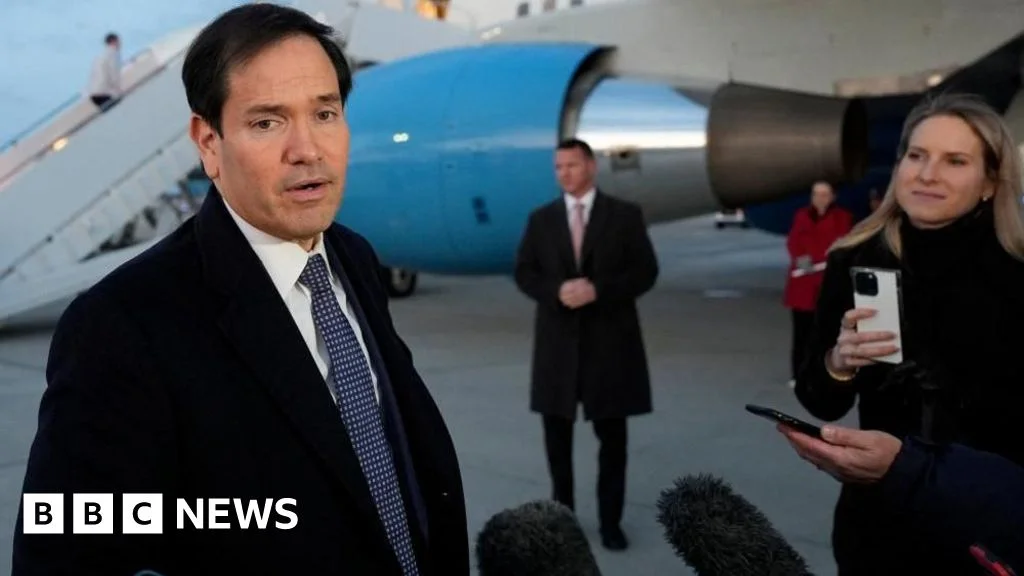
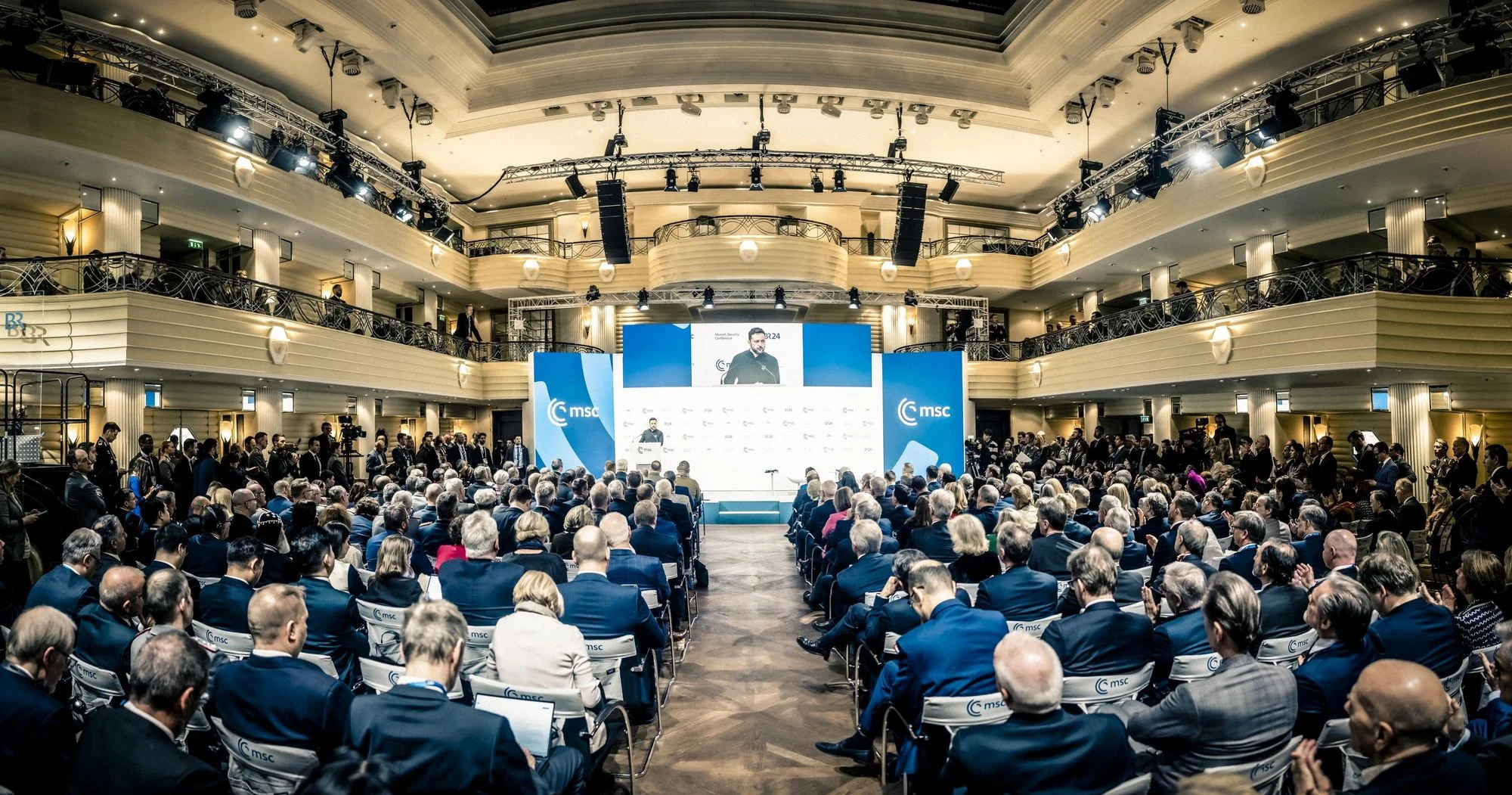
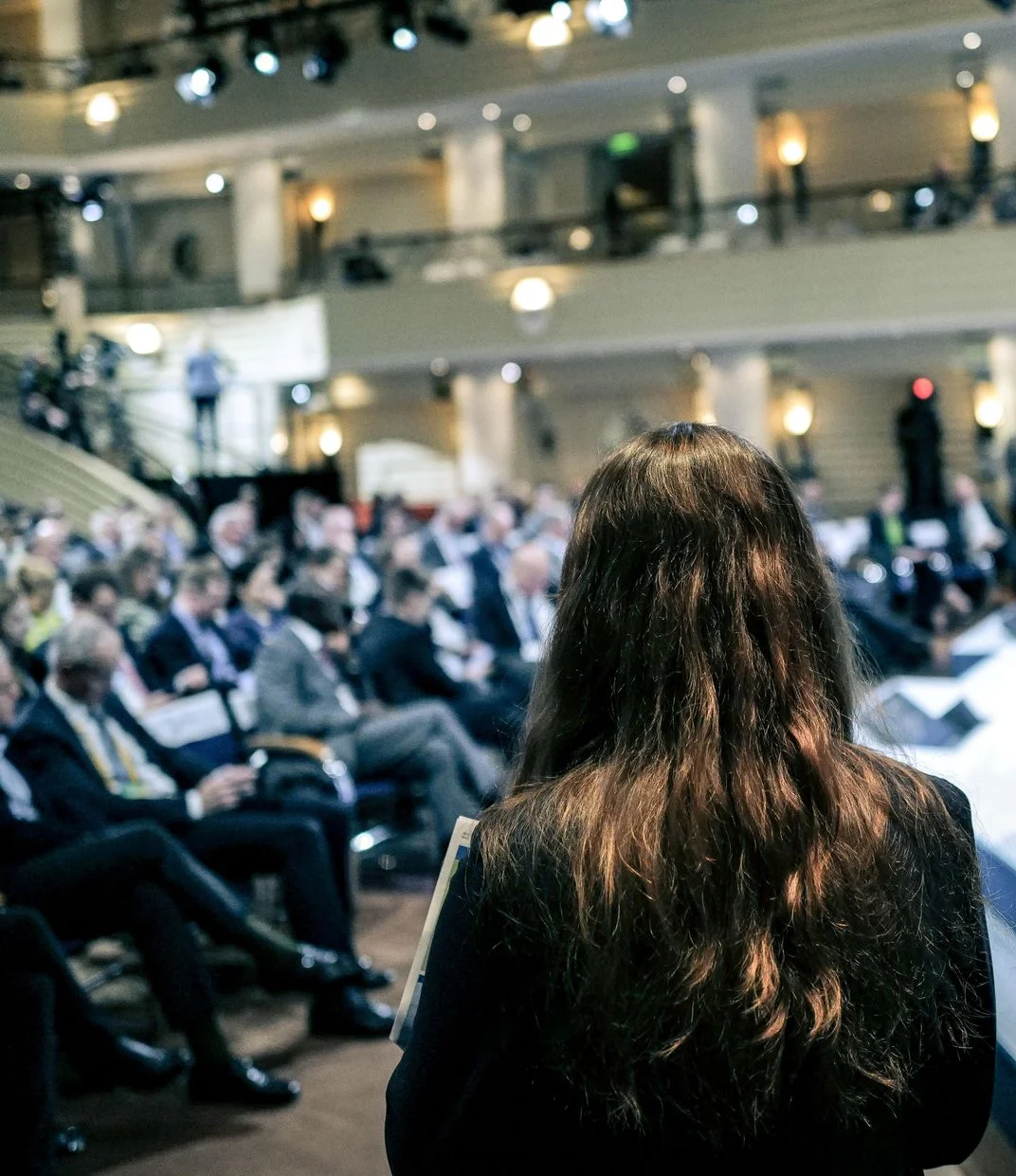
The Munich Security Conference, a prominent global forum for discussing international security, is underway, marked by sharp critiques from US Secretary of State Marco Rubio. He has challenged long-held Western assumptions about international relations, particularly concerning mass migration and the perceived post-war "delusion" of a universally interconnected world. Rubio's remarks underscore a palpable tension at the conference, with European leaders grappling with evolving geopolitical realities and questioning the steadfastness of transatlantic alliances. This year's gathering convenes over 60 heads of state and government and a wide array of international figures, aiming to address pressing global security concerns.
Context: Transatlantic Relations and Global Challenges
The 62nd Munich Security Conference, held from February 13-15, 2026, is taking place against a backdrop of significant global shifts. The war in Ukraine remains a central concern, alongside escalating tensions with China and ongoing discussions about Iran's nuclear program.
Read More: Deepak Chopra's Emails with Jeffrey Epstein Released
This conference has highlighted a visible divide between the US and Europe. While French President Emmanuel Macron has called for a "strong Europe" and insisted on the continent preparing for greater independence, German Chancellor Friedrich Merz has acknowledged a "rift" and urged the US and Europe to "repair trust." This sentiment is echoed by other European leaders, with Danish Prime Minister Mette Frederiksen planning to discuss US threats regarding Greenland.
Amidst these discussions, Secretary of State Marco Rubio has emerged as a key, and at times provocative, voice. His presence at the conference, leading the US delegation, follows a period of uncertainty regarding US foreign policy, particularly following President Donald Trump's earlier pledge to annex Greenland. Rubio's speeches and interactions aim to articulate the US administration's perspective on the new global order.
Read More: UK Leader Says Europe Must Be Ready for Conflict
Rubio's Critique: Migration and the "Citizen of the World"
Marco Rubio's address at the Munich Security Conference has drawn considerable attention for its direct challenge to prevailing Western views on global integration and migration. He has openly criticized the notion that everyone is fundamentally a "citizen of the world," a concept he appears to view as a form of "delusion" that has characterized the West's post-war approach.
Rubio stated that the United States and Europe "belong together" historically.
However, he voiced strong objections to current mass migration policies.
He specifically warned against the idea that everyone is a "citizen of the world."
These remarks come at a time when European leaders are increasingly concerned about managing large-scale migration flows and their impact on national and regional stability. Rubio's intervention suggests a divergence in how the US and some European nations perceive the interconnectedness of global challenges and the appropriate responses.
Read More: US Secretary of State Says US and Europe Are Friends and Will Stay Together
The US-China Relationship: An Obligation to Manage
In discussions regarding the future of international relations, Marco Rubio addressed the critical dynamic between the United States and China. He emphasized the indispensable nature of communication between the two global economic powers, asserting that they have an "obligation to communicate."
Rubio identified the US and China as the world's two largest economies.
He stated that both nations have a duty to engage in dialogue.
He acknowledged that national interests between the US and China will frequently differ.
Despite potential divergences, Rubio suggested an opportunity for the US and China to positively impact the world by managing their relationship responsibly.
This stance signals a pragmatic approach to managing competition with China, acknowledging that despite fundamental disagreements, open channels of communication are essential for global stability.
Read More: US Official Rubio Says Old World Order is Over, Europe Seeks Answers
Transatlantic Ties: Historical Bonds and Evolving Realities
The Munich Security Conference has been a stage for both affirmations of historical alliances and acknowledgments of emerging strains. Secretary of State Marco Rubio, while praising the historical significance of the US-European alliance, also stressed the need for a reevaluation of how these partners collaborate in the current global climate.
Rubio acknowledged the enduring importance of the US-European partnership.
He indicated that the current administration believes a shift in the collaboration model is necessary.
CNN's chief international security correspondent, Nick Paton Walsh, reported a mood of "deep concerns from European world leaders" regarding perceived shifts in US policy based on presidential temperament.
Conversely, NATO Secretary General Mark Rutte has stressed that transatlantic bonds remain "as close and important as ever."
This creates a nuanced picture, with some US officials pointing towards a need for updated approaches to partnership, while others within the alliance emphasize continuity.
Expert Analysis: Navigating a Multipolar World
The discussions in Munich reflect a broader reassessment of international order. German Chancellor Friedrich Merz has called for the repair of trust between Europe and the US, indicating that existing partnerships are under strain. French President Emmanuel Macron's call for Europe to prepare for independence suggests a growing desire among European leaders for greater strategic autonomy.
"The post-war order, built on assumptions of shared values and predictable alliances, is being tested. Leaders are now confronting a more fluid and competitive geopolitical landscape." — Analysis based on conference discussions.
The emphasis on distinct national interests and the challenges posed by global issues like migration and the rise of China indicate a departure from the more integrated approach that characterized the late 20th century.
Conclusion: Realigning Expectations in a Complex Era
The 62nd Munich Security Conference has served as a critical venue for US Secretary of State Marco Rubio to articulate a vision that acknowledges historical alliances while sharply diverging on key policy assumptions, particularly regarding migration and the concept of global citizenship. His remarks suggest the US administration perceives a fundamental shift in the international system, requiring new frameworks for engagement.
The US-European divide on issues of trust, strategic autonomy, and global challenges is evident. While Rubio calls for managing relations with China pragmatically, European leaders express concerns about the reliability of alliances and advocate for stronger independent capabilities. The conference's proceedings underscore the complex task of navigating a multipolar world where established norms are being questioned and new geopolitical alignments are being forged. The outcomes of these discussions will likely shape international security policy and transatlantic relations in the period ahead.
Sources:
BBC News: https://www.bbc.co.uk/news/live/cnv6j9j190rt (Published 2 hours ago, provides details on Rubio's statements regarding US-China relations and broader critiques.)
CNN: https://edition.cnn.com/us/live-news/trump-administration-rubio-munich-02-14-26/index.html (Published 1 hour ago, focuses on Rubio's speech, the US-European divide, and the mood at the conference.)
The Guardian: https://www.theguardian.com/world/series/europe-live/2026/feb/14/all (Published 8 hours ago, mentions Rubio criticizing mass migration and the West's postwar "delusion" and US/Europe mistakes.)
Al Jazeera: https://www.aljazeera.com/news/liveblog/2026/2/14/live-world-leaders-gather-in-munich-for-2nd-day-of-security-conference (Published 1 hour ago, provides overall conference context, including comments from German Chancellor Merz.)
BBC News: https://www.bbc.com/news/articles/c99jxryd9xko (Published 1 day ago, previews Rubio's warnings about a new geopolitical era and mentions other conference topics.)
France 24: https://www.france24.com/en/europe/20260213-live-rubio-says-he-will-have-chance-to-meet-ukraine-s-zelensky-at-munich-security-forum (Published 1 day ago, notes Rubio's planned meeting with Zelensky and related European discussions on nuclear deterrence.)


