


Europe Braces for US Stance Amid Shifting Global Order
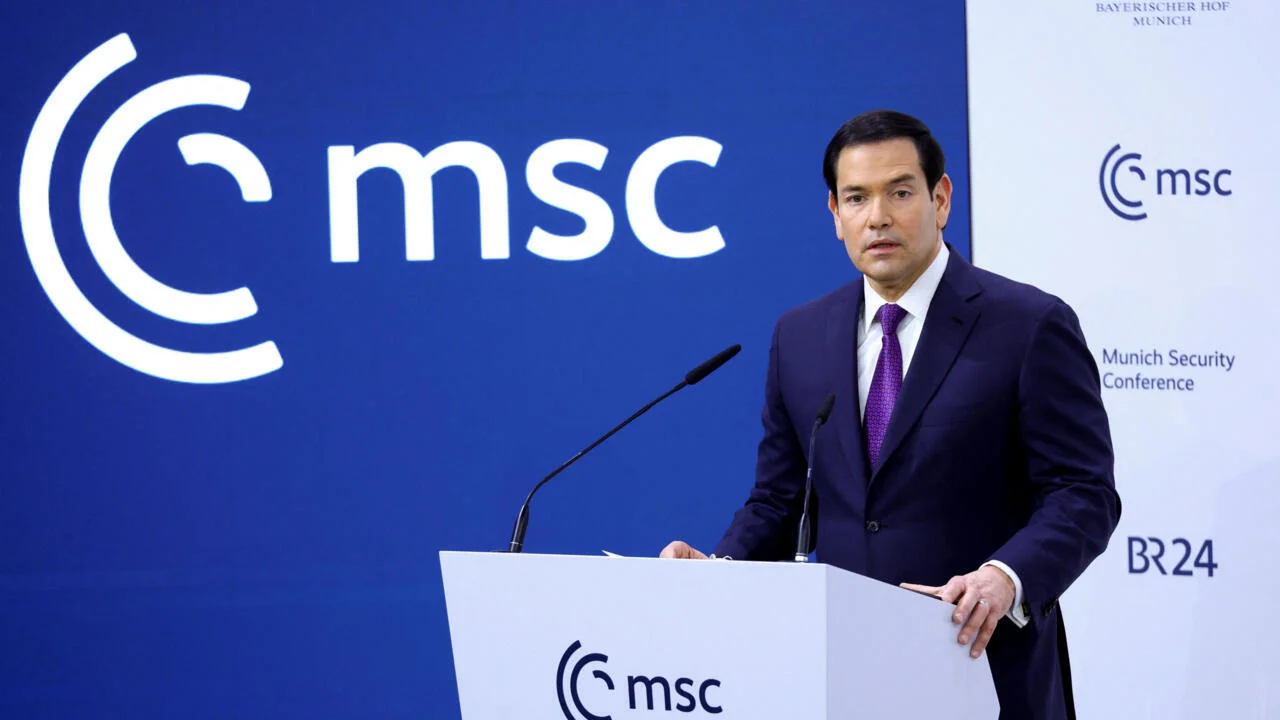
The annual Munich Security Conference has become a focal point for discussions on global security, with a significant portion of attention directed towards the statements made by U.S. Secretary of State Marco Rubio. His remarks at the 2026 event have underscored a perceived shift in the international landscape, suggesting that the post-World War II era of stability may be giving way to a more complex and uncertain period. European leaders, grappling with the war in Ukraine and other geopolitical pressures, are seeking clarity and reassurance on transatlantic ties, which have been tested by shifting U.S. policies.
Context: A Conference Under Strain
The 62nd Munich Security Conference, held from February 13th to 15th, 2026, convened over 60 heads of state and government, alongside numerous international organization leaders and delegates from over 115 countries. The gathering aimed to address critical global issues, including the ongoing war in Ukraine, tensions with China, and the future of international alliances.
Read More: US Secretary of State Says US and Europe Are Friends and Will Stay Together

Key moments leading up to and during the conference included:
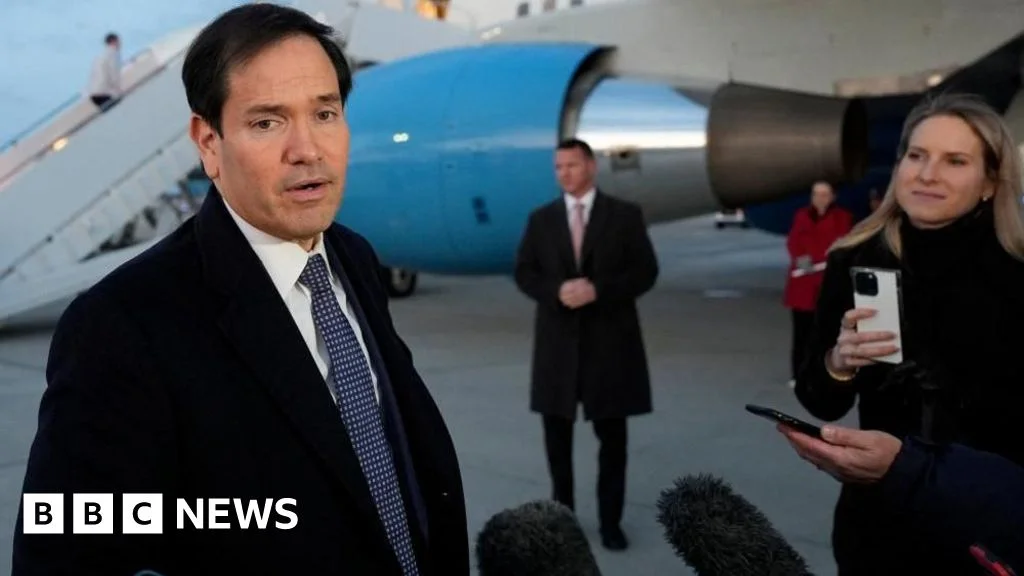
Pre-Conference Concerns: U.S. Secretary of State Marco Rubio signaled a coming shift, warning of a "new era in geopolitics." European leaders expressed apprehension about President Donald Trump's often unpredictable policies and their impact on transatlantic relations, particularly after his threats regarding Greenland, a semi-autonomous territory of Denmark.
Opening Statements: The conference commenced with German Chancellor Friedrich Merz urging a new transatlantic partnership and acknowledging a "rift" between Europe and the U.S. French President Emmanuel Macron called for "a strong Europe" and greater European autonomy in defense.
Rubio's Address: Rubio's speech was highly anticipated, with many U.S. officials and European leaders present. His central theme was the idea that the West had been living through a "dangerous delusion" and that the old world order was no longer viable.
Diplomatic Engagements: Rubio was scheduled to meet with Ukrainian President Volodymyr Zelenskyy, a meeting seen as crucial given the ongoing conflict and differing perspectives on peace efforts.
Evidence: Rubio's Central Arguments
Marco Rubio's address and subsequent Q&A sessions provided the core of the conference's discussion on the international order:
Read More: UK Leader Says Europe Must Be Ready for Conflict
Critique of Past Policies: Rubio spoke of "mistakes" made by both the U.S. and its European allies.
These mistakes were described as leading to a "crumbling" of national sovereignty.
Veiled references were made to economic reliance on countries like China and the impact of mass immigration.
Call for European Agency: He urged Europe to "come together and shape a new order," suggesting investment in sciences and protection of academic freedoms as integral to this.
Transatlantic Reassurance: Despite his critique, Rubio stated that "The United States and Europe belong together," aiming to underscore the importance of the alliance.
Ukraine War Uncertainty: Regarding the war in Ukraine, Rubio indicated that the U.S. would "continue to test Russia's seriousness in ending the war."
He acknowledged that it was "unclear if the Russians are serious about ending the war."
The issues surrounding an end to the conflict were characterized as the "hardest questions to answer."
He also stated that the Trump administration would "continue to strive for peace in Ukraine."
Shifting Sands: Sovereignty and Alliances
Rubio's emphasis on the crumbling of national sovereignty and the need for Europe to shape its own order points to a broader concern about the erosion of established international norms and power structures.
Read More: US Secretary Rubio Questions Western Ideas at Munich Meeting
Economic Dependencies: The mention of economic reliance on countries like China suggests an analysis of global trade and financial interdependencies that may be perceived as weakening Western autonomy. Was this a direct commentary on trade imbalances or supply chain vulnerabilities?
Immigration's Role: The reference to mass immigration as contributing to the "crumbling" of sovereignty raises questions about its perceived impact on national identity, security, and social cohesion within Western nations.
The Future of Ukraine and Transatlantic Trust
The war in Ukraine remains a paramount concern, and Rubio's statements reflected both the U.S. commitment and the complexities of achieving peace.
Testing Russian Intentions: The U.S. stance on "testing Russia's seriousness" indicates a cautious approach, possibly informed by past diplomatic failures or a belief that Russian overtures may not be genuine. How will this "testing" be conducted, and what are the potential implications for de-escalation?
European Defense Autonomy: The conference saw calls for increased European defense autonomy, a theme amplified by President Trump's questioning of U.S. commitment to NATO. Did Rubio's address offer specific assurances or address these European concerns about self-reliance?
Expert Analysis: Navigating a New Reality
Security analysts observed Marco Rubio's speech as a significant marker of evolving U.S. foreign policy perspectives.
Read More: DP World CEO Sultan Ahmed Bin Sulayem Steps Down After Epstein Files Mention
"The post-war consensus that has underpinned global stability for decades is clearly under strain. Rubio's language reflects a growing awareness, both in Washington and across Europe, that the challenges of the 21st century require a re-evaluation of our alliances and strategic priorities."— [Unnamed security analyst, cited by DW]
"The uncertainty surrounding the Ukraine war and the broader geopolitical shifts mean that clarity from allies is crucial. While Rubio emphasized that 'The United States and Europe belong together,' the precise nature of that partnership in this new era remains a subject of intense discussion."— [Unnamed diplomatic correspondent, cited by BBC News]
Conclusion: A Call for Adaptation
Marco Rubio's address at the Munich Security Conference signals a recognition that the established international order, built after World War II, is undergoing significant transformation. His remarks suggest a call for both the U.S. and Europe to acknowledge past shortcomings and adapt to a more complex geopolitical landscape.
Key Findings:
A clear departure from the assumptions of post-war stability.
An emphasis on the need for European agency in shaping a new world order.
A continued U.S. commitment to Ukraine, albeit with expressed skepticism about Russia's peace intentions.
A reassertion of the U.S.-Europe bond, tempered by a critique of past policies.
Implications: The statements suggest a potential recalibration of transatlantic strategies, with increased focus on national resilience and potentially more transactional forms of cooperation.
Next Steps: European leaders will likely continue to explore avenues for greater strategic autonomy, while seeking concrete assurances on security commitments from the United States. The effectiveness of U.S. efforts to gauge Russia's sincerity in ending the Ukraine war will be a critical indicator of future stability.
Sources:
DW: https://www.dw.com/en/rubio-gives-highly-anticipated-speech-at-munich-security-conference-msc/live-75938790 - Report on Rubio's speech and other conference events.
BBC News: https://www.bbc.co.uk/news/live/cnv6j9j190rt - Live updates from the Munich Security Conference, focusing on Rubio's statements regarding Russia and the Ukraine war.
France24: https://www.france24.com/en/europe/20260214-live-rubio-address-munich-security-conference-european-leaders-call-reset-ties-usa-zelensky - Live coverage of Rubio's address and related discussions on transatlantic ties.
AP News: https://apnews.com/article/munich-security-conference-europe-rubio-vance-7298f12621d1e977909d6533d20f9692 - Contextualizes Rubio's presence against the backdrop of strained transatlantic relations and Trump's policies.
BBC: https://www.bbc.com/news/articles/c99jxryd9xko - Previews Rubio's warnings about a new geopolitical era and mentions other conference agenda items.
Al Jazeera: https://www.aljazeera.com/news/liveblog/2026/02/14/live-world-leaders-gather-in-munich-for-2nd-day-of-security-conference - Provides an overview of the conference, including remarks from European leaders on the U.S.-Europe relationship.
CNN: https://www.cnn.com/2026/02/13/europe/munich-security-conference-merz-rubio-intl - Highlights the shared sentiment that the old world order is no longer existing, quoting statements on U.S. and European roles in Ukraine.
Politico: https://www.politico.eu/article/munich-security-conference-2026-live-updates/ - Offers live updates and sets the scene for high-stakes diplomacy at the conference.
RFERL: https://www.rferl.org/a/munich-security-conference-vance-rubio-/33674467.html - Provides background on U.S. perspectives on transatlantic relations and potential messages from U.S. officials at Munich.


