A decisive win by the Bangladesh Nationalist Party (BNP) has ended Sheikh Hasina's long tenure, marking a significant shift in Bangladesh's political landscape. The election, held after a period of widespread protests and political upheaval, has brought the BNP to power with a substantial majority. This outcome presents a pivotal moment for the nation, raising questions about its future direction, particularly concerning governance, economic policy, and international relations. The circumstances surrounding the election and the BNP's rise prompt a detailed examination of the forces at play and the potential ramifications.
The recent general election in Bangladesh saw the Bangladesh Nationalist Party (BNP) achieve a resounding victory, securing more than two-thirds of the parliamentary seats. This win concludes 15 years of governance by Sheikh Hasina's Awami League. The election followed a period of significant public unrest and protests, often referred to as a "Gen Z uprising," which contributed to the ousting of the previous administration. A notable aspect of this electoral contest was the interim administration's ban on the Awami League from participating, a move that fundamentally altered the traditional political dynamic which has long been dominated by the rivalry between the Awami League and the BNP. The BNP's success is closely linked to the political resurgence of its chairman, Tarique Rahman, who spent 17 years in self-imposed exile in London. Rahman, son of former Bangladeshi President Ziaur Rahman and ex-Prime Minister Khaleda Zia, is now poised to lead the government.
Read More: Taiwan Holds Nantou County Drills to Prepare for State Collapse
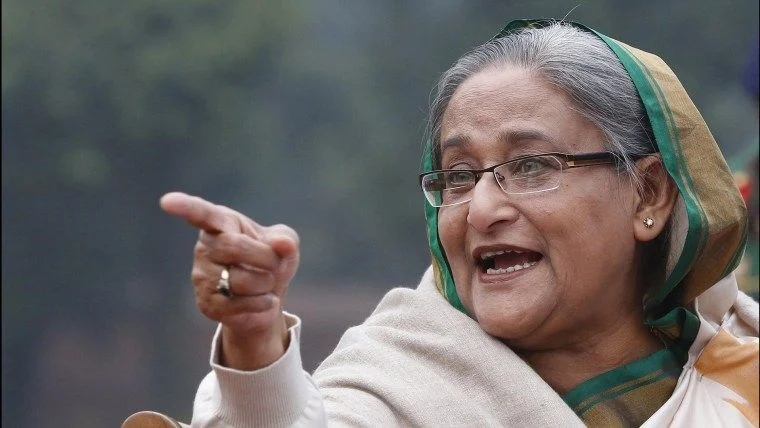
The BNP's landslide victory signifies a profound change in Bangladesh's political order, ending Sheikh Hasina's extended period of leadership and marking a new era for the nation.
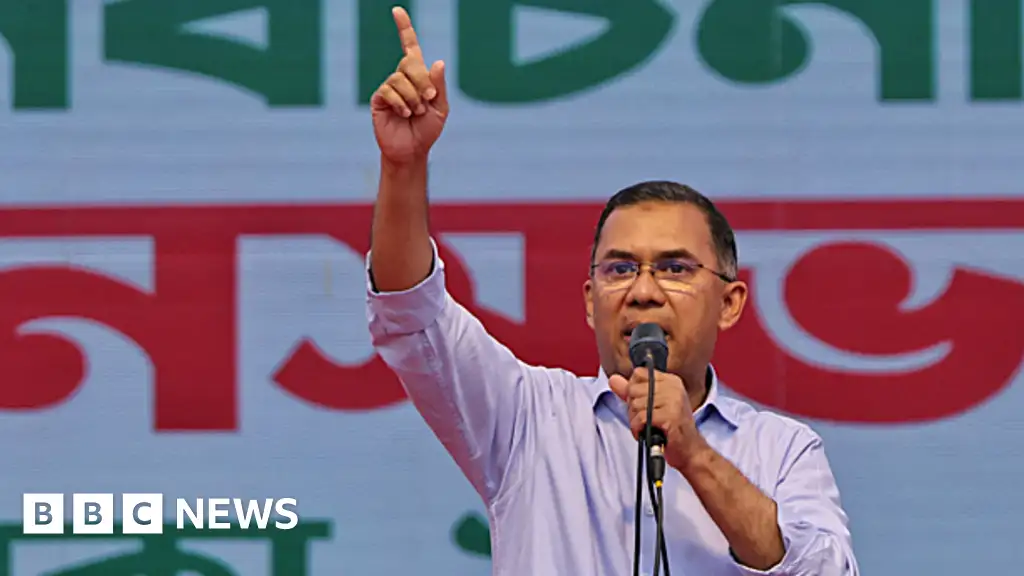
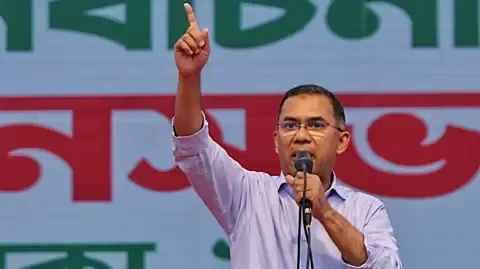
The electoral results have placed Tarique Rahman, chairman of the BNP, at the forefront of national politics. Rahman, who returned to Bangladesh in December after 17 years of exile in London, had faced multiple corruption and criminal cases initiated by the Awami League government. His return to a position of leadership follows a period where the BNP often operated in opposition, including boycotting previous elections and alleging vote rigging and political repression by the former government. Ruhul Kabir Rizvi, the BNP's senior joint secretary-general, publicly congratulated the citizens on the party's success. Separately, Saleh Shibly, Rahman's press secretary, relayed a message from Rahman asking supporters to hold special prayers rather than celebratory processions. The BNP's platform includes a commitment to waiving agricultural loans up to 10,000 taka and implementing points from the July Charter, which outlines the creation of new constitutional bodies and a bicameral parliament. The party also prioritizes economic initiatives such as restarting closed industries, diversifying exports, facilitating profit repatriation for foreign businesses, and creating jobs in the information and communication technology sector.
Read More: FBI Analysts Review Georgia 2020 Election Data in Fulton County
Read More: Measles Deaths Rise to 495 Amidst Many New Cases
Political Transition and Leadership
The return of the BNP to power represents a definitive end to Sheikh Hasina's prolonged dominance, marking a substantial political defeat for her Awami League. Traditionally, political relevance in Bangladesh is built on organizational strength, public mobilization, and access to institutional power. The BNP's victory underscores a shift in these dynamics.
Tarique Rahman's Resurgence: The prominence of Tarique Rahman is central to the BNP's ascent. His return from a lengthy exile and the allegations that led to it frame his current leadership role.
Legal Ramifications for Hasina: With the opposition now in power, Hasina's legal exposure is expected to increase, a consequence of the shift in governmental control.
End of an Era: The election outcome signifies more than just a loss; it marks the cessation of Hasina's uninterrupted hold on power in Bangladesh.
Electoral Landscape and Party Dynamics
This election was historic not only for its outcome but also for its unique context, including the prohibition of Sheikh Hasina's Awami League from participating. This ban reshaped the electoral field, which has historically been defined by the competition between the Awami League and the BNP.

Awami League's Absence: The prohibition of the Awami League from contesting the election was a defining characteristic of this electoral cycle.
Jamaat's Position: The Jamaat, Bangladesh's main Islamist party, secured the second-highest number of seats.
Dynastic Legacies: Both Tarique Rahman and Sheikh Hasina come from prominent political families, highlighting the role of political dynasties in Bangladesh.
Governance and Policy Priorities
The BNP has outlined a series of priorities aimed at governing the nation. These plans touch upon constitutional reform, economic development, and social welfare, reflecting a broad agenda for national change.
July Charter Implementation: A key commitment is to enact the reforms detailed in the July Charter, which includes establishing new constitutional bodies and a bicameral parliament.
Economic Revitalization: The party aims to stimulate the economy by reviving industries, diversifying exports, and creating jobs, particularly in the IT sector.
Social Welfare Initiatives: Plans include a "Family Card" for low-income families, increased public spending on health, and educational reforms.
Future Political Stability and Geopolitics
The long-term implications of the BNP's victory on Bangladesh's internal stability and its international standing remain subjects of analysis. While internal governance is seen as paramount, geopolitical considerations may also play a role.
Read More: Bangladesh Aims for Historic Series Sweep Over Pakistan in Sylhet
Internal Stability: Analysts suggest that internal stability will be more dependent on effective governance than on external geopolitical factors.
International Relations: The BNP has indicated an intention to deepen relations with China, Bangladesh's largest trading partner.
Women's Issues: There is an expectation that the new administration will address issues concerning women, an area some feel has been overlooked.
Expert Insights
"Ultimately, however, internal stability for Bangladesh will depend less on geopolitics than on governance." - Khan (as cited in Al Jazeera)
"The victorious BNP was sceptical of constitutional reforms outlined in July Charter – now it must implement them." - Shahan (as cited in Al Jazeera)
The transition of power following the BNP's landslide victory marks a critical juncture for Bangladesh. The party's stated priorities offer a glimpse into its intended governance approach, focusing on constitutional reform, economic development, and social programs. The coming period will reveal how effectively the BNP can translate its electoral success into stable and effective governance, addressing the challenges and opportunities that lie ahead for the nation. The ban on the Awami League and the return of Tarique Rahman from exile are significant factors shaping the new political environment.
The extent to which the BNP can foster internal stability will be a key indicator of its success. Its stated intention to strengthen ties with China also positions Bangladesh within a broader regional geopolitical context. The focus on implementing the July Charter and enacting economic reforms suggests an ambitious agenda.
Read More: US 250th Anniversary: Pride Divided by Politics
The Bangladesh Nationalist Party (BNP) secured a decisive victory in the general election, ending Sheikh Hasina's lengthy period of leadership. This outcome follows a period of significant civil unrest and comes after the Awami League was prohibited from participating in the election. Tarique Rahman, the BNP chairman who had been in exile, is set to lead the government. The party's agenda includes constitutional reforms outlined in the July Charter, economic revitalization efforts, and social welfare initiatives. The long-term implications for Bangladesh's governance and geopolitical positioning are anticipated to unfold as the new administration assumes power.