Serious Concerns Emerge from Independent Review
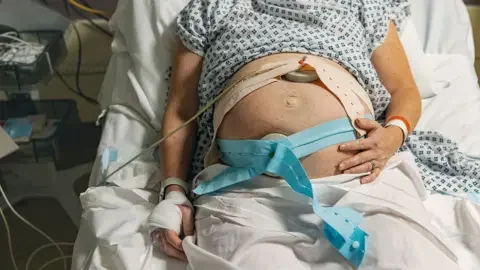
An independent review into England's maternity and neonatal services has identified significant failings that are impacting the care provided to women, babies, and families. The review, commissioned following numerous high-profile scandals and preventable deaths, points to systemic issues rather than isolated incidents. More than 8,000 individuals, including women, families, and NHS staff, have shared their experiences, offering a broad, albeit concerning, picture of the services. Baroness Amos, who led the review, stated in an interim report that it is "clear… that maternity and neonatal services in England are failing too many women, babies, families and staff."

Key Areas of Concern Identified
The interim report, based on meetings with hundreds of women, families, and staff, and a wide-ranging call for evidence, has pinpointed several key areas contributing to the problems:
Discrimination: The review highlights discrimination against specific groups, including disabled women, Muslim families, refugee and asylum seekers, and LGBT families.
Racism: Racism is identified as a "core driver" of poor care, particularly for Black women, with evidence of stereotypes influencing how concerns are addressed.
Staffing and Workplace Culture: Shortages of staff are reported, leading to units lacking sufficient personnel for safe care. Furthermore, poor relationships among staff, hierarchical structures, and a fear of speaking up appear to be linked to adverse outcomes.
Infrastructure: Some maternity units are operating in outdated and dilapidated buildings, with conditions sometimes compromising clinical care.
Accountability: A "reluctance to admit mistakes" is seen as a contributing factor to the ongoing failures.
Fragmented Service: A "postcode lottery" of care suggests a lack of consistency across different regions.
Evidence of Widespread Issues
The review has gathered substantial evidence from a diverse range of sources:
Read More: New Computer Programs Help Find Medicines Faster

Patient and Family Testimonies: Over 8,000 people have submitted evidence, with Baroness Amos meeting more than 400 families directly. These accounts detail experiences of feeling ignored, dismissed, or encountering stereotypes when raising concerns.
Staff Interviews: Midwives and obstetricians have reported feeling unable to challenge senior colleagues when they perceived risks to women's health, indicating issues within professional hierarchies.
Data Analysis: The review examined thousands of incidents and testimonies across multiple trust areas.
The review indicates that maternity and neonatal services in England are failing a significant number of people due to a combination of discrimination, poor staff dynamics, and inadequate facilities.

Discrimination and Racism as Major Factors
Racism and discrimination are frequently cited as central issues within maternity services. The report notes the use of stereotypes, such as referring to Asian women as "princesses" to imply they are overly demanding or cannot handle pain. This suggests that biases may be influencing the assessment and treatment of patients. Paulette Hamilton, acting chair of the Health and Social Care Committee, stated that "in-built structural racism in maternity services repeatedly fails Black women," and that racism is "one of the core drivers" of poor outcomes for this demographic.
Workplace Culture and Staff Morale
The review points to a problematic workplace culture as a significant factor in care failings. Issues such as "hierarchical silos," a lack of "team cohesion," and a "fear of speaking up" have been identified as directly contributing to adverse outcomes. In some instances, clinical staff felt they could not question senior colleagues, even when a patient's health was perceived to be at risk. This environment appears to hinder open communication and potentially prevent timely interventions.
Read More: UK Mosque Attackers Injure Worshippers Leaving Prayers
Impact of Infrastructure and Resources
The physical environment and resource availability within maternity units are also highlighted as problematic. Some facilities are described as outdated and dilapidated, with conditions that may compromise patient safety. Additionally, staff have reported that maternity units do not have enough personnel to provide safe care, indicating resource constraints that affect the ability to deliver adequate services.
Calls for Action and Next Steps
The findings of the interim report have led to calls for significant action. The Davis family, for instance, does not believe the current review will bring about widespread improvement and advocates for a statutory inquiry. Health Secretary Wes Streeting commissioned Baroness Amos's inquiry amid widespread concern about NHS childbirth services, following scandals in various locations like East Kent, Leeds, Morecambe Bay, Nottingham, and Shropshire. The government has stated that actions are already being taken, including launching an anti-discrimination program, training more midwives, and introducing new standards. Baroness Amos is expected to publish her final recommendations in the spring.
Read More: Cancer survivors have less dementia, new research looks at protein link in 2026
Sources
This article provides a comprehensive overview of Baroness Amos's interim report, detailing the six key areas of concern and quoting Baroness Amos directly.
The Guardian: https://www.theguardian.com/society/2026/feb/26/nhs-england-maternity-cover-up-childbirth-report
This article situates the Amos inquiry within a broader context of maternity care issues and other ongoing inquiries, mentioning the scale of the Nottingham inquiry and the political impetus for the review.
The English Chronicle: https://theenglishchronicle.com/News/14310/
This article emphasizes the themes of distrust, poor communication, and discrimination identified in the report, as well as the link between staff relationships and adverse outcomes. It also includes reactions from professional bodies.
LBC: https://www.lbc.co.uk/article/racism-mothers-babies-maternity-report-5HjdTXg2/
This article focuses on racism and the reluctance to admit mistakes, detailing the public call for evidence and quoting Baroness Amos on the fragmented nature of the service and the issues of racism and discrimination.
Healthcare Management: https://www.healthcare-management.uk/racism-core-driver-poor-maternity-care-black-women-mps
This article highlights the specific impact of racism on Black women, citing comments from Paulette Hamilton and mentioning government actions being taken to address inequalities.