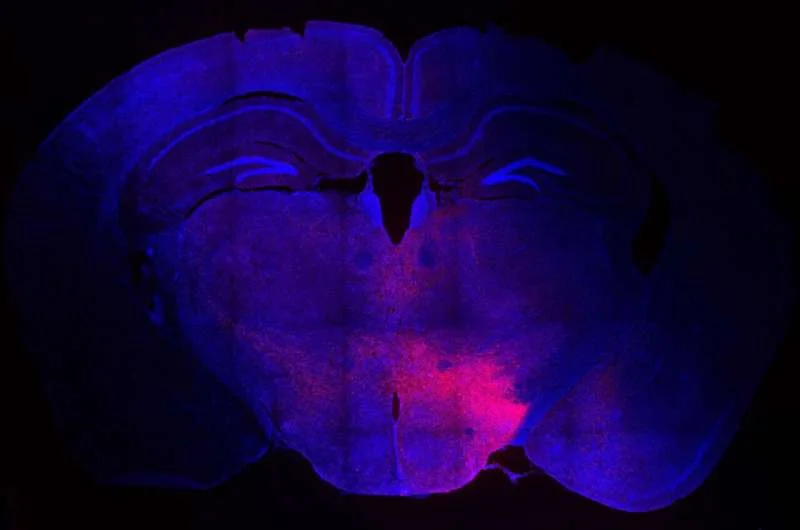
The Puzzle of Cancer and Cognitive Health
A long-standing observation in medicine is that individuals who have survived cancer appear less likely to develop dementia later in life. Conversely, people diagnosed with dementia seem to have a lower chance of developing cancer. This trend has puzzled scientists for years, sparking inquiries into potential biological connections. Recent research is beginning to shed light on this complex relationship, focusing on specific proteins and cellular processes that might play a role in protecting brain health.
Unraveling the Protective Link
Decades of observation have noted a peculiar correlation: cancer survivors often exhibit a reduced incidence of dementia. This phenomenon, where the presence of one disease seems to inversely affect the likelihood of another, has driven scientific curiosity. Current investigations are exploring whether certain biological mechanisms common to cancer survival or treatment might confer a protective effect against cognitive decline.
Read More: New Computer Programs Help Find Medicines Faster

Observation 1: People who recover from cancer are statistically less prone to developing dementia.
Observation 2: Individuals with dementia appear to have a reduced risk of being diagnosed with cancer.
Current Focus: Understanding the underlying biological factors that may link these two conditions.
Investigating the Role of Cystatin C
One area of focus is a protein known as Cystatin C. Emerging research suggests this protein, found in various bodily fluids, may offer a clue to why cancer survivors have a lower likelihood of developing cognitive diseases. Studies indicate that Cystatin C's activity is significantly reduced in individuals with dementia who have not had cancer.
Cystatin C's Role: Appears to be less active in dementia patients without a history of cancer.
Potential Significance: Its presence and activity levels might be linked to brain health and protection against cognitive decline.
Cancer Drugs Show Promise in Reversing Alzheimer's Damage
Beyond observational links, scientific endeavors are exploring therapeutic interventions. A notable development involves the use of two cancer drugs that have demonstrated an ability to reverse key aspects of Alzheimer's disease in animal models. Researchers at the University of California - San Francisco and the Gladstone Institutes used a mouse model engineered to mimic aggressive Alzheimer's disease.

Research Method: Utilized a mouse model with genetic changes typical of Alzheimer's.
Intervention: Applied a combination therapy involving two established cancer drugs.
Outcome: Observed reversal of multiple Alzheimer's-related changes in the mice.
Mechanism: The study identified gene expression patterns in brain cells affected by Alzheimer's, guiding the selection of effective drug combinations.
This work suggests that compounds initially developed for cancer treatment might hold significant potential for combating neurodegenerative diseases like Alzheimer's.
Read More: Caltech Scientist Uses Computers and Robots to Make New Medicine Molecules
Lithium's Potential in Alzheimer's Prevention and Reversal
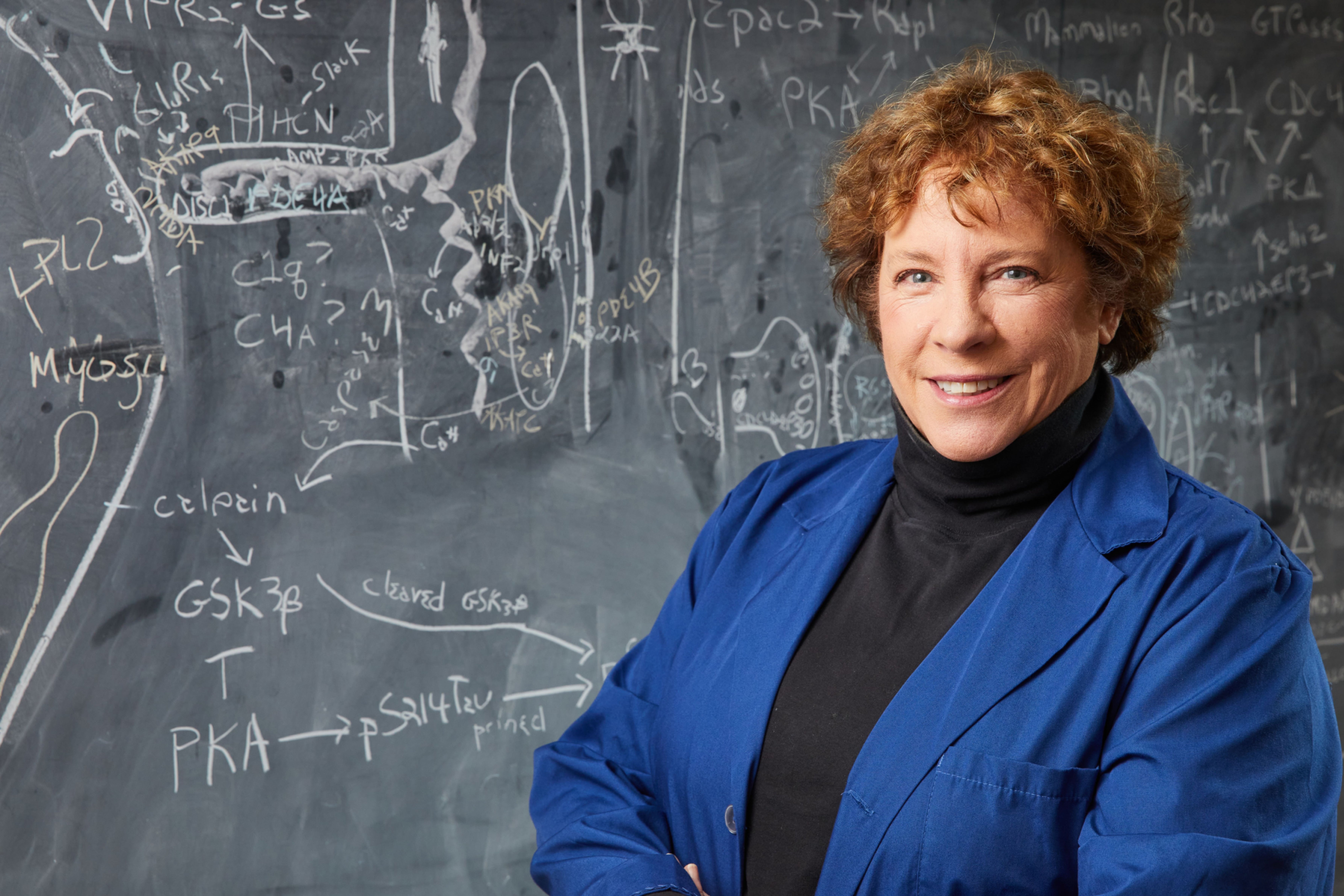
Separately, research led by Bruce Yankner at Harvard University has identified lithium, a naturally occurring element, as a potential factor in preventing or even reversing Alzheimer's disease. This research, which has been ongoing for approximately ten years, indicates that reduced lithium levels in the brain may be associated with the buildup of amyloid plaques, a hallmark of Alzheimer's.
Lithium's Function: Appears to be important for normal brain function.
Alzheimer's Connection: Reduced lithium levels are observed when amyloid plaques bind to the metal, lessening its availability.
Therapeutic Target: A novel lithium compound, lithium orotate, showed promise in mouse models by preventing and reversing Alzheimer's pathology and memory loss.
The findings suggest that maintaining adequate lithium levels or using specific lithium compounds could be a strategy against Alzheimer's progression.
Enhancing the Brain's Natural Cleanup Systems
Understanding the cellular mechanisms within the brain is also crucial. Research points to the importance of the brain's cellular cleanup crew, responsible for clearing away excess proteins and debris. In Alzheimer's patients, this cleanup activity appears to become restricted.
Normal Brain Function: Efficient removal of waste materials by specialized cells.
Alzheimer's Impairment: Reduced effectiveness of this cellular waste removal process.
Plexin-B1's Role: This protein, involved in guiding brain cell development and communication, is being examined for its connection to these cleanup processes.
Identifying ways to restore or enhance these natural cellular functions could open new pathways for treating Alzheimer's disease.
Read More: Eric Dane's daughters receive funds from GoFundMe after his death from ALS
Shifting Perspectives on Dementia's Future
While the challenges posed by dementia are significant, some research suggests a more optimistic outlook on its future prevalence. Studies at Duke University indicate that dementia rates may not be as high as previously predicted.
Generational Trends: Over the past four decades, each new generation has shown lower dementia rates compared to the preceding one.
Contributing Factors: Improvements in health behaviors are thought to partially explain this decline.
Reevaluation Needed: Current predictions about dementia's future impact may require revision based on these findings.
This research challenges the notion of a steadily increasing dementia crisis, suggesting that societal and lifestyle changes could be mitigating its future impact.
Expert Insights and Future Directions
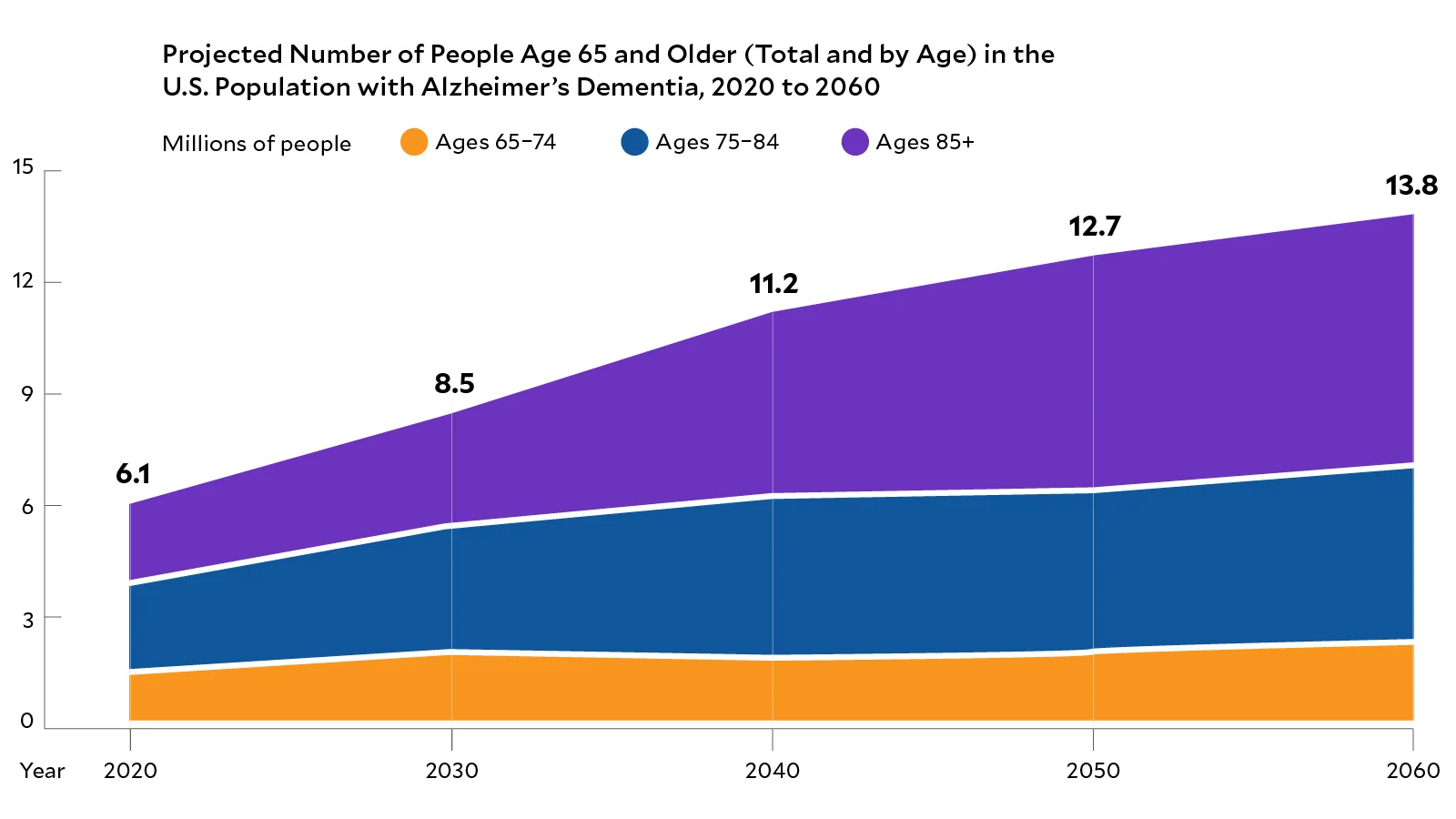
The complexity of Alzheimer's disease necessitates a multidisciplinary approach. Experts emphasize that aging remains the primary risk factor for Alzheimer's, and with increased life expectancies, the prevalence of age-related diseases, including dementia, continues to be a significant public health concern.
Aging as a Factor: Longer lifespans contribute to a higher number of individuals at risk for Alzheimer's.
Multidisciplinary Research: Addressing Alzheimer's requires collaboration across various scientific fields.
Urgent Need for Treatments: Despite progress, the demand for effective new therapies remains critical.
Conclusion: A Multifaceted Approach to Cognitive Health
The observation that cancer survivors often have lower rates of dementia is a compelling starting point for research. While Cystatin C is being investigated as a potential protective protein, the field is exploring diverse avenues. The discovery that cancer drugs can reverse Alzheimer's-like symptoms in animal models, alongside the potential of lithium in preventing and reversing disease pathology, highlights the broad spectrum of scientific inquiry. Furthermore, understanding and potentially enhancing the brain's cellular cleanup mechanisms, and recognizing that dementia rates may be influenced by generational health trends, offer a more nuanced view of cognitive disease.
Read More: IISc Brain Study Explains Why Stress Stops Itching for Some People
These advancements, though varied, collectively point towards a future where a deeper understanding of cellular processes, novel therapeutic targets, and even lifestyle factors might converge to combat dementia. The urgency for effective treatments persists, but the diverse lines of evidence suggest that progress, while complex, is being made.
Sources:
Daily Mail: https://www.dailymail.co.uk/health/article-15585779/cancer-dementia-protein-cells-prevent-cure.html
Published: Recently, focusing on Cystatin C and the general observation of lower dementia rates in cancer survivors.
ScienceDaily: https://www.sciencedaily.com/releases/2025/07/250730030402.htm
Published: July 31, 2025, detailing the use of cancer drugs to reverse Alzheimer's damage in mice.
Harvard Gazette: https://news.harvard.edu/gazette/story/2026/01/an-alzheimers-breakthrough-10-years-in-the-making/
Published: January 27, 2026, reporting on lithium's potential to prevent or reverse Alzheimer's, based on a decade of research.
Newsweek: https://www.newsweek.com/alzheimers-breakthrough-halt-disease-progression-1905966
Published: May 29, 2024, discussing a breakthrough in understanding Alzheimer's, focusing on cellular cleanup mechanisms.
TIME: https://time.com/7273212/dementia-murali-doraiswamy-eric-stallard-essay/
Published: April 1, 2025, offering a revised perspective on the future prevalence of dementia, suggesting declining rates in successive generations.
Yale News: https://news.yale.edu/2025/08/08/tipping-point-update-frontiers-alzheimers-disease-research
Published: August 8, 2025, providing an update on Alzheimer's research frontiers, acknowledging aging as a primary risk factor.
Published: January 22, 2026, briefly mentioning the link between cancer protection and Alzheimer's via proteins.