


A woman's journey to motherhood often involves navigating strict criteria for fertility treatments. For some, reaching a specific weight is presented as a prerequisite for In Vitro Fertilization (IVF), a process that itself requires significant emotional and financial investment. The requirement for a certain Body Mass Index (BMI) before accessing IVF, particularly on the National Health Service (NHS), has led to a complex debate. While some studies suggest weight loss can improve outcomes, others question the strictness of these rules and their impact on women's mental health and access to care. This has prompted questions about fairness, the effectiveness of weight-based restrictions, and whether alternative approaches are needed to support women seeking to start families.

Context of Weight Requirements for IVF
Access to IVF on the NHS in the UK often comes with stipulations related to a patient's BMI. These rules are generally put in place to improve the chances of successful treatment and reduce risks during pregnancy. However, these requirements have also led to a situation where women who do not meet the BMI criteria are denied treatment, prompting debate about the equity and effectiveness of such policies.
Read More: Ruben Loftus-Cheek has appendix surgery on March 30, 2025, misses Napoli game
BMI Thresholds: Many NHS trusts require women to have a BMI below 30 to be eligible for funded IVF. This is because higher BMIs have been linked to lower IVF success rates and increased pregnancy complications.
Individual Cases: In some instances, women with BMIs outside the recommended range have been told they are not eligible for IVF. This has led to instances where women have had to travel abroad for treatment, incurring significant personal costs.
Controversy: The strictness of these BMI requirements has been met with criticism, with some arguing that they are discriminatory and do not account for individual health factors or the emotional toll on women desperate to conceive.
Evidence on Weight Loss and IVF Success
Research offers varying perspectives on the impact of weight loss for women seeking IVF, particularly those with higher BMIs.
Potential Benefits: Some studies suggest a link between weight loss and improved fertility outcomes.
A University of Oxford study indicated that women with obesity seeking IVF were 47% more likely to conceive naturally after weight loss. This research also highlighted that structured weight loss support could help women become eligible for NHS treatment.
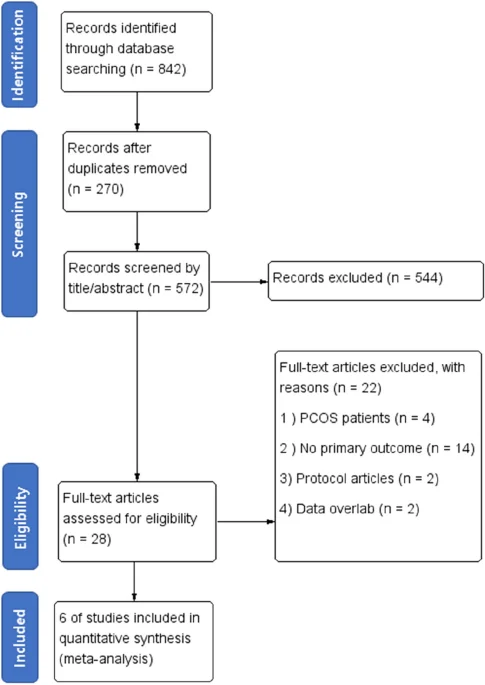
One small pilot study mentioned in a Scientific Reports article found that short-term weight loss improved pregnancy rates in overweight/obese women undergoing IVF.
Contested Effectiveness: Other research casts doubt on the immediate benefits of intensive weight loss specifically before IVF.
A systematic review and meta-analysis published in Scientific Reports concluded that intensive weight loss immediately before IVF in women with obesity or overweight did not necessarily improve reproductive outcomes.
A NPR opinion piece argued that for many women, improving health through weight loss may not be possible, and that IVF success rates, while lower for higher weight women, do not differ "substantially."
Stories of Navigating IVF Restrictions
Several personal accounts illustrate the challenges women face when their weight impacts their access to IVF.
Achieving Eligibility:
Sarah Burbage, a 38-year-old from Great Yarmouth, was told she was too overweight for IVF on the NHS. She lost six stone through Slimming World over two years, bringing her BMI below 30, and subsequently had a successful round of IVF.
Cherie Lupu, after a stillbirth and subsequent weight gain to 21 stone, was informed her BMI of 47 prevented her from having IVF. She has since lost six stone and adopted a healthier diet with the goal of starting fertility treatment.
Seeking Treatment Abroad:
Rebekah, a woman facing a BMI restriction in the UK, traveled to Prague for IVF treatment, costing approximately £5,500. She was told by UK doctors she was ineligible for treatment and advised to lose weight.
The Impact of BMI Rules:
A case highlighted by the Daily Mail involved Samantha Barrett, who was told she was "too slender" for IVF on the NHS. With a BMI of 18.5 (below the typical NHS target of 19), she was repeatedly refused treatment and subsequently experienced mental health issues. This has led to criticism of minimum weight rules for IVF.
Expert Perspectives on IVF and Weight
Medical professionals and researchers hold differing views on the rationale and application of weight-based criteria for IVF.
"Women below a BMI of 18.5 should be told about the risks and encouraged to reach that BMI threshold, but it seems excessive to deny all these women fertility treatment as a general rule."
— Dr. Raj Mathur, chair of the British Fertility Society
Dr. Mathur suggests a more nuanced approach, advocating for counseling women with low BMIs about risks rather than outright denial of treatment.
Dr. Channa Jayasena, a consultant endocrinologist, has indicated that NHS IVF funding constraints can lead to the implementation of weight restrictions to maximize treatment success rates.
Research from the University of Oxford suggests that offering structured weight loss support could not only help women become eligible for NHS treatment but also increase their chances of conceiving naturally, potentially avoiding the need for IVF altogether. However, they note the need for larger trials to confirm the effect on live births.
Conclusion: Balancing Access and Outcomes
The evidence indicates that for some women, weight loss can indeed be a factor in achieving eligibility for NHS-funded IVF, as demonstrated by cases like Sarah Burbage and Cherie Lupu. The University of Oxford study also points to a potential increase in natural conception rates following weight loss interventions for women with obesity.
However, the effectiveness of intensive weight loss immediately before IVF remains a subject of ongoing debate, with some systematic reviews suggesting it does not consistently improve reproductive outcomes. Furthermore, the strict application of BMI thresholds, whether high or low, can lead to significant barriers for women. The case of Samantha Barrett, denied IVF for being "too slender," highlights the distress and criticism such rigid rules can provoke.
Read More: UK Energy Bills To Be Cut Significantly From July 2026 Due To Lower Wholesale Costs
The disparity in findings and the personal experiences shared underscore the need for a balanced approach. This involves:
Continued Research: Further investigation into the precise impact of various weight loss strategies on IVF success and natural conception rates is warranted.
Personalized Care: Exploring individual health factors beyond BMI may be crucial for a more equitable approach to fertility treatment access.
Support Systems: Offering comprehensive weight management support as part of fertility pathways could benefit women regardless of immediate IVF eligibility.
Policy Review: Re-evaluating the blanket application of BMI restrictions may be necessary to ensure that women's access to vital fertility treatments is fair and supportive.
Key Sources
ivfbabble.com: Reports on personal IVF journeys, including Sarah Burbage's success after weight loss. https://www.ivfbabble.com/woman-loses-six-stone-to-have-ivf-baby/
Daily Mail: Features stories of women seeking IVF, including Rebekah's experience traveling to Prague and Samantha Barrett being denied IVF for being underweight. https://www.dailymail.co.uk/lifestyle/article-14426641/mother-55000-prague-IVF-uk-doctors-overweight.html and https://www.dailymail.co.uk/news/article-11852103/An-8-half-stone-woman-told-NHS-slender-given-IVF.html
University of Oxford: Publishes research findings on weight loss and fertility outcomes. https://www.ox.ac.uk/news/2025-08-12-women-obesity-seeking-ivf-found-be-47-more-likely-conceive-naturally-after-weight
Mirror: Reports on personal experiences with IVF restrictions, such as Cherie Lupu's story. https://www.mirror.co.uk/news/uk-news/i-too-fat-ivf-after-16231631
NPR: Features opinion pieces discussing the implications of IVF restrictions. https://www.npr.org/sections/health-shots/2024/01/14/1224546666/opinion-women-with-obesity-are-often-restricted-from-ivf-thats-discriminatory
Nature Scientific Reports: Publishes peer-reviewed scientific research on IVF and weight loss. https://www.nature.com/articles/s41598-024-56818-4



:max_bytes(150000):strip_icc():focal(1012x754:1014x756)/Eric-Dane-Rebecca-Gayheart-2006-021926-4fb8e2cf200b4e1b927e97b6e7da2f90.jpg)
