A significant financial strain is impacting local authorities across England due to escalating costs for transporting children with special educational needs and disabilities (SEND) to school. This situation is prompting calls for substantial reforms, including the introduction of means testing for this essential service. The rising demand and increasing expenses are creating a challenging balancing act for councils, as they strive to meet their legal obligations while managing tight budgets.

The Growing Financial Pressure on SEND Transport
Local authorities in England are facing a critical juncture concerning the funding of transport for students with SEND. Reports indicate that these costs are not only spiraling but are also projected to continue their upward trajectory in the coming years. This has led to a situation where many councils are overspending their allocated budgets for school transport, raising concerns about the long-term financial sustainability of these services.
Read More: Andhra University Shatabdi Mahotsav April 6-8 brings cultural shows to Visakhapatnam

The County Councils Network has highlighted that spiraling SEND transport budgets threaten the financial sustainability of England's largest councils.
The National Audit Office (NAO) reports that home-to-school transport is one of the fastest-growing areas of spending for local authorities in England.
Councils are spending approximately five times more on transport per child with SEND compared to other children.
An estimated 520,000 children and young people in England received home-to-school transport, costing local authorities £2.3 billion in 2023-24.
Proposed Reforms and Potential Impacts
In response to these pressures, several proposals are being considered to reshape the provision of SEND transport. These changes, however, carry the risk of sparking opposition from advocacy groups and parents who fear a reduction in legal protections and support for vulnerable children.

A "radical shake-up" of SEND support is understood to be in development, potentially including changes to how transport is funded and accessed.
Some councils are implementing measures to cut spending on home-to-school transport, leading to concerns about longer, more arduous journeys for pupils.
Leicester City Council, for instance, adjusted its proposals to cut SEND transport by offering independent travel training or personal transport budgets for students over 16, unless their needs are severe.
The County Councils Network recommends reforms, including the introduction of a national means-testing policy for home-to-school transport.
The Legal Landscape and Council Obligations
Local authorities are legally bound to provide transport for children who cannot walk to school due to distance, disability, or safety concerns. This includes children with SEND who have mobility difficulties or attend a school named in their Education, Health and Care Plan (EHCP). However, councils are not obligated to provide free transport for students over the age of 16, though cuts can still breach the law if they prevent young people from reaching their named school or college.
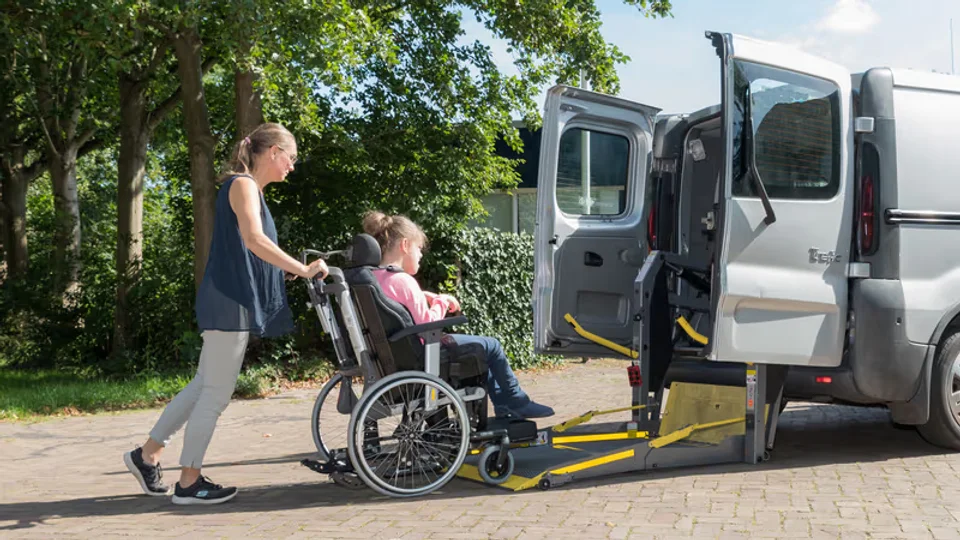
Councils are struggling to balance their legal duty to provide transport for eligible pupils with the duty to balance their budget.
If transport cuts mean young people cannot get to the school or college named in their EHCP, councils may be breaking the law.
There is no legal duty to provide free transport for children under compulsory school age.
Contributing Factors to Rising Costs
Several factors are contributing to the increasing demand and cost of SEND transport. Reductions in public transport services, particularly in rural areas, have led to a greater reliance on local authority-provided transport. Furthermore, an increase in the number of children and young people assessed as having SEND has direct implications for transport provision.
Read More: White House App Shares Data With Russian-Founded Software
Reductions in public transport services, especially in rural areas, have increased reliance on local authority transport.
An increase in the number of children and young people assessed with SEND has significant implications for transport needs.
Inflationary costs are also contributing to the overall increase in transport expenses.
Differing Perspectives on Reform
While councils are advocating for changes to manage financial pressures, concerns remain about the potential impact on families. Advocacy groups worry that proposed reforms might weaken existing legal rights and protections for children with SEND.
Councils are calling for "radical" solutions, including means testing, to address financial unsustainability.
SEND campaign groups are wary of reforms that could be perceived as a "watering down" of legal rights.
Experts emphasize that home-to-school transport must be a core consideration within SEND reforms to ensure a more cohesive system.
Conclusion and Future Considerations
The escalating costs associated with SEND transport present a complex challenge for local authorities in England. The County Councils Network and the National Audit Office have both issued reports highlighting the financial pressures and recommending systemic reforms. The call for "radical" changes, such as national means testing, signals a desire for substantial intervention. However, any proposed reforms will need to navigate the delicate balance between fiscal responsibility and the legal and ethical obligations to ensure all children, regardless of their needs, can access education without transport being a barrier. The effectiveness of future SEND reforms will likely hinge on their ability to address these transport pressures comprehensively, potentially involving clearer guidance and revised funding models from the Department for Education.
Read More: Andhra University's Centenary Adds Skill Centre and Global Fiesta
Sources Used:
BBC News: https://www.bbc.co.uk/news/articles/cx2d041wl6po - Provides insight into a potential broad shake-up of SEND support, including transport, and the risk of political backlash.
Schools Week: https://schoolsweek.co.uk/the-long-and-winding-road-for-send-pupils/ - Details council measures to cut SEND transport spending, specific council actions, and legal nuances regarding transport for over-16s.
County Councils Network: https://www.countycouncilsnetwork.org.uk/spiralling-send-transport-budgets-threaten-financial-sustainability-of-englands-largest-councils-report-reveals/ - Reports on the financial unsustainability due to spiraling SEND transport budgets and recommends reforms including national means testing.
Netmoms: https://www.netmums.com/child/education/why-home-to-school-transport-must-be-part-of-the-send-reform-say-experts - Discusses who qualifies for free school transport and the necessity of including transport in SEND reform.
National Audit Office (NAO): https://www.nao.org.uk/press-releases/send-reforms-need-to-address-home-to-school-transport-pressures/ - Examines the reasons for the fast growth in SEND transport spending, the NAO's recommendations for reforms, and the struggle for local authorities to balance duties.
Open Access Government: https://www.openaccessgovernment.org/rising-costs-put-send-home-to-school-transport-under-pressure-warns-nao/200685/ - Reports on rising demand and costs pressuring SEND home-to-school transport, citing NAO findings and expert comments.
Truth About Local Government: https://www.truthaboutlocalgovernment.com/post/send-transport-reform-a-critical-piece-of-the-puzzle - Frames SEND transport costs as a pressing financial challenge and highlights the need for clearer statutory guidance and funding reform.