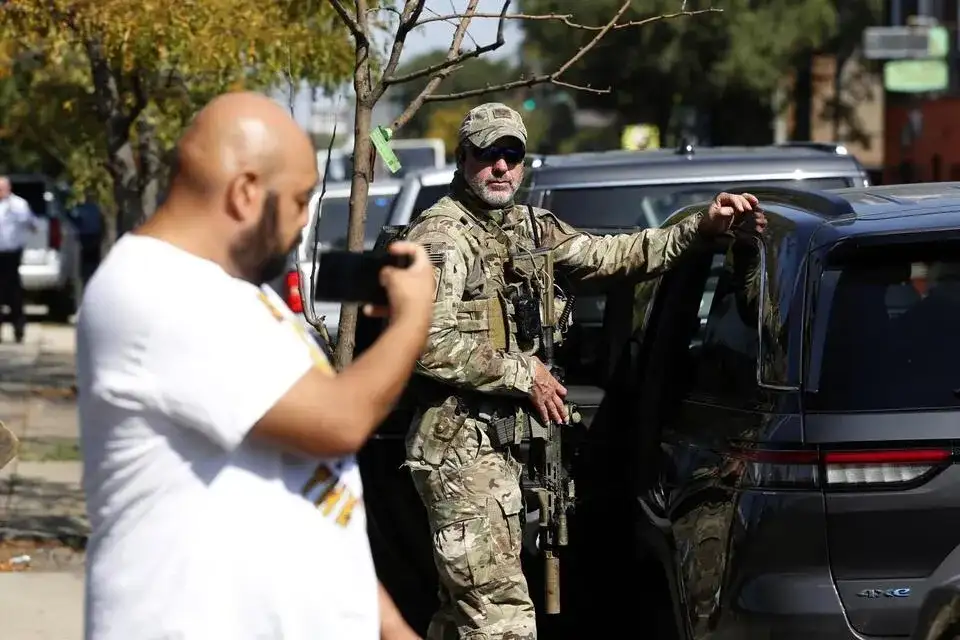
Extreme weather events, such as recent floods and storms, have underscored concerns that a shutdown within the Department of Homeland Security (DHS) could leave local emergency responders without vital federal support. Officials warn that the lack of consistent federal funding could impact preparedness and response capabilities during critical incidents.

The Department of Homeland Security (DHS) has experienced a funding lapse, meaning some government operations have stopped because Congress did not agree on new funding before the old funding expired. This situation affects agencies within DHS, including the Transportation Security Administration (TSA), the Federal Emergency Management Agency (FEMA), the Coast Guard, and the Cybersecurity and Infrastructure Agency. Federal workers in these departments may be required to work without immediate pay, leading to financial strain and potential impacts on services.

Funding Stalemate and Shutdown Initiation
The funding for the Department of Homeland Security expired at 12:01 a.m. on a recent Saturday. This occurred after Congress failed to pass a bill to continue funding its operations before a temporary funding measure ran out. The primary point of contention in the funding debate involves proposed restrictions on President Donald Trump's immigration enforcement agenda.
Read More: US Automatic Draft Registration Starts December 2024 for Men

The shutdown is specific to DHS, not impacting other federal agencies.
Federal law enforcement officers whose duties involve protecting life or property are generally expected to continue working, though their pay may be delayed.
Administrative roles not directly tied to immediate life or property protection may face furlough.
Impact on Federal Workers and Services
A significant concern is the impact on federal employees, many of whom experienced financial hardship during previous shutdowns.

TSA Workers: Many TSA agents have reported still recovering from the effects of a lengthy previous shutdown. Paychecks due around March 3rd could be reduced depending on the shutdown's duration.
FEMA Staff: While many FEMA staff might continue to be paid during a shorter shutdown, prolonged funding lapses could lead to reduced operations for the agency, which is a major recipient of congressional funding.
ICE and CBP: Typically, most Immigration and Customs Enforcement (ICE) and Customs and Border Protection (CBP) staff would work without pay during a shutdown.
Overall Workforce: More than 260,000 people work for DHS. A substantial number of these personnel are expected to continue working without guaranteed immediate pay.
Disaster Preparedness and Response
The shutdown raises questions about the continuity of federal support for emergency response, particularly as regions face extreme weather.
FEMA's Role: FEMA is a key agency in disaster response. Reduced operations could potentially slow down or complicate the federal government's ability to assist state and local entities during emergencies.
Uncertainty for Local Responders: The extent to which local emergency responders can rely on federal resources, such as technical assistance, equipment, or personnel from DHS agencies, during a shutdown remains a significant question. While federal law enforcement may continue their duties, the broader operational capacity of agencies like FEMA could be affected.
Prior Shutdowns: During a previous 43-day shutdown, the Trump administration reallocated funds to ensure military service members and law enforcement officers were paid. The current administration's approach to maintaining essential services and pay during this shutdown has not been fully detailed in public statements from DHS.
Conflicting Views on Severity
While the funding lapse is official, the immediate and widespread impact is subject to interpretation and the shutdown's duration.
| Agency/Area | Potential Impact | Nuance |
|---|---|---|
| TSA Operations | Potential for disruptions in airport screening if the shutdown is prolonged, with workers facing pay delays. | Many TSA workers are still dealing with the aftermath of a previous lengthy shutdown. |
| Disaster Aid | FEMA's operations could see reductions, impacting preparedness and response efforts. | The exact impact on FEMA's ability to assist during emergencies is not fully clarified and may depend on the shutdown's length. |
| Transnational Crime | Acting ICE Director Todd Lyons indicated the shutdown could affect DHS's work on transnational crime. | No specific impact on immigration operations was noted by the Acting ICE Director. |
| Law Enforcement | Federal law enforcement officers with duties protecting life/property are expected to continue working. | Paychecks for these essential personnel could be delayed, and the agency did not provide comment on whether they would be paid during the shutdown. |
Expert Perspectives
Experts express concern that a prolonged shutdown could erode readiness and complicate coordination between federal and local emergency management agencies. The financial strain on federal workers is also a recurring theme, with many still recovering from previous periods of unpaid work.
Read More: Automatic Draft Registration May Harm Transgender and Immigrant Youth
Conclusion and Unanswered Questions
The Department of Homeland Security is currently operating under a funding lapse, leading to potential disruptions and financial difficulties for its workforce. While essential law enforcement functions are expected to continue, the full impact on disaster response capabilities and the preparedness of federal agencies like FEMA remains a subject of ongoing concern. The duration of the shutdown will be a critical factor in determining the extent of these impacts.
The core issue is the absence of Congressional agreement on DHS funding, which has resulted in a partial government shutdown, affecting key agencies and their personnel.
Further clarity is needed regarding:
The specific operational capacity of FEMA and its ability to respond to emergent weather events.
The precise protocols for ensuring federal emergency responder availability and compensation during extended shutdowns.
The long-term effects on federal employees' morale and retention due to repeated funding lapses.
Sources Used
CBS News: Published 5 days ago. Details the shutdown of DHS and lists affected services like TSA, FEMA, and Coast Guard. https://www.cbsnews.com/news/dhs-government-shutdown-services/
PBS NewsHour: Published 5 days ago. Explains the reasons for the DHS shutdown and potential effects on workers and services like airport screening. https://www.pbs.org/newshour/politics/what-services-are-affected-by-the-homeland-security-shutdown-what-you-need-to-know
Fox News: Published 5 days ago. Discusses who works without pay, impacts on airports and disaster response, and mentions TSA paychecks. https://www.foxnews.com/politics/dhs-shutdown-explained-who-works-without-pay-what-happens-airports-disaster-response
AP News: Published 5 days ago. Covers the expiration of DHS funding and its connection to the immigration enforcement agenda debate. https://apnews.com/article/homeland-security-shutdown-ice-funding-7bf62bc50ca0a6a6013a714bee2ffdb4
NPR: Published 4 days ago. Highlights that the shutdown exclusively affects DHS and mentions the large number of personnel who continue working without pay. https://www.npr.org/2026/02/14/nx-s1-5713914/department-of-homeland-security-shutdown
Federal News Network: Published 5 days ago. Details how the shutdown affects different DHS components and employees, including FEMA and ICE staff. https://federalnewsnetwork.com/government-shutdown/2026/02/how-a-dhs-shutdown-affects-different-components-and-employees/
CNN Politics: Published 6 days ago. Explains the partial government shutdown affecting DHS and the debate surrounding its funding. https://edition.cnn.com/2026/02/12/politics/department-homeland-security-government-shutdown