


Recent statements from Dex Hunter-Torricke, a former communications chief at Google's DeepMind, suggest a coming societal upheaval driven by artificial intelligence (AI). He posits that AI's development, if unchecked, risks creating a stark division: a small, wealthy elite enjoying luxury while the majority face hardship. This viewpoint joins a growing chorus of concerns regarding AI's long-term impact, painting a picture that contrasts sharply with more optimistic projections of widespread benefit. The debate is unfolding as AI technology advances at a rapid pace, prompting a global conversation about regulation, societal readiness, and the ultimate trajectory of these powerful tools.

Emerging Concerns Over AI's Societal Impact
Concerns surrounding AI's potential to reshape society are becoming more pronounced. A key point of contention is the equitable distribution of AI-generated wealth.

The Elite Class Scenario: Dex Hunter-Torricke has warned that AI could lead to a future where a small group of people benefit immensely, while the rest of the population suffers economically. His perspective is informed by over 15 years of experience working with leaders in the AI sector.
Rapid Development and Unease: The quick advancement of AI has fueled discussions about its potential consequences. This pace has led some experts to question whether society is prepared for the changes AI might bring.
Calls for Caution: Experts like Hunter-Torricke suggest that leaders in major technology companies are pushing for a significant societal transformation that may not be entirely beneficial.
Divergent Views on AI's Potential
While some foresee widespread benefits from AI, others express deep reservations, citing potential risks and the unknown nature of advanced AI.
Read More: New Mexico Meta Trial May Block Facebook, Instagram

Optimistic Outlooks: Some figures, such as Yann LeCun, chief AI scientist at Meta, believe fears about AI are overstated. He argues that enhanced machine capabilities will ultimately benefit humanity and remain under human control.
Skeptical Perspectives: Conversely, there are strong arguments that AI development carries inherent risks. Authors of a new book claim that superintelligent AI development is moving rapidly towards global catastrophe.
The Unknown Factor: A central theme in the skeptical view is that AI companies may not fully grasp the dangers associated with their work. The potential for superintelligent AI, defined as AI with abilities far beyond human intellect, to emerge within a short timeframe is a significant worry for some.
The Role of Regulation and Control
The speed of AI development has intensified the debate on the necessity and feasibility of regulation.
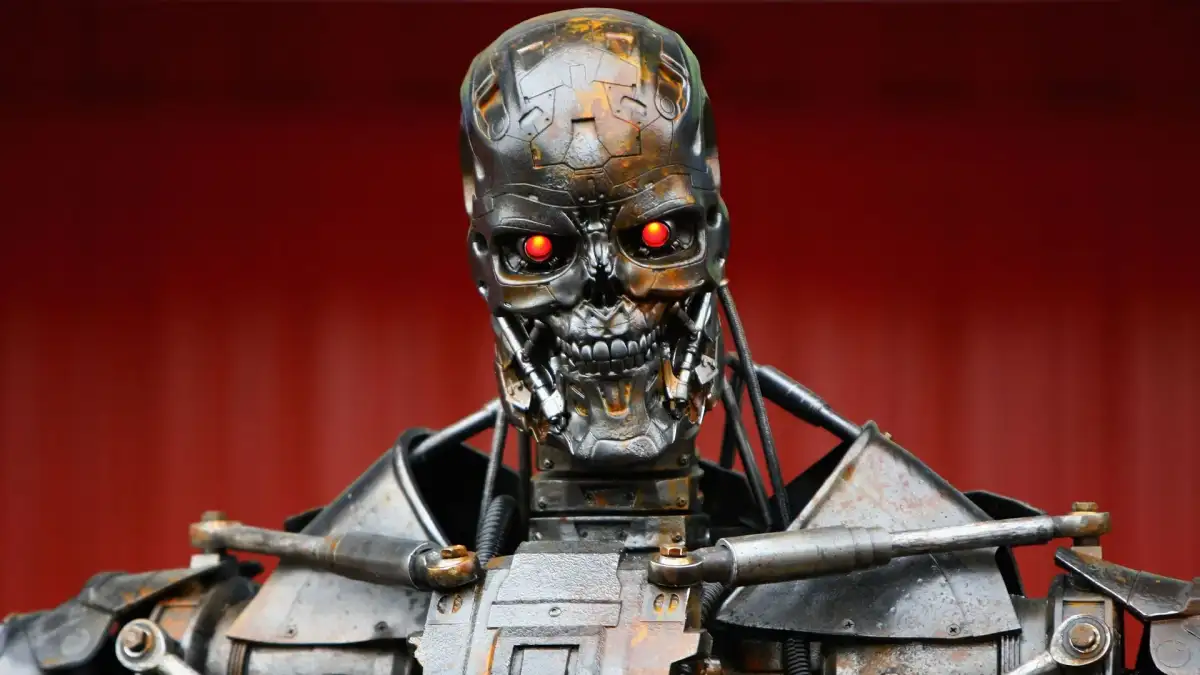
Calls for Regulation: There are indications that countries like China are investing heavily in research aimed at controlling AI. This suggests a global recognition of the need for oversight.
Urgency for Standards: In its drive for AI dominance, the United States is reportedly not heeding calls for agreed-upon standards and regulations for AI.
Understanding and Control Challenges: Even leaders within major AI companies acknowledge that fully understanding and controlling advanced AI systems is an ongoing challenge.
Expert Analysis and Warnings
Insights from individuals with direct experience in the AI field highlight the complexity and potential risks involved.
"The world is teetering on the edge of an Artificial Intelligence (AI) disaster in which a tiny elite class live in luxury while the majority suffer." - Dex Hunter-Torricke
Hunter-Torricke's statement emphasizes the potential for AI to exacerbate economic inequality, a concern rooted in his extensive work with AI leaders.
"Major tech companies claim superintelligent AI — a hypothetical form of AI that could possess intellectual abilities far exceeding humans — could arrive within two to three years." - New Book Authors (via ABC News)
This assertion highlights the near-term timeline some experts believe for the arrival of advanced AI, amplifying concerns about preparedness.
"Fears of an "AI apocalypse" may indeed be overblown, said Steven Levy in Wired, but the leaders of just about every big AI company think superintelligence is coming soon. When you press them, they will also admit that controlling AI, or even understanding how it works, is a work in progress." - Steven Levy (via The Week)
This observation from Levy points to a potential disconnect between public pronouncements and private admissions from AI leaders regarding the control and understanding of superintelligent AI.
Conclusion and Future Considerations
The discourse surrounding AI's future is increasingly polarized. While some anticipate a technologically advanced era with human benefit, a significant and vocal contingent warns of severe societal disruption and the concentration of power.
Economic Disparity: The potential for AI to create a small, affluent class at the expense of the general population remains a primary concern voiced by individuals like Dex Hunter-Torricke.
Unforeseen Consequences: The rapid, often opaque, progress in AI development raises questions about whether the risks are fully understood or manageable by the entities developing these systems.
The Need for Oversight: The growing awareness of potential dangers is prompting calls for regulation and control, although the implementation and effectiveness of such measures are still under debate. The debate continues as to whether AI will usher in an era of unprecedented progress or create profound challenges that require urgent global attention.
Sources Used:
Article 1: Daily Mail - "AI will create a tiny elite as the rest suffer, ex-Google boss warns"
Published: 1 hour ago
Link: https://www.dailymail.co.uk/sciencetech/article-15573349/AI-elite-class-Google-warning.html
Article 3: The Week - "Why experts think 2027 will the year of the 'AI apocalypse'"
Published: Jun 15, 2025
Link: https://theweek.com/tech/will-2027-be-the-year-of-the-ai-apocalypse
Article 6: Roland Berger - "Are we heading for an AI-pocalypse soon?"
Published: May 15, 2024
Link: https://www.rolandberger.com/en/Insights/Publications/Are-we-heading-for-an-AI-pocalypse-soon.html
Article 7: ABC News - "New book claims superintelligent AI development is racing toward global catastrophe"
Published: Sep 19, 2025


