The cost of your Easter indulgence hinges not just on your wallet, but on a tangled web of ingredients and origins. For the discerning chocolate buyer, the glint of foil may hide a less-than-appetizing reality, marked by opaque sourcing and an ingredient list that reads more like a chemical experiment than a confectionery delight. The prevailing narrative suggests that the rising price of cocoa, a global commodity, translates directly to increased consumer costs, but this masks deeper issues surrounding ingredient quality and ethical production.

THE VEIL OF INGREDIENTS AND APPEARANCE
Consumers are advised to scrutinize the back of the packaging. The first ingredient listed, by weight, offers a stark indicator of quality. For chocolate, particularly white varieties, a high proportion of cacao (or cocoa butter for white chocolate) and sugar is expected. A long list of unpronounceable additives, or the prominence of sugar and artificial sweeteners at the top of the ingredient manifest, signals a deviation from what might be considered a purer product.
Read More: Paella Recipe Updates: Bomba Rice and No Stir Rule

Beyond the list of components, a physical inspection is also suggested. A lackluster sheen, an absence of the characteristic gleam, can point to chocolate that is past its prime or of inferior quality. This visual cue, coupled with an understanding of ingredient hierarchy, forms a preliminary defense against disappointing purchases.
GLOBALSOURCING AND ETHICAL QUAND।ES
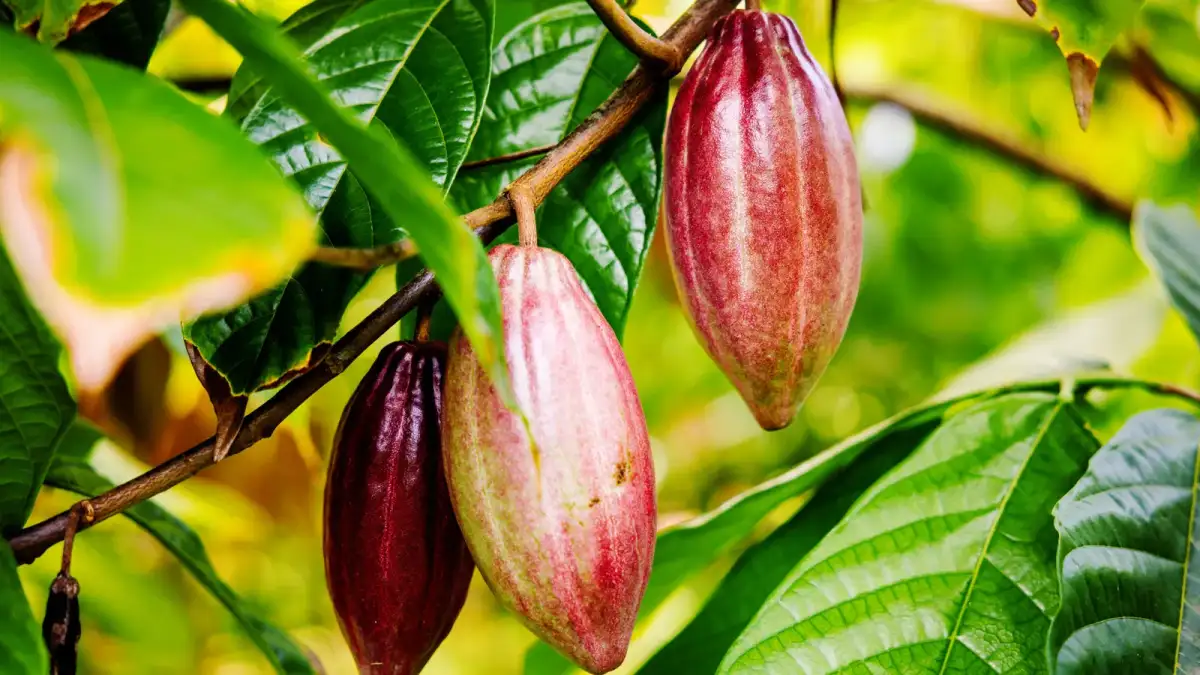
The origin of cocoa beans, and where chocolate is processed, carries significant weight. The concept of 'value-added-at-source' (VAS) chocolate, where manufacturing occurs in the same country as cultivation, is highlighted as a mechanism for ensuring more profits remain within cocoa-growing nations. However, this ethical dimension often remains obscured.
Reports indicate that major, widely recognized brands frequently fall short in their cocoa sourcing ratings, demonstrating inadequate policies. This lack of transparency leaves consumers with limited recourse to support more equitable trade practices through their purchasing decisions.
Read More: Martin Lewis Asks Labour to Act on Scams
BEYOND THE BAR: PRICE AND PERCEPTION
While price is often considered an indicator, it’s a complex and sometimes misleading metric. Historically high cocoa prices have undeniably driven up the cost of chocolate across the board. Yet, a premium price tag does not inherently guarantee superior quality or ethical production. Consumers are cautioned against making assumptions based solely on cost.
Ultimately, the act of buying chocolate, especially during seasons like Easter, becomes an exercise in awareness. Understanding the interplay of ingredients, visual cues, sourcing practices, and the market's economic forces allows for a more informed, and perhaps more satisfying, consumer choice. The simple pleasure of a chocolate treat is thus framed within a broader context of industrial production and global commerce.
:max_bytes(150000):strip_icc()/image-460-7bdc9b0a055246f0b95bfb1b800773ec.jpg)