A collaborative garden, designated "The RHS and The King’s Foundation Curious Garden," is set to debut at the upcoming RHS Chelsea Flower Show. The project aims to foster greater interest in gardening and nature among the public, featuring plants and design elements intended to inspire exploration and discovery. The initiative involves garden trainees and apprentices from both the RHS and The King's Foundation, who will contribute to the garden's construction and planting.
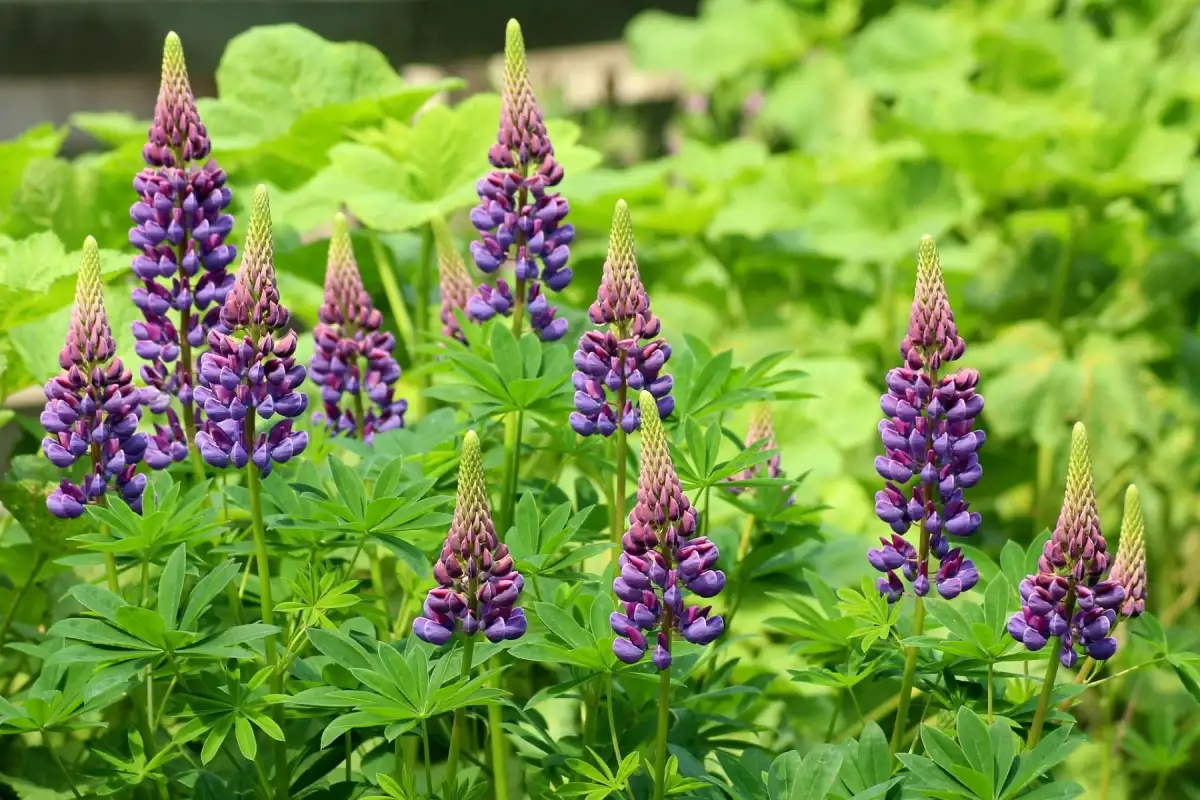
The garden's design incorporates specific floral tributes, including delphiniums, reportedly favored by the King, and roses named after prominent figures associated with the project. One such rose, "The King's Rose," is described as a pink and white striped English shrub rose with a scent of apple and rosewater. Another rose, named after Alan Titchmarsh, is noted for its pink, peony-like bloom. The inclusion of gnomes in the garden marks a rare instance, with the RHS lifting its ban on the ornamental figures for only the second time in its history, nodding to a tradition at Highgrove Gardens.
Read More: Old Advice: Put Tin Can on Lawn Near Danube?
The conceptual heart of the garden is an oak structure envisioned as a 'museum of curiosities,' designed to showcase a variety of plant-related items and horticultural displays. This design element is intended to celebrate the breadth of plant life and its diverse applications, including contributions from artisans skilled in woodwork and other crafts, particularly those from The King's Foundation's programs. The garden's purpose extends beyond the show, with plans for its eventual relocation to an urban setting to engage young adults and promote nature in city environments.
Collaborative Efforts and Motivations
The project is a joint venture between the Royal Horticultural Society (RHS) and The King's Foundation, an organization focused on nature and sustainability. Alan Titchmarsh, a broadcaster and gardener, emphasized the foundational role of curiosity in embarking on a gardening path, expressing hope that the garden will encourage a new generation to pursue horticultural interests through available training and experience schemes. Frances Tophill, serving as the garden designer, stated her excitement in bringing her first Chelsea garden to life and exploring her own curiosity about plants and their importance for human and planetary health.
Read More: Lupine Flowers Bloom Late Spring, Enrich Garden Soil

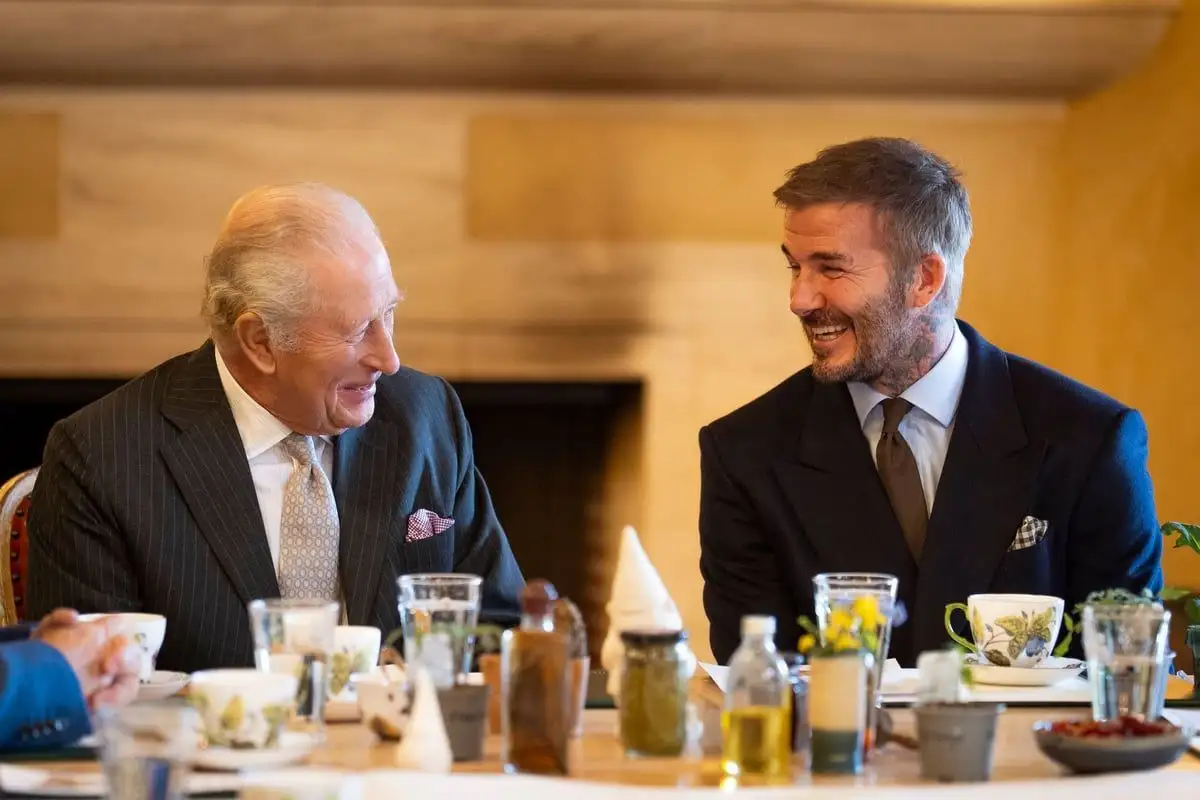
Sir David Beckham, acting as an ambassador for The King's Foundation, has also been involved in the conceptualisation of the garden. He articulated his belief that gardening is intrinsically linked to curiosity and expressed eagerness to participate. The overarching theme of the garden is to highlight the crucial role of plants in supporting both human well-being and the health of the planet, aiming to mitigate biodiversity and climate challenges.
Design Inspirations and Practical Applications
The garden is designed to offer visitors actionable ideas for cultivating plants in various settings, from windowsills and containers to larger garden spaces. A key principle of the construction is sustainability, with an emphasis on avoiding man-made materials. The design draws inspiration from Highgrove, aiming to reflect King Charles III's 'Harmony' philosophy, which advocates for a holistic approach to gardening and nature.
Read More: Memphis Neighbors Swap Backyards for Flower Gardens
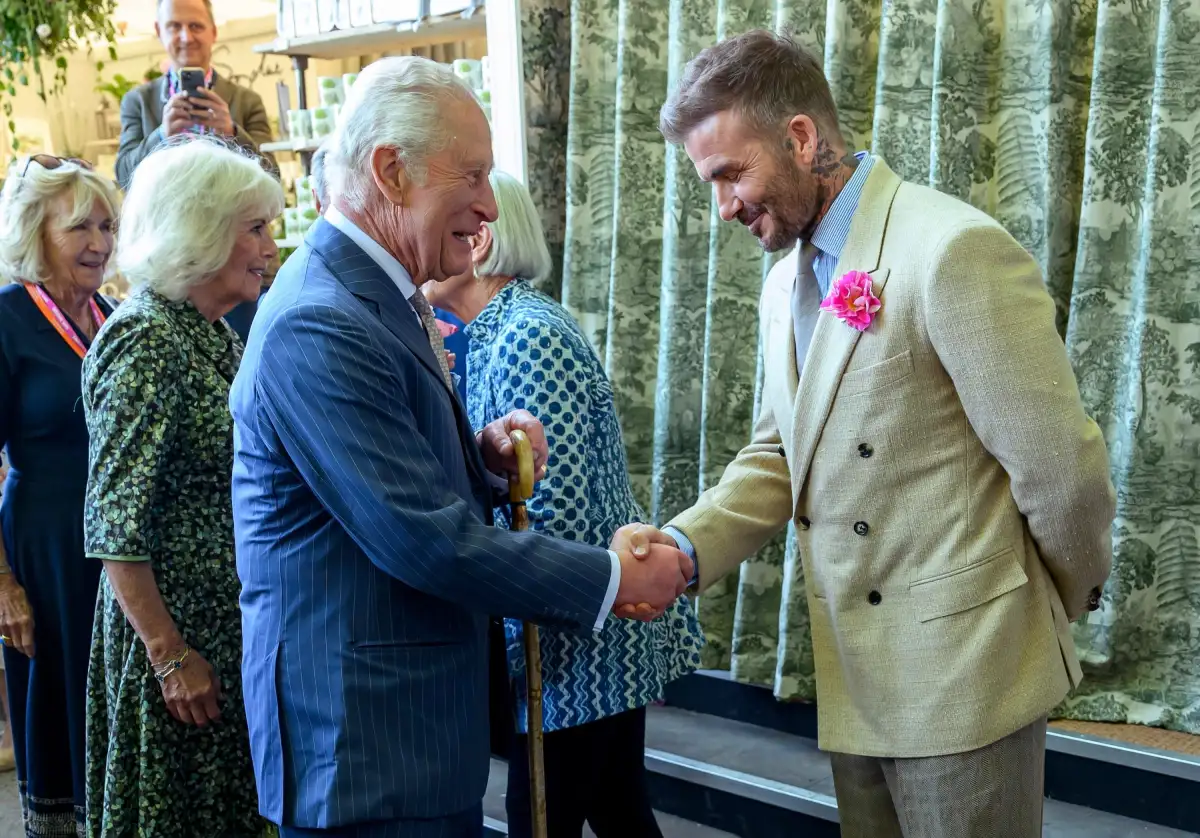
The involvement of trainees and apprentices from RHS Wisley and Highgrove Gardens signifies a commitment to practical education and the development of traditional craft skills. These young individuals will play a direct role in the garden's physical creation at the Royal Hospital Chelsea. The King reportedly met with some of these trainees to learn about their contributions. The garden aims to showcase high standards of horticulture and celebrate the diverse range of career paths available within the field.