DUBAI's carefully crafted facade of an unassailable haven has fractured, as the reality of conflict intrudes upon the lives of its resident and visiting influencers. Recent Iranian missile strikes, impacting even the exclusive Palm Jumeirah, have forced public figures accustomed to projecting an image of seamless luxury to confront the unsettling proximity of war. Many have found their curated content abruptly interrupted by airborne explosions, their carefully constructed narratives of safety undermined by their own firsthand accounts and the logistical chaos that followed.

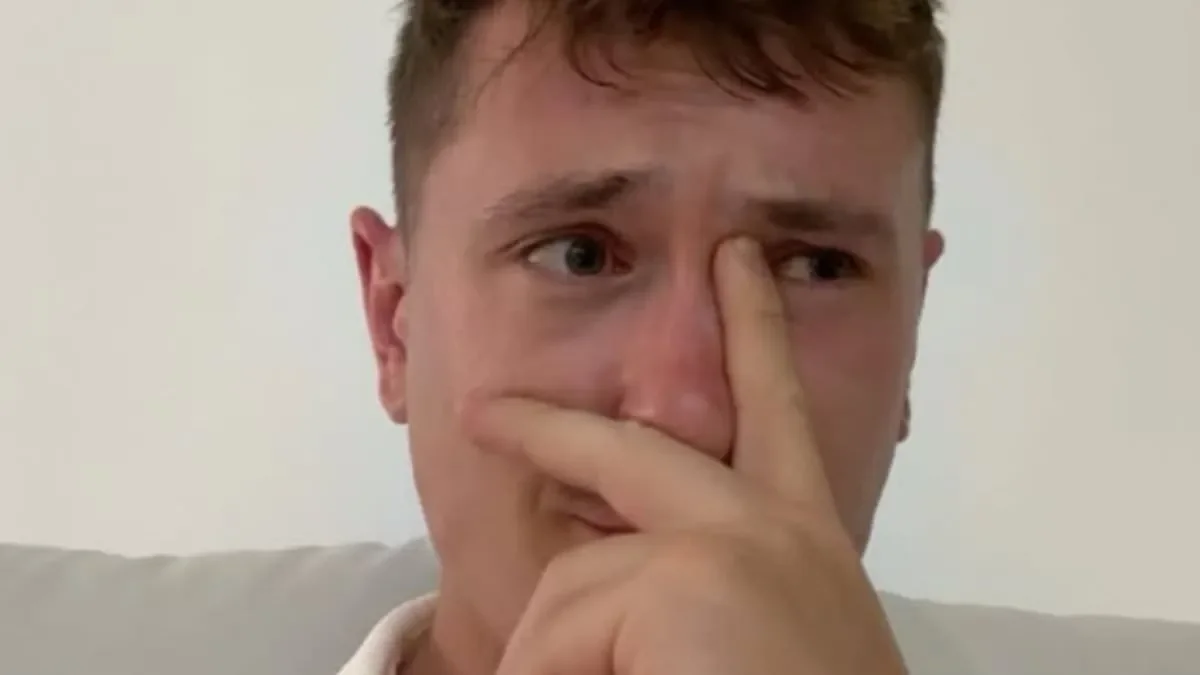
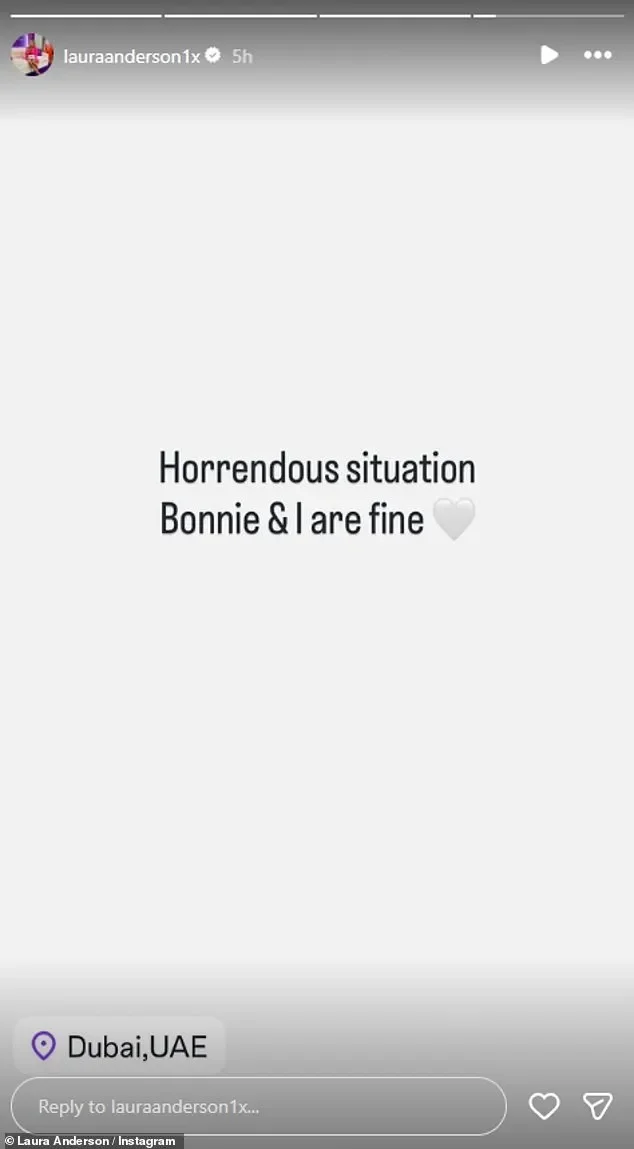
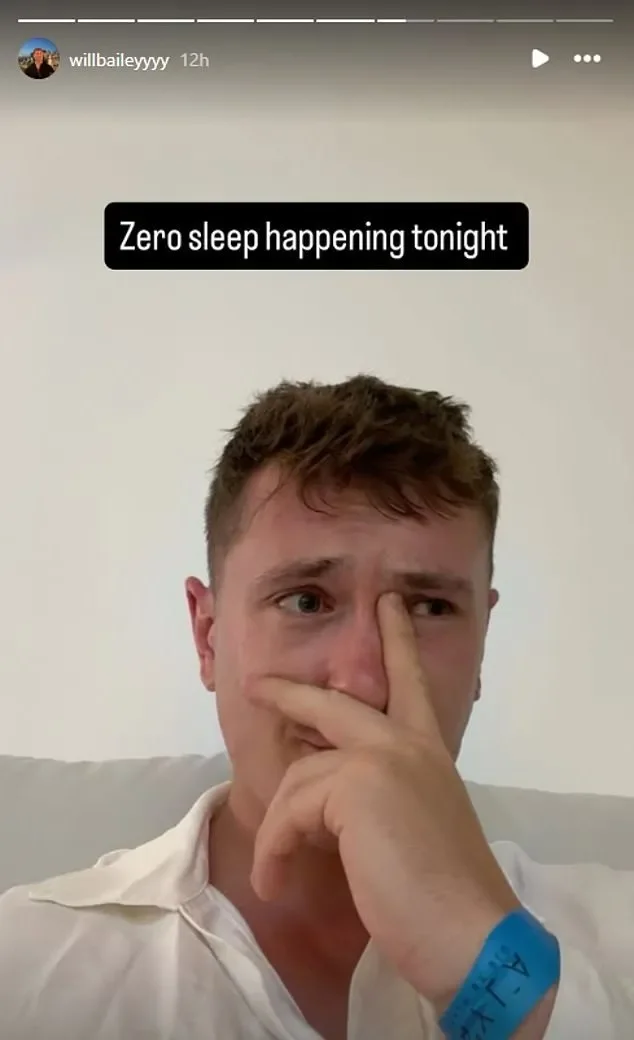
The ensuing scramble for visibility has exposed a tension between the desire to project calm and the undeniable visual evidence of danger. Influencers like Louise Starkey initially shared their fear, describing missiles passing overhead. Others, such as Hofit Golan and Vicky Pattinson, documented their presence amidst the attacks, noting canceled flights and a sense of being "stuck." The subsequent push to reassure followers and emphasize Dubai's comparative safety to other global cities, like London or New York, appears to be a coordinated effort, described as a form of "propaganda" by some observers. This includes influencers actively combating "misinformation" by debunking AI-generated imagery of destruction.
Read More: Middle East War Causes Fuel Panic Buying in Western Australia
THE POSTCARD VERSUS THE PROJECTILE
The sudden shift in tone among some Dubai-based influencers highlights a fundamental dissonance. Before the attacks, Dubai was promoted as an aspirational lifestyle destination, its allure amplified by influencers showcasing opulent living. Now, the narrative is pivoting, with a notable increase in content featuring serene golf courses and upbeat music, a stark contrast to the events unfolding. This abrupt alteration in presentation suggests an awareness of the regulatory environment. One influencer was "gently reminded" that "living life out loud" has limits within Dubai's terms of engagement. The implications of publicizing perceived threats are significant, with reports indicating influencers could face lengthy prison sentences for posting content deemed detrimental to the UAE's image.
Read More: Ankara seeks wider security pact with Egypt, Saudi Arabia, Pakistan
NARRATIVE CONTROL AND PUBLIC PERCEPTION
The events in Dubai have become a microcosm of a broader struggle for narrative control. Influencers, once arbiters of aspirational lifestyles, now find themselves navigating the complexities of geopolitical conflict, often under pressure to align with official messaging. The push to project an image of normalcy and safety can be interpreted as an attempt to maintain the economic and social stability that attracts international residents and tourists. This dynamic raises questions about the authenticity of influencer content when juxtaposed against real-world dangers and the potential repercussions for dissent.
BACKGROUND ECHOES
The impact of Iranian missile strikes on Dubai follows a period of heightened regional tensions, including US airstrikes against Iran. This escalation has placed numerous expatriates and celebrities, including reality TV personalities and athletes, in a precarious position, caught between the desire to document their experiences and the potential for legal repercussions. The broader context involves international media's role in shaping public opinion around such conflicts, with concerns raised about the "manufacture of consent" and the influence of political figures on war narratives. The incident underscores the fragility of carefully constructed perceptions of safety and luxury when confronted by the stark realities of armed conflict, forcing a public reckoning for those whose livelihoods depend on projecting an idealized reality.
Read More: Former Pakistan Envoy Says Pakistan Would Hit India Cities If Attacked


:max_bytes(150000):strip_icc():focal(749x0:751x2)/ayatollah-ali-khamenei-030926-1-35238c3c9a484125aa95ac665d7cbc9c.jpg)