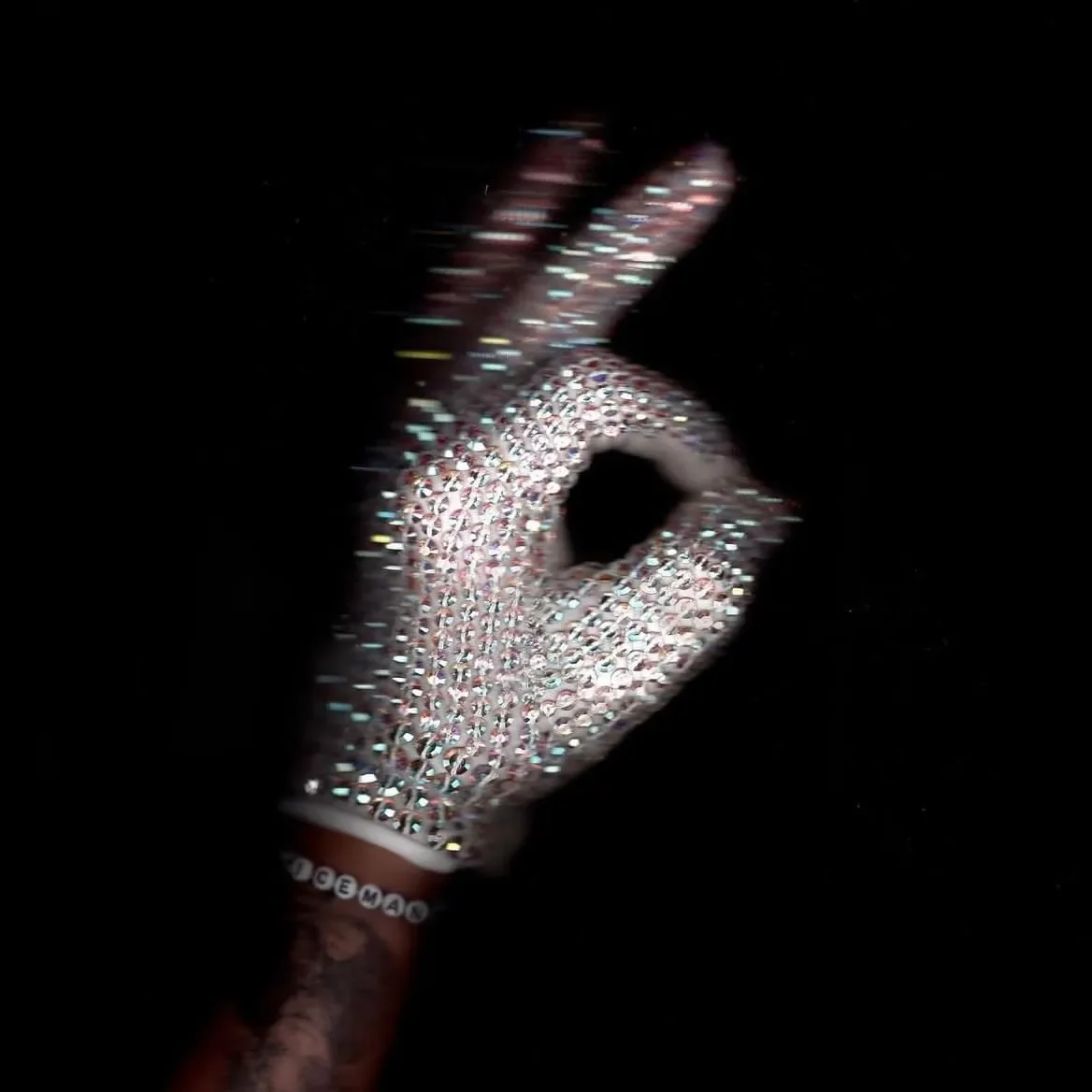
On May 15, 2026, Drake released three simultaneous studio albums: Iceman, Habibti, and Maid of Honor. The delivery—comprising over 40 total tracks—serves as his first solo output since his 2024 rivalry with Kendrick Lamar.

The release, while structurally massive, acts as a specific response to his previous loss in the court of public opinion. On Iceman, the rapper explicitly addresses the diss track "Not Like Us", utilizing lyrical barbs to dispute the metrics of his rival's success and alleging that UMG employed artificial streaming inflation.
The primary intent of this multi-project drop appears to be a total market saturation play, attempting to re-establish dominance by force of volume rather than concise artistic output.

Technical Composition and Features
The three records target disparate segments of the artist's established catalog:

Iceman: Positions the artist in a combative, aggressive stance, featuring appearances by Shane Gillis and DJ Akademiks.
Maid of Honor and Habibti: Lean into established R&B and dance-pop formulas similar to his previous experimental works.
Guest contributions include Future, Molly Santana, Central Cee, and Popcaan, blending regional drill and dancehall influences.
Critical Reception and Context
The decision to "flood the zone" has met with polarized feedback. While the breadth of the project highlights a commitment to pluralistic genre-blending—integrating Toronto’s immigrant influences into the pop charts—the sheer length of the combined albums has invited criticism regarding exhaustion and repetition.
Read More: UK Eurovision 2026 Entry Finishes Last in Vienna
| Project Phase | Primary Focus |
|---|---|
| Marketing | Massive scale; intended to command attention after a period of professional isolation. |
| Thematic | Explicit pushback against Kendrick Lamar; allegations of fraudulent streaming data. |
| Outcome | Market saturation; ongoing debate over whether this secures or weakens his cultural status. |
The releases arrive after the artist’s 2024 reputational decline and his subsequent collaborative work with PARTYNEXTDOOR. By abandoning a singular, focused release in favor of a fragmented triple-drop, the artist reflects an strategy that prioritizes high-frequency engagement over the curation traditionally associated with his earlier, more focused studio LPs. As of today, the industry remains in a state of evaluation, gauging if this tactical excess is a method for reclamation or a symptom of long-term trajectory shifts.