THE SHIFTING SANDS OF BELIEF AND NON-BELIEF
A crucial distinction, often blurred in casual discourse, separates those who reject the notion of deities from those who acknowledge their own ignorance about such matters. An atheist fundamentally does not hold a belief in any gods. This is a declarative stance, a refusal to accept the existence of divine entities. Conversely, an agnostic states that they do not know whether gods exist or not. This position is rooted in uncertainty, an admission of an unresolvable question rather than a definitive rejection.
WHAT'S IN A WORD?
The common thread linking these positions, as presented in online discussions, is a shared departure from traditional religious adherence. While an atheist actively denies the existence of gods, an agnostic leaves the door ajar, so to speak, admitting the possibility without affirmation.
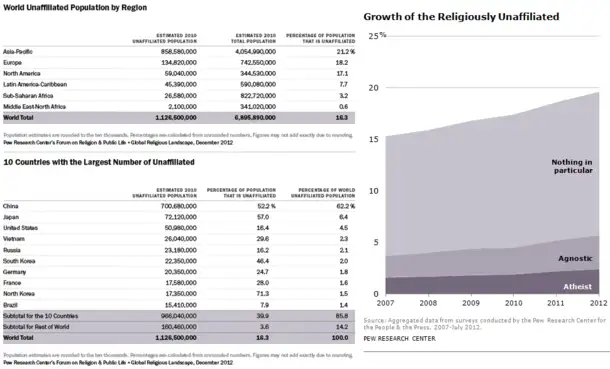
The distinction can be framed as a matter of knowledge versus belief. Atheism addresses belief – the absence of it regarding gods. Agnosticism addresses knowledge – the absence of it regarding gods.
Read More: Why the New Atheism movement lost public influence by April 2026
One might see it this way:
| Category | Stance on Gods |
|---|---|
| Atheist | Does not believe in any gods. |
| Agnostic | Does not claim to know if any gods exist. |
This exploration, often found on platforms like Reddit, suggests that the labels are not necessarily mutually exclusive, but rather describe different facets of one's relationship to the concept of divinity. Some individuals may identify as both, acknowledging their lack of belief and their lack of definitive knowledge. The broader takeaway is a rejection of dogma, a stance that values intellectual honesty over inherited conviction.