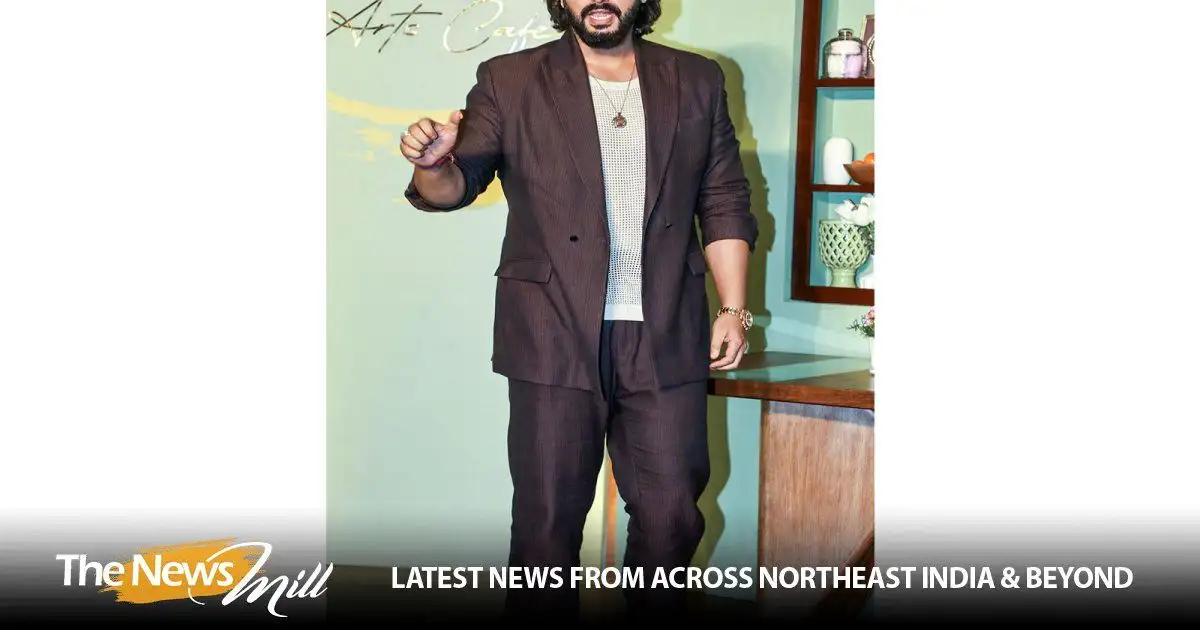
The Delhi High Court has signaled that it will not grant a sweeping ban on all content featuring public figures, even in cases involving allegations of personality rights violations. The court's stance, articulated during hearings on a plea by actor Arjun Kapoor, emphasizes that restrictions on content cannot be absolute and are contingent on the material being defamatory or derogatory. This position underscores a nuanced approach to the intersection of public persona, digital manipulation, and legal protections.
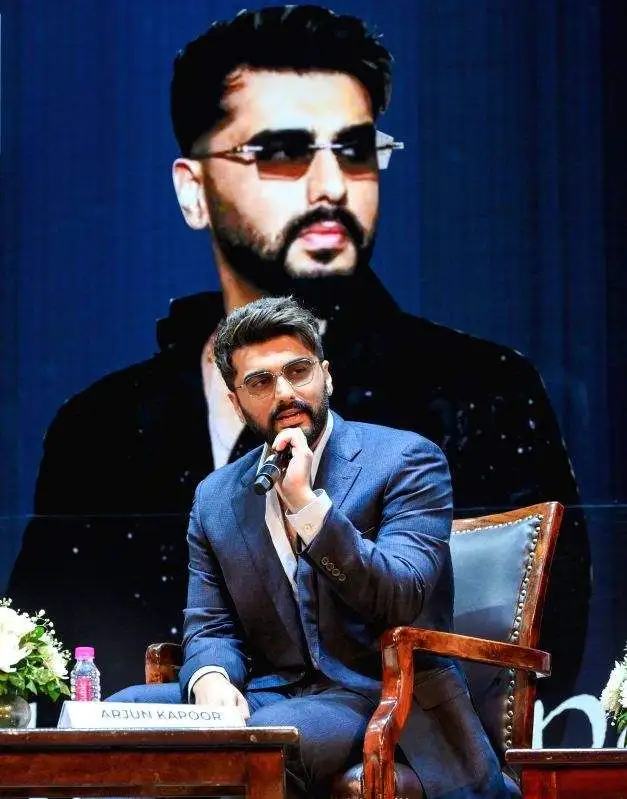
The court stated that "not all content can be restricted," indicating a judicial reluctance to impose broad censorship. This implies that while certain forms of content, particularly those that are explicitly harmful or defamatory, may warrant intervention, a blanket removal of all material connected to a public figure is unlikely. The ruling suggests a careful balancing act between protecting an individual's rights and upholding principles of free expression and the inherent nature of public life.
Read More: Supreme Court May Order Ayodhya Temple Fund Audit Due to Theft Claims
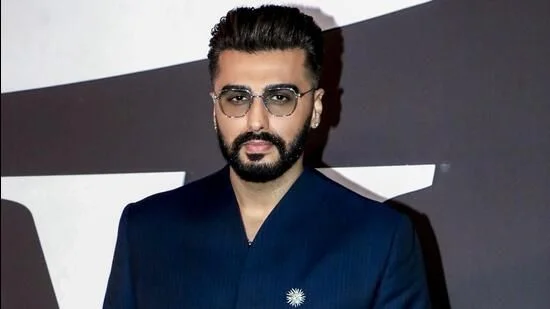
Kapoor's Plea Highlights AI and Merchandise Misuse
Arjun Kapoor approached the Delhi High Court seeking to protect his personality and publicity rights. His legal team argued that his name, image, and likeness are being exploited without authorization through various digital means, including AI-generated content, deepfakes, and explicit material.

The actor's representatives highlighted the presence of morphed images and sexually explicit content, contending these were not harmless satire but deliberate distortions designed to exploit his identity.
Concerns were also raised about unauthorized commercial activities, such as the sale of merchandise bearing his image and the use of his persona for commercial bookings.
The plea specifically names major social media and tech platforms like YouTube, Facebook, Google LLC, and Meta Platforms as defendants, alongside other entities allegedly involved in the misuse.
Precedents and Future Rulings
Kapoor's legal team cited previous court orders in similar cases involving personalities such as Jubin Nautiyal, Vivek Oberoi, and Acharya Balakrishnan as precedents. The Delhi High Court has previously extended personality rights protection to a range of public figures, including members of the Bachchan family, Gautam Gambhir, Baba Ramdev, Allu Arjun, Karan Johar, Akkineni Nagarjuna, Salman Khan, Ajay Devgn, and Hrithik Roshan.
Justice Tushar Rao Gedela presided over the hearings, and the court has indicated that it will issue a detailed interim order on Kapoor's plea for protection. This forthcoming order is expected to further clarify the court's position on the scope and limitations of personality rights in the digital age.
Read More: Delhi Students Protest Education System Flaws on July 6
Broader Context of Personality Rights
The Arjun Kapoor case is part of a growing trend of public figures in India seeking legal recourse to safeguard their personality and publicity rights. The increasing sophistication of AI-generated content and the pervasive nature of online platforms present new challenges in managing one's public image and preventing unauthorized exploitation. The court's deliberation signals an ongoing effort to define the boundaries of these rights within the existing legal framework.