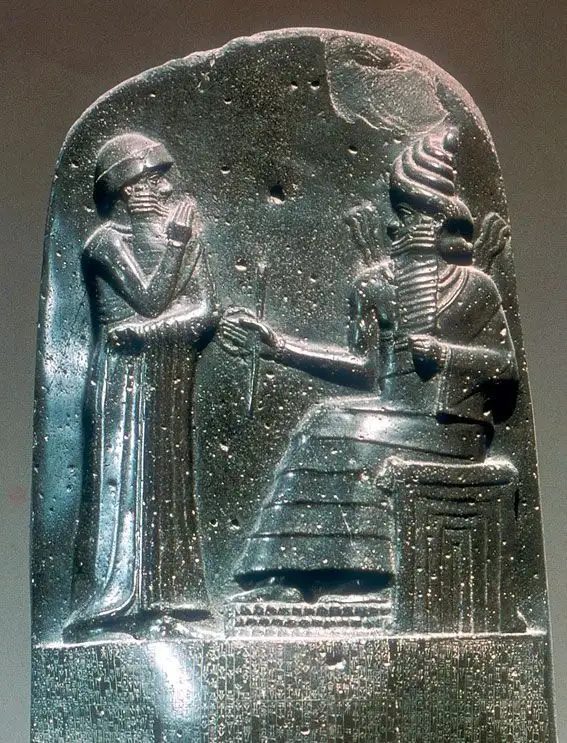
A complex web of thought surrounds the examination of right and wrong, a field known as 'ethics' or 'moral philosophy.' While closely intertwined, these concepts have, particularly since historical shifts like the Reformation and Enlightenment, been increasingly viewed as distinct spheres of inquiry and evaluation. This separation allowed law, politics, economics, and ethics to forge their own paths, each with unique aims and metrics of success. The very notion of what constitutes an 'ethical' act has consequently moved beyond mere legality or justice, with historical thinkers differentiating ethical questions from those of justice, lawfulness, and legality.
Divergent Frameworks of Ethical Thought
Contemporary discussions in 'normative ethics,' the study of ethical principles, feature several major approaches. One prominent current, 'virtue ethics,' draws heavily from historical figures like Aristotle. This perspective often defines virtues in relation to eudaimonia, a state often translated as flourishing or happiness, though this ancient concept may not always align with contemporary notions of rational justice. Modern virtue ethics often revives Aristotelian ideas about character and virtue, proposing agent-based accounts.
Read More: Why the New Atheism movement lost public influence by April 2026
Another crucial area within moral philosophy is 'normative ethics,' which delves into the formulation of ethical principles. Complementing this is 'applied ethics,' which grapples with the practical application of these principles to specific real-world dilemmas. Moral philosophy, in its broadest sense, provides the conceptual toolkit for dissecting and navigating ethical challenges, whether at a grand, theoretical level or in the midst of concrete situations.
The Genesis and Evolution of Ethical Inquiry
The origins of ethics are traced back to mythical accounts and the initial introduction of moral codes. The historical trajectory reveals a departure from ancient views where ethics was seen as an integral part of law and politics, towards a modern understanding of these as separate domains. This evolution implies that the pursuit of ethical happiness, or eudaimonia, can be incommensurable with, and at times conflict with, purely rational justice.
Read More: New Atheism movement splits on April 7 2026 over political views
Reasoning Through Moral Mazes
The process of 'moral reasoning' itself is a subject of philosophical scrutiny. The close interrelation between moral reasoning, the identified moral facts, and overarching moral theories does not negate its importance as a distinct area of study. Examining the relationship between moral reasoning and broader practical reasoning is a key aspect of this inquiry, alongside investigations into empirical challenges that might test its robustness.
Daily Encounters with the Ethical
Moral questions are not confined to academic discourse; they are daily occurrences. These issues manifest in news reports, professional communications, and personal interactions, presenting complex challenges that often require careful deliberation. Ultimately, individuals must engage in their own evaluation of moral issues, diligently considering both the factual circumstances and the ethical implications involved.
Read More: Matt Dillahunty discusses Christian morality with caller on April 2026