A recent political discourse has surfaced, positing that biological realities, specifically menstruation, present a barrier to women's highest-level performance. This perspective, apparently gaining traction within Democratic circles, suggests a need for financial support to enable women to remain at home during their cycles. This development appears to reinterpret long-standing feminist aims, shifting focus from equal opportunity to a state-sanctioned domestic allowance.
The core of this emerging argument centers on the idea that menstruation inherently impedes women's capacity to engage in demanding professional roles. The proposed solution involves direct financial intervention, aimed at compensating for this perceived biological limitation. This framework diverges sharply from foundational feminist principles, which historically championed women's ability to excel in all spheres of life, independent of biological considerations.
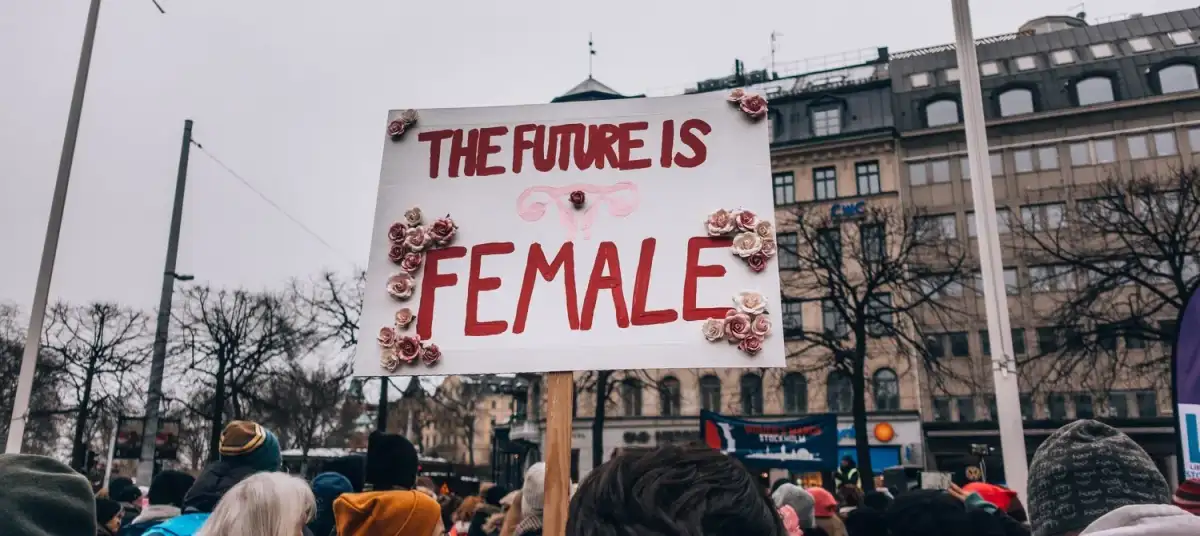
Historical Context of Feminist Ideals
The Britannica entry on feminism traces its roots to challenging the notion that women are solely destined for domesticity or pleasing men. Early feminist thinkers, like Mary Wollstonecraft, argued for women's inherent rationality and advocated for equal opportunities in education, work, and politics. Historically, women were often confined to the private sphere, a limitation that subsequent feminist movements sought to dismantle, pushing for public life and equal standing.
Read More: Taiwan Holds Nantou County Drills to Prepare for State Collapse
Modern Interpretations and 'Human Potential'
Contemporary understandings of feminism, as highlighted by Global Citizen, emphasize the importance of achieving global gender equality. This perspective views feminism not just as a matter of human rights, but also as a critical component for unlocking universal human potential. The call for increased investment in women and girls is framed as a means to improve lives for everyone.
The recent political stance appears to reframe "human potential" through a lens of biological determinism, suggesting that certain biological functions necessitate a withdrawal from public or professional life, and that this necessitates state intervention. This presents a complex juxtaposition against decades of feminist advocacy for unfettered access and equal performance across all sectors, irrespective of gender-specific biological processes.