Recent publications highlight a noticeable lack of public acknowledgment of former President Bill Clinton from the Democratic Party's official social media channels, particularly following the release of documents related to Jeffrey Epstein. This omission has drawn commentary from various news outlets, with some framing it as an attempt to distance the party from the former president, especially given the inclusion of images of Clinton in the newly available Epstein files.
Historical Context and Recent Events
The Democratic Party's official social media accounts posted tributes for Presidents' Day on February 16, 2026, and a Valentine's Day message on February 14, 2026. Notably, these posts did not feature former President Bill Clinton. This follows the recent public release of photographs and documents from the Jeffrey Epstein investigation by the Department of Justice. Among the released materials are images depicting Bill Clinton with Jeffrey Epstein and Ghislaine Maxwell, including a photograph of Clinton shirtless in a hot tub.
Read More: US 250th Anniversary on July 7, 2026, sees 20% not celebrating
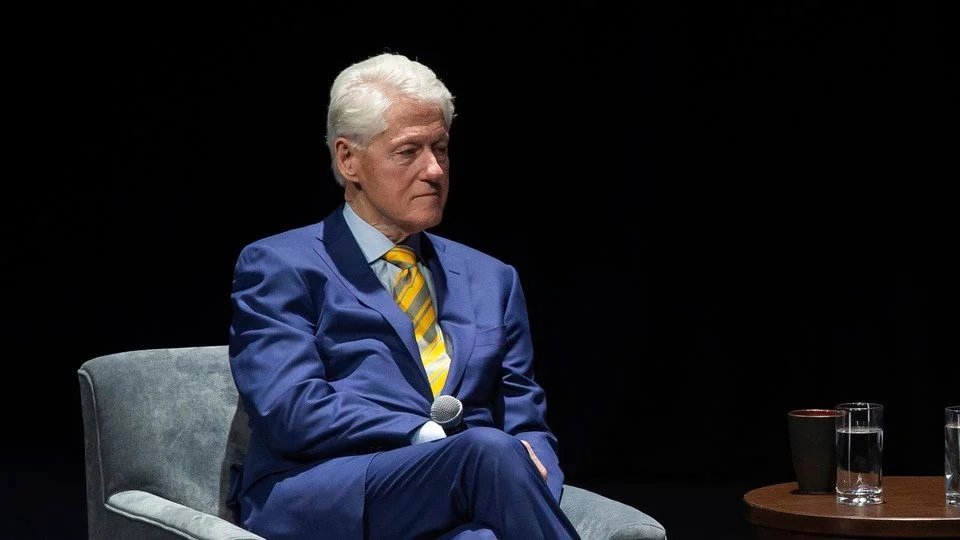
These events occur within a broader historical context of discussions surrounding Bill Clinton's legacy and his association with Epstein. For instance, Donald Trump faced accusations regarding a birthday letter sent to Epstein, which Trump has denied.
Party Messaging and Public Perception
The Democratic Party's apparent decision to exclude Bill Clinton from recent official communications has been interpreted in different ways.
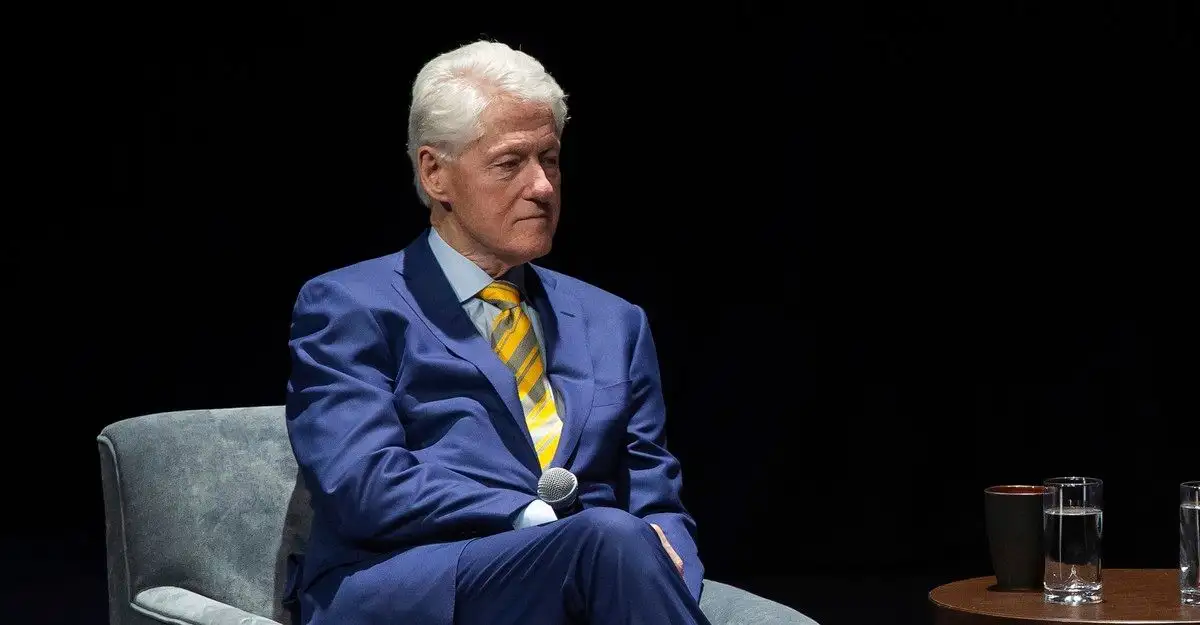
Exclusion and Association: One perspective suggests that the omission is a deliberate effort to distance the party from Clinton, particularly in light of the Epstein file revelations. This interpretation posits that the images released could create negative associations for the party.
The Democratic Party's official Twitter account (@TheDemocrats) posted a Valentine's Day message and a Presidents' Day tribute without mentioning or featuring Bill Clinton.
Reports indicate that photos of Bill Clinton socializing with Epstein and Maxwell, including one of him in a hot tub, have been released as part of the Epstein investigation.
Shifting Party Landscape: Another viewpoint emphasizes the significant demographic and cultural changes within the Democratic Party since Bill Clinton's era. This suggests that the party's current messaging and priorities have evolved substantially, making references to past figures less central.
During Clinton's presidency, trade, including support for Most Favored Nation status for China, was a key policy. This approach was presented as a way to empower previously overlooked segments of the electorate.
The electorate and the party's focus have changed considerably over the past three decades.
Legacy and Scrutiny
Bill Clinton's presidency and personal conduct have long been subjects of public and political debate, a situation that predates the recent Epstein file releases.
Moral Conduct and Presidency: While acknowledging his popularity, there have been persistent questions about the morality of his personal life and conduct during his presidency.
A 2019 article from The Atlantic noted that "No one—not even his most ardent supporters—could really argue that he conducted his life or his presidency on a morally flawless plane."
Clinton faced impeachment proceedings stemming from his testimony regarding his relationship with Monica Lewinsky, although he maintained significant popularity throughout his second term, leaving office with a 66 percent approval rating.
Public Trust and Accountability: Some commentators argue that the Democratic Party's silence on issues involving prominent Democrats, like Bill Clinton, contributes to a lack of public trust.
An opinion piece in USA Today from December 2025 suggested that Democrats were "giving Bill Clinton a pass" and that this inaction impacts overall public trust in the party.
The article contrasted the attention given to allegations against Donald Trump with what it perceived as a lesser focus on allegations concerning Bill Clinton, despite claims of greater implication for the former president.
Expert and Media Commentary
Analysis of the Democratic Party's recent communications has been varied, with different outlets offering distinct interpretations.
"The Democratic Party’s official social media account excluded former President Bill Clinton from two of its recent social media posts as of Monday after the high-profile release of the Jeffrey Epstein files."— Daily Caller
"The Choice: How Bill Clinton Won. Bill Clinton mounts comeback on the campaign trail."— Wikipedia (citing further reading on Clinton's political career)
"Trade was a big part of Clinton’s message… In the three decades since Clinton was first elected, enormous demographic and culture shifts have taken place. It was a different electorate when Arkansas Gov. Clinton championed Most Favored Nation trading access for China…"— MSNBC Opinion
"No one—not even his most ardent supporters—could really argue that he conducted his life or his presidency on a morally flawless plane."— The Atlantic
"They're giving Bill Clinton a pass. … But Americans still largely don't trust Democrats because they don't call out their own."— USA Today Opinion
Conclusion
The recent release of documents pertaining to Jeffrey Epstein has brought renewed attention to Bill Clinton's past associations. Concurrently, the Democratic Party's official social media has omitted references to the former president in recent public posts. This silence has been a point of discussion, with interpretations ranging from a strategic effort to avoid controversy associated with the Epstein revelations to a reflection of the party's evolving identity and priorities. The situation highlights the ongoing scrutiny of Clinton's legacy and its impact on the contemporary political landscape, raising questions about party accountability and public perception.
Read More: Third Teen Charged in Fatal Stabbing Near Melbourne Hospital on Wednesday
Daily Caller: Provided information on the omission of Bill Clinton from Democratic Party social media posts following the release of Epstein files.
https://dailycaller.com/2026/02/16/democrats-bill-clinton-epstein-files-presidents-day/
Wikipedia: Offered a general overview of Bill Clinton, with some sections indicating further reading on his political career and public perception.
MSNBC Opinion: Discussed the evolution of the Democratic Party and its divergence from the era of Bill Clinton, focusing on policy shifts and demographic changes.
https://www.ms.now/opinion/msnbc-opinion/democratic-party-dnc-bill-clinton-era-changes-rcna166669
The Atlantic: Examined Bill Clinton's legacy and public standing, noting past criticisms of his personal and presidential conduct.
https://www.theatlantic.com/politics/archive/2019/08/bill-clinton-legacy/596323/
USA Today Opinion: Argued that the Democratic Party's lack of criticism towards its members, including Bill Clinton in the context of the Epstein case, undermines public trust.
https://www.usatoday.com/story/opinion/columnist/2025/12/24/epstein-files-clinton-photos-democrats-silent/87825382007/
Hostos CUNY Guides: Provided academic context on Bill Clinton's presidency, including details about the impeachment proceedings and his public approval ratings.

/cloudfront-ap-southeast-2.images.arcpublishing.com/nzme/RVI7RFHOI34HTKKRUG3LS6DNVY.jpg)