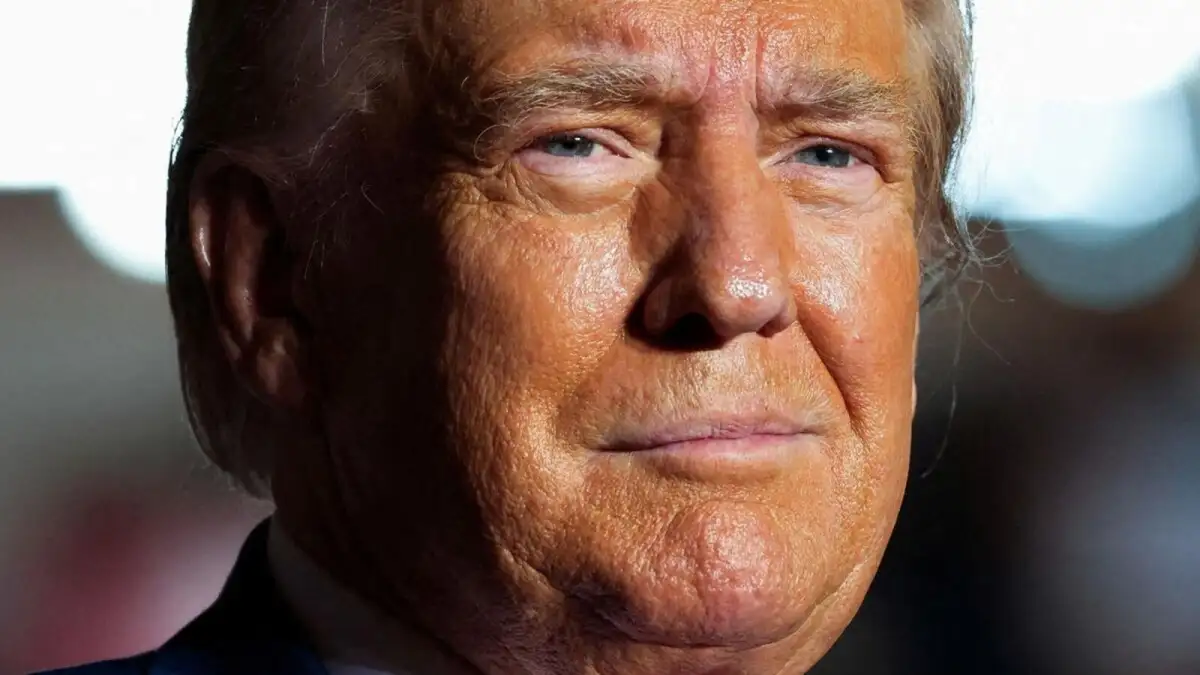
Kevin Warsh secured a crucial Senate confirmation Tuesday to join the Federal Reserve's Board of Governors, a pivotal step toward his anticipated appointment as the central bank's chair, succeeding Jerome Powell. The vote, largely along party lines, moves Warsh closer to assuming leadership of the influential institution at a moment marked by economic uncertainty.
Warsh's confirmation as a Fed governor is now official, with his term on the board set for 14 years. The subsequent vote for him to become chair, a four-year role, is expected shortly. He is slated to officially take the helm on May 14, as Powell's term as chair concludes the following day.
Powell, whose four-year tenure as chair concludes Friday, has announced his intention to remain on the Fed's Board of Governors as a voting member. This decision comes amidst ongoing scrutiny from the White House regarding renovations at the central bank's headquarters, which reportedly exceeded their budget.
Read More: Solaris Energy SEI Stock Price Forecast Reaches $91.98 by July 2027
Warsh has previously voiced support for ideas aligning with Donald Trump's expressed desire for lower interest rates. However, his ability to implement such policy shifts will depend on convincing the other members of the Federal Open Market Committee, the Fed's 12-member voting body. The committee's next scheduled meeting is set for June 16-17, with markets currently anticipating no immediate changes to rates, and even some pricing in the possibility of a rate hike.
Path to Leadership
The Senate's vote on Tuesday confirmed Warsh as one of the Fed's seven governors, with the chamber approving his nomination by a count of 51-45. This confirmation was a necessary precursor to a separate vote confirming him as chair. During his confirmation hearings, Warsh committed to upholding the Fed's independence in setting interest rates.
Economic Crosscurrents
Warsh steps into the role at a particularly challenging period for economic policy. His tenure as chair will begin as the Fed grapples with inflation frameworks and the potential need for new policy tools, a subject he has publicly addressed. His first meeting as chair is slated for mid-June.
Read More: US 250th Anniversary on July 7, 2026, sees 20% not celebrating
Background Narratives
Concerns regarding Fed Chair Jerome Powell's position arose partly due to a criminal probe, although the specifics remain unclear. The Justice Department had previously investigated Powell, with some senators, like Thom Tillis of North Carolina, indicating they would block Warsh's nomination until that matter was resolved.
Separately, a legal case persists stemming from a previous administration's attempt to remove Fed Governor Lisa Cook. The Senate's confirmation of Warsh to the Board of Governors also signifies he will be taking the seat vacated by Stephen Miran, whose appointment was to fill the remainder of Adriana Kugler's term.
Trump himself had reportedly joked about suing Warsh if he did not lower rates, a sentiment that highlights the political pressures surrounding the Fed's independent decision-making. Warsh, however, has publicly maintained that such external influence undermines the central bank's autonomy. The chair, while influential, holds only one vote on the Federal Open Market Committee. Warsh is a former finance executive.
Read More: Rocket Companies brand update in April 2026 changes logos and names