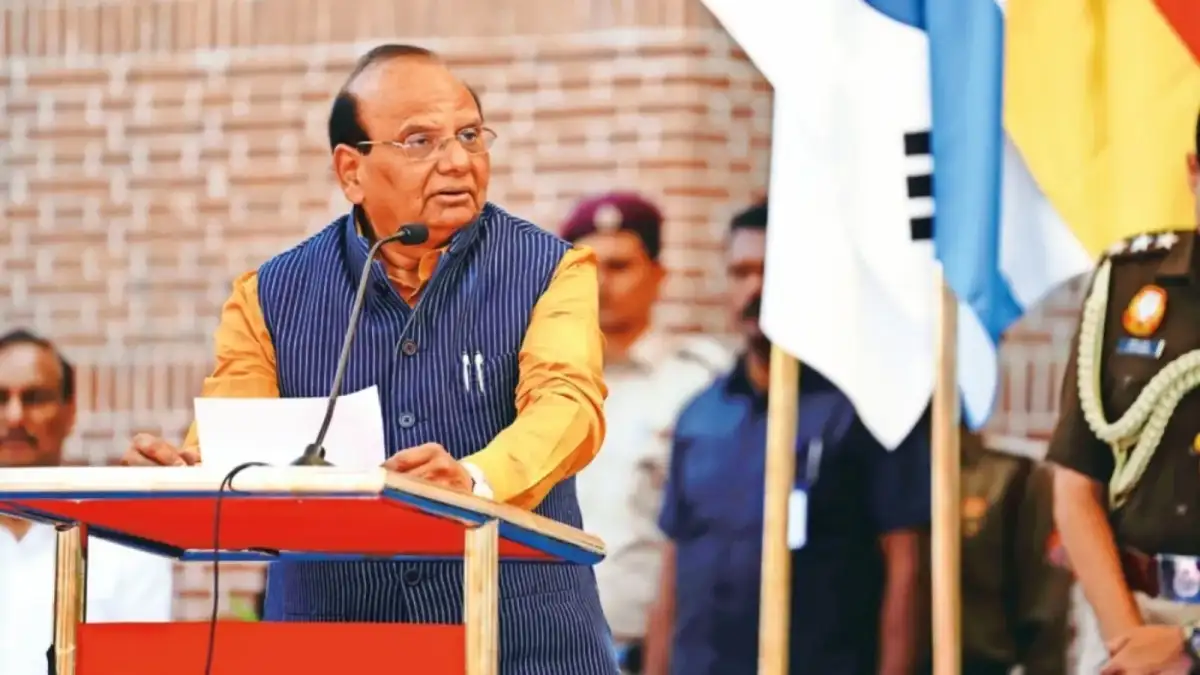
Vinai Kumar Saxena, the Lieutenant Governor of Delhi, has concluded his approximately four-year tenure, a period largely characterized by frequent clashes with the Aam Aadmi Party (AAP) government and a notable emphasis on on-the-ground inspections of various projects. His successor, former diplomat Taranjit Singh Sandhu, has been appointed.
Saxena's time in office saw numerous instances of disagreement with the AAP administration, often playing out publicly. This dynamic was underscored by his solo inspections of ongoing projects, sometimes accompanied by teams of officials, particularly during weekends. These site visits appeared to be a recurring feature of his approach, aiming to directly observe development and infrastructure work.
The political landscape during Saxena's tenure was marked by ongoing disputes. The Delhi government had filed several cases against the central government, the LG, and various departmental heads. However, in a significant shift, the current BJP government in Delhi initiated the withdrawal of most of these cases. This move comes as Saxena's term concludes, with his departure being announced and his replacement confirmed.
Read More: Taiwan Holds Nantou County Drills to Prepare for State Collapse
Saxena also revived the Yamuna Redevelopment Committee, overseeing several projects under its purview. His tenure also involved questioning the educational system, specifically raising concerns about declining student enrollment and increasing absenteeism, despite purportedly higher spending in the sector.
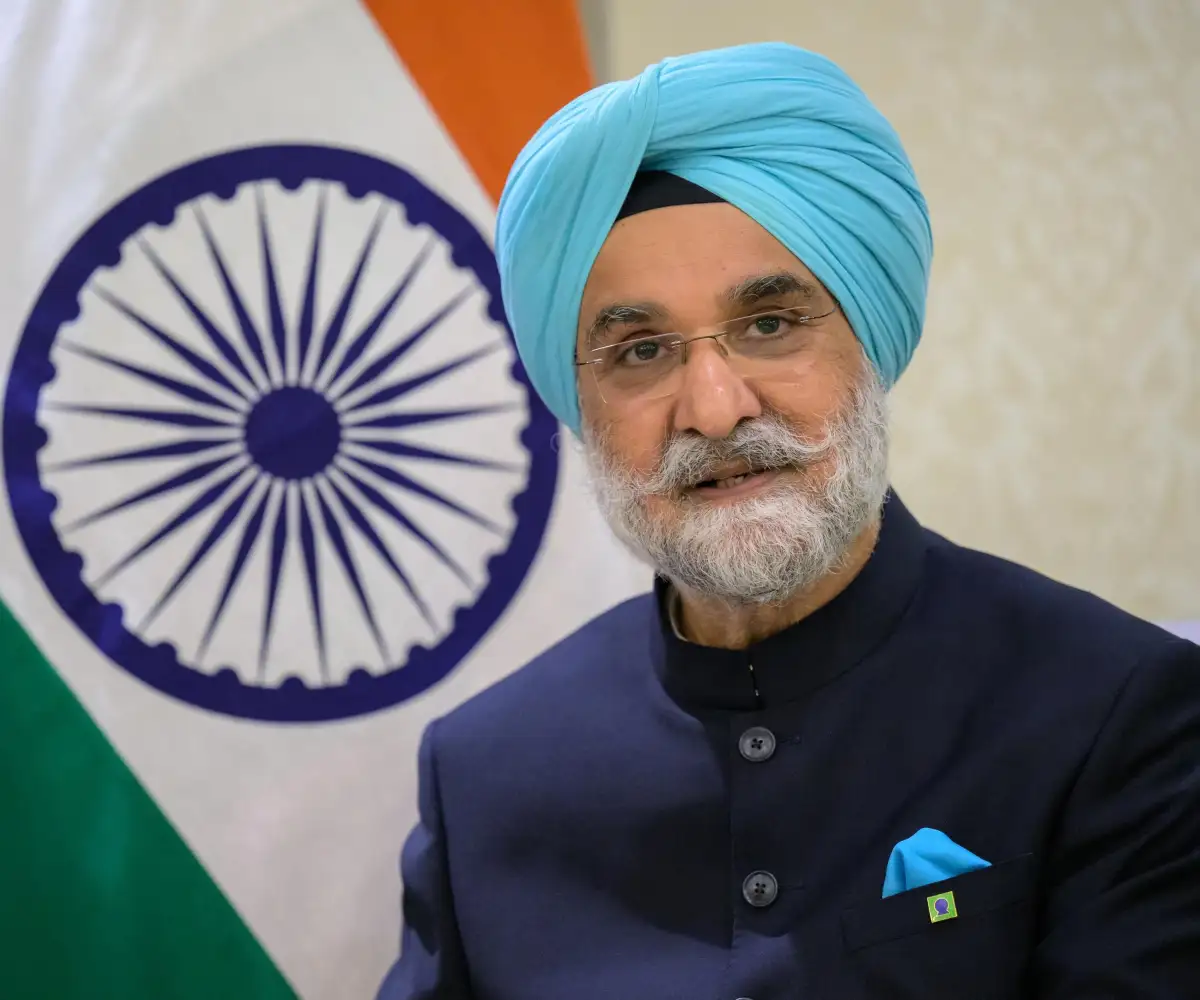
His appointment as Delhi's LG in May 2022 followed a stint as the Chairman of the Khadi and Village Industries Commission (KVIC) from 2015 to 2022. Before that, he was associated with the Kumarappa National Handmade Paper Institute. Saxena's background includes a more direct role in student politics during his university years, founding a student union in 1975. His academic credentials include a graduation from Kanpur University in 1981.
The closing days of Saxena's service have seen a notable rebranding, with the Lieutenant Governor's official residence and office, previously known as 'Raj Niwas', being renamed 'Lok Niwas' following directives from the Ministry of Home Affairs. This change in nomenclature adds another layer to the administrative shifts occurring in the capital.
Read More: Delhi Students Protest Education System Flaws on July 6
Saxena's interactions with the AAP government, led by Chief Minister Arvind Kejriwal and later Atishi Marlena, were often tense. Reports indicate disagreements over administrative decisions and project approvals. For instance, accusations were made regarding demolition orders for Hindu temples, which Saxena reportedly responded to. Similarly, the 'Phool Walon Ki Sair' festival became a point of contention, with the LG and AAP trading blame over permissions and heritage preservation issues.
The collaborative aspect of governance, however, was also visible at times. In one instance, Saxena and Public Works and Water Minister Parvesh Sahib Singh Verma jointly inspected key infrastructure projects aimed at tackling Delhi's monsoon challenges. Additionally, Saxena, along with Chief Minister Rekha Gupta and Speaker Vijender Gupta, laid the foundation stone for a solar power plant at the Delhi Assembly. Chief Minister Gupta herself had previously acknowledged Saxena's three-year tenure, highlighting initiatives like Yamuna river rejuvenation and infrastructure projects.
Read More: FBI Analysts Review Georgia 2020 Election Data in Fulton County