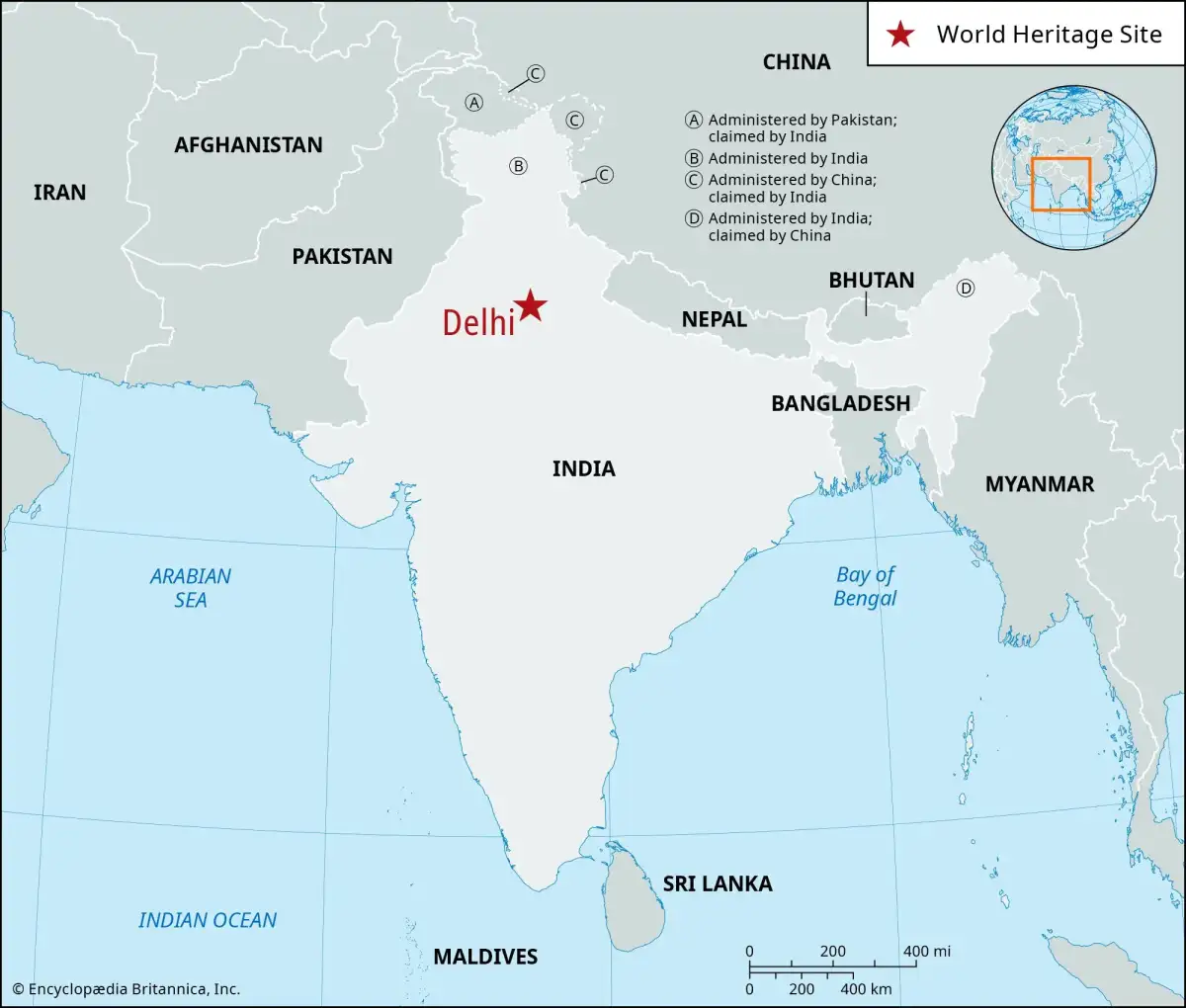
New Delhi – July 6, 2026 – A swell of students, chanting and holding placards, descended on the capital today, their protest targeting systemic flaws within the nation's education framework. The demonstrations, organized under the banner of the 'Citizens for Justice and Peace' (CJP), highlight deep-seated anxieties about accessibility, quality, and equity in learning. The immediate catalyst appears to be a confluence of recent policy shifts and persistent underfunding across various educational tiers.
The protestants' demands, articulated through impassioned speeches and written manifestos, center on several key points:
Curriculum Overhaul: A call for syllabi that move beyond rote memorization to foster critical thinking and practical skills relevant to a rapidly evolving world.
Resource Allocation: Protests against perceived disparities in funding, with specific grievances raised about the uneven distribution of resources between urban and rural institutions, and even between different districts within cities.
Teacher Welfare: Demands for improved training, compensation, and working conditions for educators, framed as essential for uplifting the entire learning ecosystem.
Examination Reforms: Concerns about the high-stakes nature of current examination systems, pushing for assessments that are more holistic and less prone to producing undue stress.
While the CJP positions itself as the organizing force, the movement appears to be a genuine groundswell, drawing participation from students across a spectrum of socio-economic backgrounds. The diverse attendance underscores a shared frustration with an educational apparatus that many feel is failing to adequately prepare them for future opportunities, or worse, actively limiting their potential.
Read More: Google Learn About AI Tool Released April 2026 For Simple Learning
The administration has yet to issue a comprehensive response to the specific demands. However, officials have reportedly convened emergency meetings to discuss the implications of the student mobilization. The narrative from official channels, thus far, has focused on maintaining public order and reiterating existing commitments to educational improvement.
This protest unfolds against a backdrop of years of debate regarding the efficacy of India's educational policies. While successive governments have launched initiatives aimed at modernization and expansion, reports from independent watchdogs and academic studies have frequently pointed to persistent challenges – from teacher shortages to infrastructure deficits. The students' action can be seen not just as a reaction to current events, but as an amplification of these long-standing structural issues, brought to the forefront by a generation acutely aware of the stakes. The collective hopes for a revitalized system clash with deeply ingrained fears of continued stagnation.
Read More: Delhi Police Block Protest Due to No Permit for Cockroach Janta Party