EATING TO LAST: ISOPODS' TRICK REVEALED
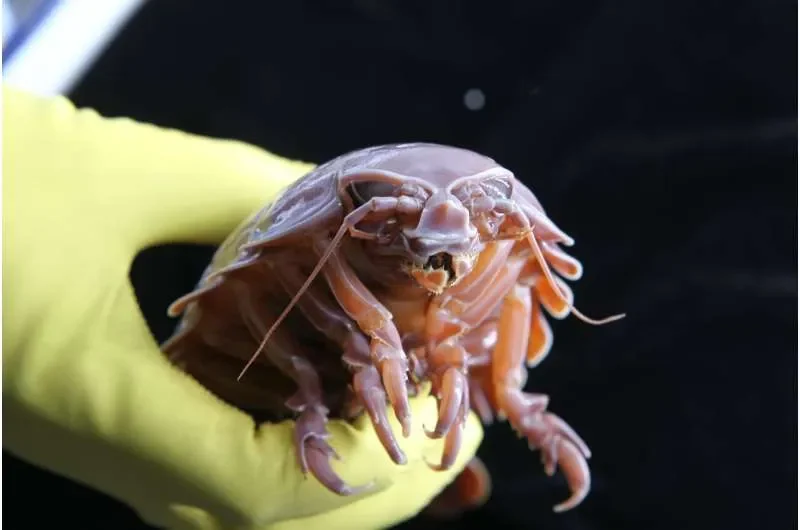
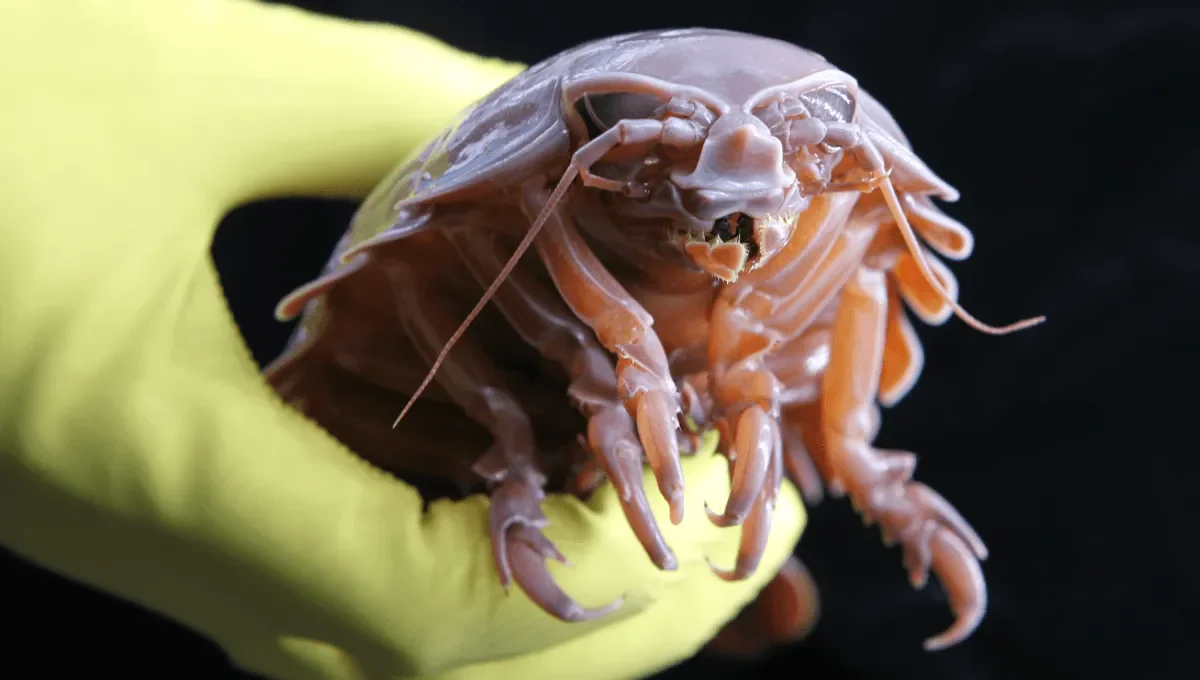
Deep-sea supergiant isopods, creatures capable of surviving over five years without a meal, employ a remarkable two-part system to manage their energy. This survival strategy, a first of its kind for deep-sea megafauna, involves reprogrammed energy allocation through gene transfer and epigenetic fine-tuning. The findings shed light on how these seemingly energy-hungry behemoths sustain their massive bodies in the harsh, food-scarce environment of the ocean depths.
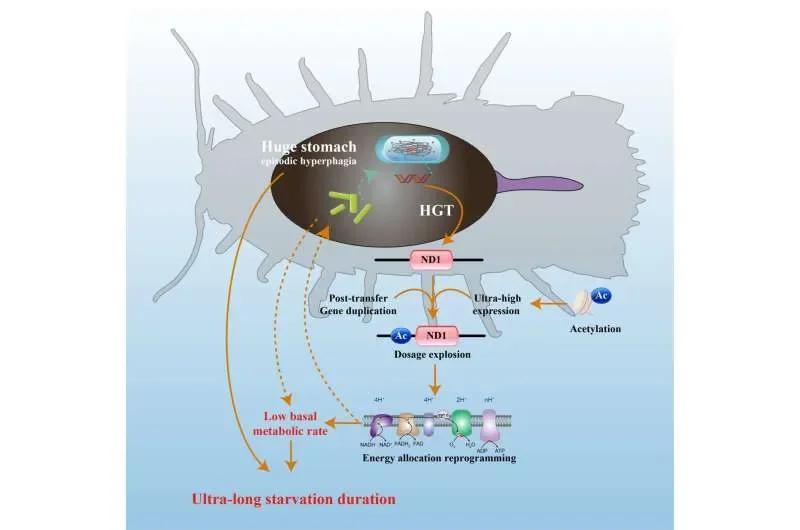
The core mechanism appears to be a dual approach: opportunistic gorging followed by drastic metabolic slowdown. When food is available, these isopods likely consume large quantities. Subsequently, they enter a state of drastically reduced basal metabolic rate (BMR). This allows their accumulated food reserves to be digested and utilized over exceptionally long periods, enabling survival for years without further sustenance.
A GENETIC AND ENVIRONMENTAL DANCE
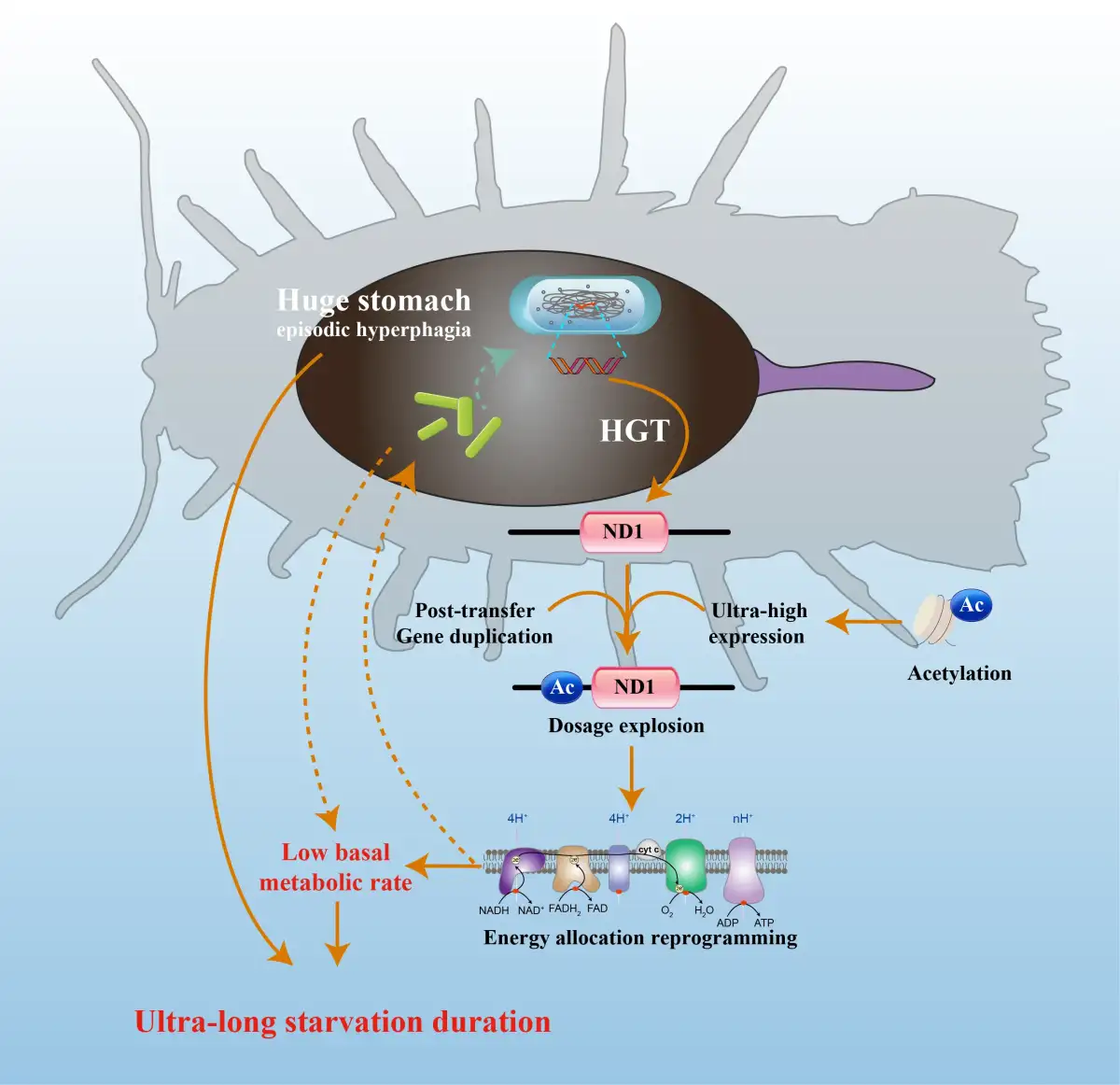
This extraordinary adaptation is underpinned by a novel evolutionary strategy observed for the first time. Researchers indicate that deep-sea isopods achieve this by reprogramming their energy allocation. The process involves:
Read More: Tohorā Diet Study Boosted by New Zealand Beach Find
Horizontal Gene Transfer: This mechanism allows for the acquisition of new genetic material, potentially from other organisms, contributing to their unique survival traits.
Epigenetic Optimization: This refers to changes in gene activity that do not involve alterations to the underlying DNA sequence. It allows the isopods to finely tune their biological processes in response to environmental cues.
One specific gene, ND1, is highlighted as acting like a 'metabolic thermostat'. It helps fine-tune energy expenditure based on environmental conditions. Under normal conditions, without this regulation, isopods might burn energy too quickly and become less resilient to starvation.
THE STOMACH AS A RESERVE
A key physical characteristic contributing to this survival feat is the enormous stomach of these deep-sea isopods. It occupies approximately two-thirds of their entire body cavity. This contrasts sharply with their shallower-water relatives, whose stomachs are significantly smaller. This disproportionately large stomach acts as a substantial reservoir for food, facilitating the extended periods of fasting.
The energy paradox posed by their size and sporadic food availability is now being unraveled. Their ability to consume heavily when opportunities arise and then enter a state of profound energy conservation seems to be the key to their endurance. This strategy effectively transforms infrequent, large meals into an ultra-long-term energy reserve.
Read More: Indigenous Data Rights Now Key in Conservation Genomics
BACKGROUND: THE DEEP-SEA REALM
The deep sea remains one of Earth's least explored frontiers, characterized by extreme pressures, low temperatures, and intermittent food supply. Organisms that inhabit these depths often display unique adaptations to survive these challenging conditions. The study of creatures like the supergiant bathynomid is crucial for understanding the diverse strategies life employs to persist in extreme environments. The research into these isopods' survival mechanisms was conducted by Chinese scientists, leveraging multi-omics analyses and functional assays.