

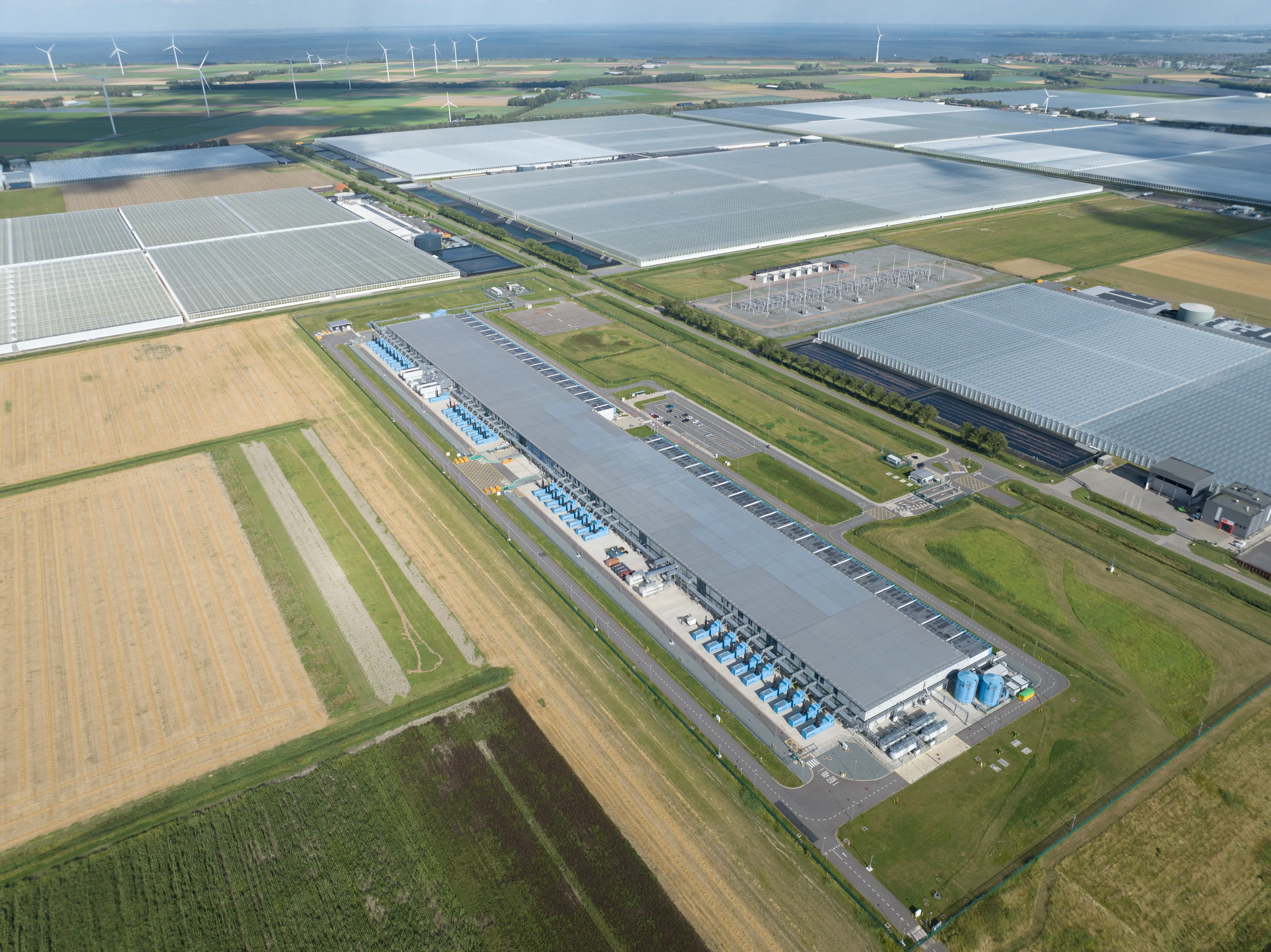
THE SEARCH FOR GUARANTEED POWER INTENSIFIES FOR NEXT-GEN DATA FACILITIES
Data centre operators are increasingly cutting out the middleman, forging direct supply agreements with energy producers to secure the vast and reliable power streams necessary for next-generation facilities, particularly those supporting burgeoning artificial intelligence workloads. This trend highlights a significant shift as companies seek to circumvent existing capacity constraints and potential grid instability.
Operators are entering into these bilateral contracts to ensure dedicated energy generation, a move spurred by projections of colossal power demand from AI technologies. Companies like Comstock have already contracted with NextEra Energy's power plants to deliver natural gas, specifically earmarked to meet the projected needs of AI-driven data centres. Similarly, industry titans such as Meta, OpenAI, and CloudBurst are reportedly establishing their own separate arrangements for natural gas supply and dedicated gas-fired generation. On the commercial power front, AES Corporation recently inked a 20-year pact to supply power directly to Google's data centres in Texas.
Read More: NVIDIA Nemotron Speech ASR Adapts to New Words with Adapter Modules
EUROPE FACES DOUBLE DEMAND AND LABOUR CHALLENGES
Across Europe, the situation is similarly complex, with projections indicating that data centre power demand is set to double by 2030. This surge is already straining existing electricity grids, with grid access emerging as a principal hurdle for the deployment of new data centre capacity across key markets like Germany, the UK, and France.

The expansion is driven by the relentless growth of cloud services, data-intensive applications like AI, and the fundamental need for secure data storage. However, the construction and operation of these facilities are being significantly impeded by a shortage of skilled mechanical, electrical, and plumbing (MEP) labour, with electricians in particularly high demand. Regulatory landscapes are also evolving, with some European policies now requiring data centres to generate or store their own energy on-site or nearby to bolster grid stability. These facilities are also mandated to report their renewable energy usage and emissions annually, and must assess potential locations based on available grid capacity.
Read More: Middle East Tensions Cause Oil Prices to Jump Over $100 Per Barrel
THE ENERGY CONUNDRUM: TRADITIONAL AND EMERGING SOURCES
The insatiable energy appetite of data centres is forcing a broader re-evaluation of energy sourcing. While traditional, reliable sources like natural gas are currently vital, the escalating demand is also stimulating interest in and investment in new energy technologies. Nuclear power is being eyed as a source of low-carbon, dependable electricity, and its potential role alongside geothermal energy is a subject of client focus. The necessity to develop capital-intensive, long-term energy solutions is positioning data centres as crucial partners in these energy ventures.
The operational models are adapting, with a notable strategy involving "build-to-manage" (BTM) setups, where data centres draw power directly from generation facilities situated on the same site. Talen Energy's Cumulus data centres in Berwick, Pennsylvania, exemplify this approach on a substantial scale. This direct power procurement, whether through dedicated generation or complex supply agreements, underscores the critical role energy markets and infrastructure play in the ongoing expansion and future viability of data centres worldwide.
Read More: Beijing Opens Robot Mall: Sales, Service, and Subsidies for Humanoid Robots